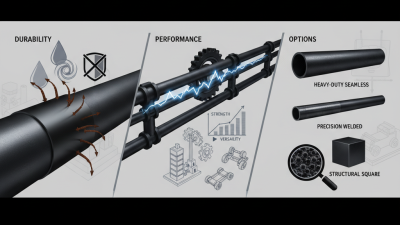
Mild Steel Tube is widely used where designers need a practical balance of strength, formability, and cost. It appears in building frames, handrails, gates, vehicle components, machinery, and agricultural equipment. Its plain, work-ready surface can be cut, drilled, and welded with common fabrication processes. That versatility makes it useful. But the right tube depends on its dimensions, grade, loading, and environment.
The scale of steel use provides helpful context. World Steel Association’s World Steel in Figures 2024 reports global crude steel production of 1,892.2 million tonnes in 2023. This figure covers steel overall, not mild steel tube alone, so it should not be mistaken for tube-market data. For structural applications, ASTM A500/A500M specifies requirements for cold-formed welded and seamless carbon steel tubing in round, square, and rectangular shapes. That distinction matters. “Mild steel” describes a broad material category, not a complete specification or a guarantee of suitability. A tube exposed to moisture may need coating or other corrosion protection; a load-bearing frame needs proper design and verified material properties. Even familiar uses can be misjudged. This guide explains what Mild Steel Tube is commonly used for, why its properties suit those jobs, and what buyers should check before selecting it.
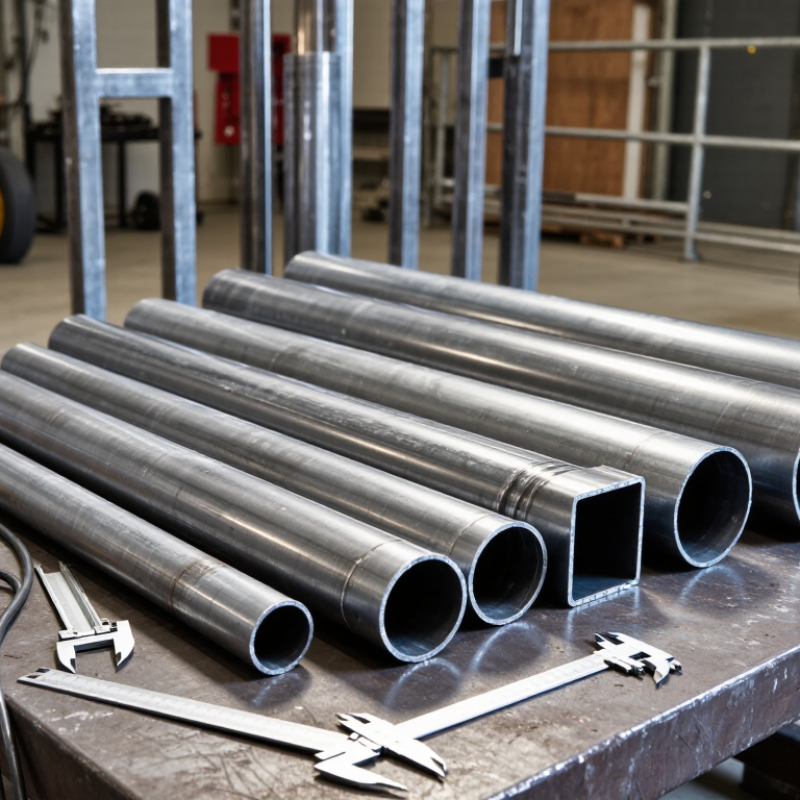
What Is Mild Steel Tube Used For?
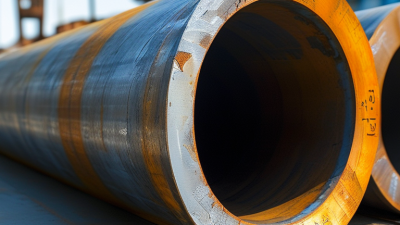
Mild steel tube usually contains about 0.05–0.25% carbon by mass. This range keeps the material relatively ductile, workable, and easy to weld. Carbon content is important, but it does not tell the whole story. Wall thickness, steel grade, manufacturing method, and surface protection also affect performance.
According to World Steel Association’s World Steel in Figures 2024, global crude steel production reached about 1.89 billion tonnes in 2023. That scale supports steel’s continued use in construction, transport, machinery, and infrastructure. Mild steel tube appears in handrails, storage racks, vehicle frames, farm equipment, scaffolding, and light structural supports. A 40-millimetre square tube can form a rigid frame while remaining practical to cut and weld on site.
It is commonly used for indoor structures and general fabrication. It can also carry air, water, or other fluids when the specification and coating are suitable. Bare mild steel rusts quickly in damp or salty conditions. That limitation matters. The International Organization for Standardization’s ISO 12944 corrosion guidance shows that environmental exposure should influence protective coating selection. A painted tube may work well indoors, yet fail early beside a coastline. Engineers should check carbon range, yield strength, wall tolerance, weld quality, and corrosion protection together. Mild steel is forgiving, but not careless-proof.
| Application | Common tube form | Why it is used | Practical considerations |
|---|---|---|---|
| Building frames and supports | Square or rectangular hollow sections; round tube for some braces | Provides structural support with material distributed around a hollow cross-section, reducing weight compared with a solid section of similar outside dimensions. | Choose section size, wall thickness, and steel grade for the design loads. Structural use should follow applicable building codes and engineering requirements. |
| Furniture and shelving | Round, square, or rectangular tube | Offers a practical combination of strength, relatively low weight, and ease of cutting, drilling, and welding. | Edges and welds may need finishing. Coatings or paint help protect indoor or outdoor furniture from corrosion. |
| Vehicle and equipment frames | Round or shaped tube, selected for the component design | Can be fabricated into brackets, frames, guards, and other supporting components. | Automotive and machinery components require suitable grades, dimensions, joining methods, and fatigue assessment for their specific loads. |
| Agricultural gates, fences, and handling equipment | Round, square, or rectangular tube | Is readily fabricated into posts, rails, frames, and protective structures. | Exposure to moisture, soil, and chemicals can cause rust; galvanizing or an appropriate coating may be needed. |
| Machine guards and workshop structures | Square or rectangular tube for frames; round tube for rails and handles | Can be cut and joined into rigid supports, stands, enclosures, and protective barriers. | Design guards to meet relevant safety requirements, and ensure openings and clearances do not create hazards. |
| Conduit-like or general mechanical uses | Round tube | Provides a hollow route or enclosure for certain mechanical applications where the product specification is suitable. | Mild steel tube is not automatically suitable for electrical conduit, pressurized service, or potable-water systems. Verify the required standard and service rating. |
| Decorative and architectural details | Round, square, or rectangular tube | Its straight profiles can be incorporated into railings, screens, trim, and display structures. | Specify a corrosion-resistant finish for the environment, and protect cut ends and joints where necessary. |
| Material characteristics | Varies by grade, manufacturing method, and dimensions | Mild steel is generally formable and weldable; steel has a density of approximately 7,850 kg/m³ and an elastic modulus of about 200 GPa. | These are general reference values, not guaranteed product properties. Check the mill certificate or applicable product standard for grade-specific data. |
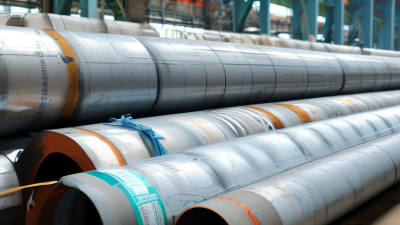
Mild steel tube is widely used for structural framing because it combines predictable strength with practical fabrication. ASTM A500 Grade B tube provides a minimum yield strength of 46 ksi, making it suitable for many building and industrial frames. Engineers commonly specify it for columns, beams, bracing, equipment supports, and pedestrian structures.
Strength is not the whole design.
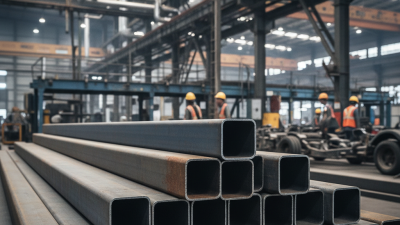
Square and rectangular tubes create clean connections in wall frames, mezzanines, canopies, and platform supports. Their closed sections resist twisting better than many open shapes. A fabricator can cut, drill, weld, and fit them with familiar shop equipment. On a busy project, that consistency can reduce alignment problems and installation time. Still, every connection needs review. A strong tube can perform poorly when welds, bolts, or gusset plates are undersized.
The 46 ksi yield value must be checked against the actual specification edition and material test report. Wall thickness matters too. Mill tolerances, local buckling, unsupported length, and corrosion can reduce usable capacity. Protective coatings may be necessary in damp or exposed locations. Field measurements also deserve attention; small fit-up errors can shift load paths and create unexpected stress. I have seen framing plans look correct on paper but require changes after site conditions were measured. That is not a failure of the tube. It shows why qualified engineers, documented inspections, and verified dimensions remain essential.
Structural framing is a common application for mild steel tube. ASTM A500 Grade B structural tubing has a minimum yield strength of 46 ksi, making it suitable for frames, supports, columns, rails, and trusses when properly engineered.
Minimum specified yield strength comparison. Actual design capacity depends on section size, wall thickness, connections, loading, and applicable building codes.
What Is Mild Steel Tube Used For?
Building Uses: Columns, Handrails, Frames, Fences, and Scaffolding
Mild steel tube is widely used in building work because it combines strength, weldability, and manageable cost. Its hollow shape provides useful load capacity without the weight of a solid bar. In columns, engineers may use square or rectangular tubes for posts, supports, and small structural frames. Wall thickness and section size must match the expected load. Guesswork is unsafe.
Handrails and guardrail frames often use round tube because it feels comfortable in the hand. Fabricators can cut, bend, and weld it into clean stairway systems or platform barriers. Smooth welds matter here. Sharp edges can cause injuries, especially around busy entrances and workshops.
Mild steel tube also forms door frames, equipment supports, gates, and perimeter fences. A fence frame can remain rigid through wind and repeated handling when its joints are properly braced. However, untreated steel rusts quickly in damp air. Painting, galvanizing, or another suitable coating helps protect exposed surfaces. Tube ends need attention too. Water trapped inside can create hidden corrosion.
Scaffolding is another important use, but safety depends on more than strong steel. Correct tube diameter, couplers, bracing, base support, and inspection all matter. Local construction rules should guide the design and installation. In practice, small defects are easy to overlook. A bent tube or weak joint may look harmless, yet it can reduce stability. Mild steel tube is practical, not perfect.
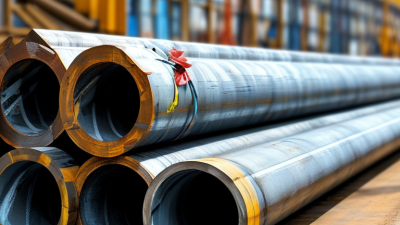
Mild steel tube is widely used for conveying air, water, and other low-pressure fluids. Its balanced strength, weldability, and moderate cost suit many industrial systems. In workshops, tubes may carry compressed air to tools, wash water to production areas, or cooling water between equipment. Their smooth internal surface can support steady flow when the correct diameter is selected.
Engineers often use these tubes in utility lines, pump connections, irrigation assemblies, and temporary process piping. A welded joint can provide a strong, practical connection when technicians prepare the surfaces carefully. Supports should be spaced properly to prevent sagging, vibration, and stress near valves. Small details matter here. A poorly aligned pipe can create leaks months later.
Mild steel needs protection when moisture or chemicals are present. Painting, coating, or controlled indoor installation can slow corrosion, but none is permanent. I have seen apparently sound tubing weaken from hidden rust beneath insulation. That risk is easy to underestimate. Designers should check fluid temperature, pressure, wall thickness, and corrosion allowance before installation. Pressure ratings must match applicable codes and site requirements. Mild steel is not always the best choice for clean water or aggressive fluids. Stainless steel, plastic, or coated tubing may perform better in those conditions. Regular inspection should include supports, welds, threaded connections, and low points where water can collect. Even low-pressure service deserves disciplined maintenance.
Mild steel tube is used for frames, handrails, vehicle components, and fluid lines, but the right choice depends on the job. Start with diameter: a larger outside diameter can improve bending resistance, while also adding weight and taking up space. Wall thickness matters too. Thin walls suit light frames; thicker walls can better resist dents and local loads. Do not size by appearance alone. Check the load, support spacing, and connection details.
Grade affects strength and forming behavior. ASTM A500/A500M, a structural tubing specification, sets Grade C minimum yield strengths of 50 ksi for square or rectangular sections and 46 ksi for round sections. Those figures are useful, not a design approval; confirm the applicable product certificate and engineering requirements. Welding needs similar care. Match the procedure and filler to the grade and thickness, and inspect fit-up before welding. Small gaps can cause trouble. For corrosion control, consider exposure, drainage, and coating access. ISO 9223 classifies atmospheric corrosivity, helping engineers assess site conditions; a sheltered indoor tube and a damp outdoor tube may need different protection. This is easy to overlook. A coating cannot compensate for water trapped inside a poorly detailed section.