How to Source Mild Steel Tube for Your Construction Projects?
When embarking on construction projects, selecting the right materials is crucial. Mild steel tube is a preferred choice among engineers and builders due to its strength and versatility. According to a report by the Steel Construction Institute, the global mild steel market is projected to grow significantly, driven by increasing construction and infrastructure projects.
Expert in the field, Dr. Emily Carter, emphasizes, "Mild steel tube combines durability with cost-effectiveness, making it ideal for various applications." However, sourcing quality mild steel tubes can be challenging. Variability in suppliers creates inconsistencies in material quality. It is essential to research reputable suppliers and understand their production processes.
Building with mild steel tube offers many benefits. Its lightweight nature allows for easier handling and transportation. Additionally, the tubes can be easily welded and shaped for custom applications. Still, one must remain vigilant. Not all suppliers adhere to the same quality standards. Inconsistencies can affect structural integrity and overall project success.
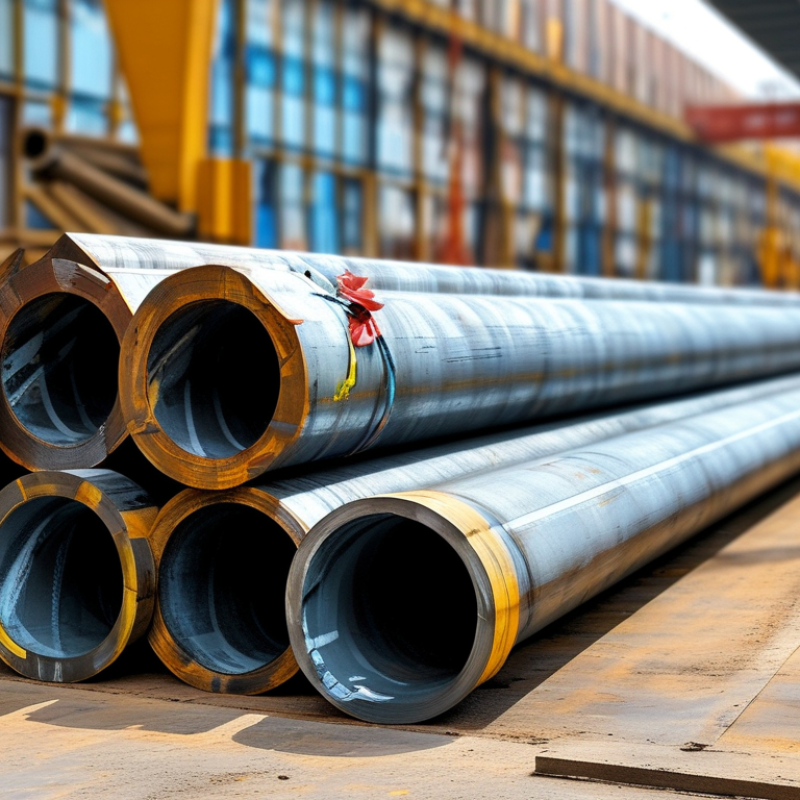
Understanding Mild Steel Tube: Properties and Benefits
Mild steel tube is a versatile material used in many construction projects. Its properties make it highly sought after. It offers a balance between strength and ductility. This means it can withstand heavy loads while still being easy to work with. The malleability of mild steel allows for various shapes and dimensions. This versatility makes it ideal for structural components and frames.
One of the key benefits of using mild steel tube is its cost-effectiveness. It is generally more affordable than other metals, such as stainless steel. This can significantly reduce the overall budget for construction projects. Additionally, mild steel has excellent weldability. This allows for seamless integration in construction without compromising structural integrity. However, its susceptibility to corrosion requires protective coatings for outdoor applications.
When sourcing mild steel tube, it’s essential to evaluate suppliers carefully. You’ll want to ensure they uphold industry standards. Not all steel tubes are created equal. Some might bend or warp under stress. Research is crucial before committing to a supplier. Consider quality certifications and customer reviews. You want reliable materials for a successful project.
Identifying Your Construction Needs for Mild Steel Tube
When sourcing mild steel tubes for construction, it's crucial to clearly identify your project's needs. Consider the specifications for strength and durability. Assess how the tube will be used—will it bear heavy loads or serve as decorative elements? Each application requires different dimensions.
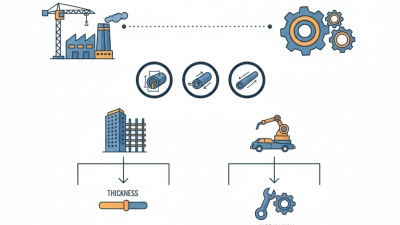
Take time to evaluate both the size and the thickness of the tubes. A thicker tube might provide more strength but could also be heavier and more expensive. Balancing cost with quality is essential. The right choice can influence your project's overall performance.
Tip: Always consult with engineers or experienced professionals. They offer insights that can prevent costly mistakes. Also, consider sourcing from multiple suppliers. This allows you to compare quality and pricing. Verify the certifications of the materials to ensure they meet safety standards. It’s vital for long-term project success.
Finding Reliable Suppliers for Mild Steel Tube
When sourcing mild steel tubes for construction, finding reliable suppliers is crucial. Start by researching local and online suppliers. Look for companies with a solid reputation in the industry. Customer reviews can offer insights into their reliability and quality. Choosing local suppliers can also reduce shipping times and costs.
Networking within the construction industry can help you connect with recommended suppliers. Attend trade shows and industry conferences. Engage with professionals who have previous experience. Ask about their sources for mild steel and any challenges they've faced. It’s vital to compare different suppliers. This ensures you are getting the best quality at a fair price.
Consider visiting suppliers' facilities if possible. This allows you to assess their operations firsthand. Inquire about their production process and quality control measures. Some suppliers may cut corners. Be cautious of those who cannot provide transparency. A reliable supplier should have no issue sharing information. Open communication is a sign of trust.
Evaluating Quality Standards for Mild Steel Tube
When sourcing mild steel tubes for construction, quality standards are paramount. The American Society for Testing and Materials (ASTM) sets clear guidelines for tube manufacturing. Their standards, such as ASTM A500, classify mild steel tubes based on their mechanical properties. This ensures that the material can withstand the pressures and stresses of construction safely.
One key aspect to evaluate is the tensile strength, which varies significantly between manufacturers. According to a recent industry report, mild steel should ideally have a tensile strength of at least 55,000 psi. Inspecting certifications can be invaluable. A reputable supplier should provide evidence of compliance with recognized standards. This fosters trust and reduces risks on your construction site.
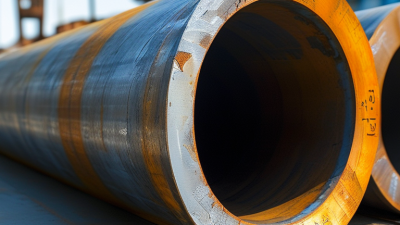
Another consideration is the corrosion resistance of mild steel. It is advisable to examine the coating techniques employed. Hot-dip galvanizing can enhance durability, making tubes last longer in harsh environments. Inadequate corrosion protection may lead to premature failure. Thus, careful selection based on these quality criteria is essential for successful project outcomes.
How to Source Mild Steel Tube for Your Construction Projects? - Evaluating Quality Standards for Mild Steel Tube
| Dimension (mm) |
Wall Thickness (mm) |
Weight (kg/m) |
Grade |
Quality Standard |
| 20 x 20 |
2.5 |
1.23 |
S235 |
EN 10025-2 |
| 25 x 25 |
3.0 |
1.58 |
S235 |
EN 10025-2 |
| 30 x 30 |
3.5 |
1.83 |
S275 |
EN 10025-2 |
| 40 x 40 |
4.0 |
2.43 |
S275 |
EN 10025-2 |
| 50 x 50 |
5.0 |
3.06 |
S355 |
EN 10025-2 |
Cost Considerations and Budgeting for Mild Steel Tube采购
When budgeting for mild steel tubes in construction projects, it's crucial to consider various cost factors. According to the latest industry reports, the average price of mild steel tube ranges from $500 to $800 per ton. However, prices can fluctuate based on market demand and supply chain conditions. Monitoring these trends helps in making informed purchasing decisions.
Labor costs also play a significant role. Estimates suggest that fabrication and installation labor can add another 15-20% to the total cost. This highlights the importance of accurate budgeting. Take time to analyze labor efficiency and project timelines to avoid over-expenditure.
Shipping and handling costs should not be overlooked. Depending on the supplier's location, transportation can lead to unexpected expenses. A detailed cost analysis often reveals some hidden charges. Becoming aware of these can prevent budget overruns. Therefore, an effective budgeting strategy integrates flexible planning and proactive management of resources.