Top 10 Benefits of Using Mild Steel Tubes for Your Projects?
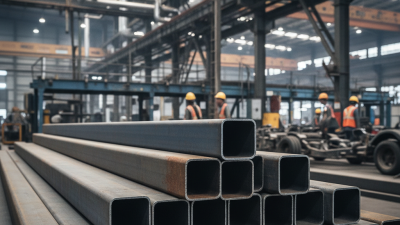
Mild Steel Tube has emerged as a popular choice for various projects due to its exceptional properties and benefits. According to industry reports, the demand for mild steel products is projected to grow at a compound annual growth rate (CAGR) of 4.5% over the next five years. This growth indicates a rising recognition of mild steel tubes in sectors such as construction, automotive, and manufacturing.
One major advantage of using Mild Steel Tube is its excellent strength-to-weight ratio. This allows for sturdy constructions without excessive weight. Additionally, mild steel tubes are more cost-effective when compared to other materials like stainless steel or aluminum. However, it is crucial to note that while mild steel is durable, it can be susceptible to corrosion without proper coating.
Moreover, the versatility of Mild Steel Tube opens up a myriad of possibilities for engineers and designers. It can be easily molded into various shapes and sizes to meet project specifications. Nonetheless, some may overlook the importance of quality sourcing. It is essential to ensure that the tubes meet industry standards to avoid future structural challenges.
Benefits of Mild Steel Tubes in Construction Projects
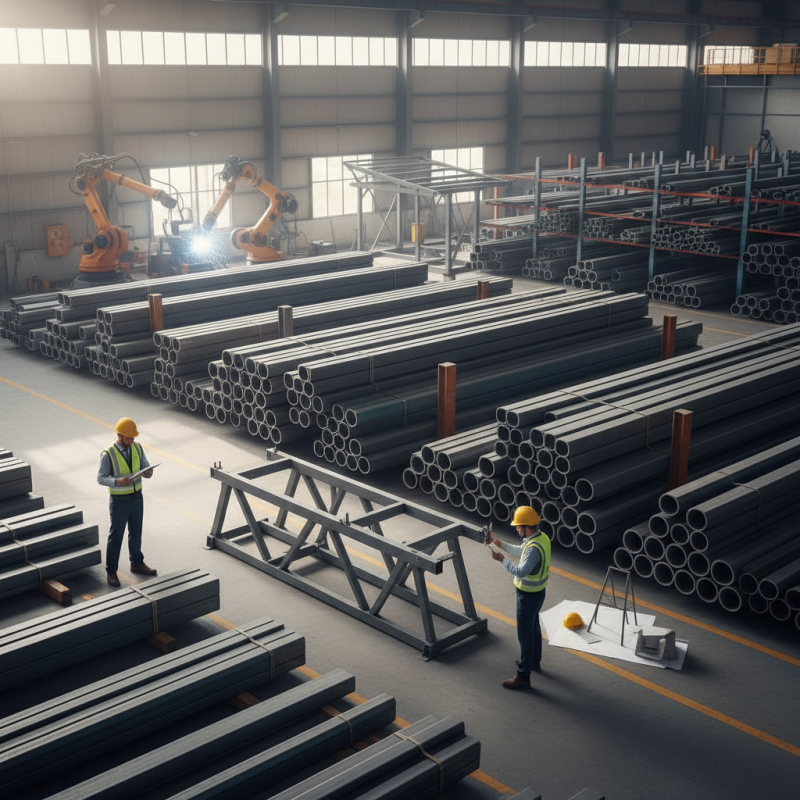
Mild steel tubes are widely used in construction projects due to their numerous benefits. One of the key advantages is their strength. According to the American Institute of Steel Construction, mild steel has high tensile strength, making it suitable for structural applications. This strength ensures that structures can withstand heavy loads without compromising safety.
Cost-effectiveness is another benefit of using mild steel tubes. They are generally cheaper than other materials such as stainless steel or aluminum. A study by the World Steel Association noted that mild steel accounts for nearly 90% of the steel usage in construction, highlighting its widespread appeal. Furthermore, their availability in various sizes and shapes offers flexibility for project designs.
**Tip:** When selecting mild steel tubes, consider their corrosion resistance. Applying a protective coating can enhance their lifespan, especially in harsh environments.
While mild steel tubes are robust, they can be susceptible to rust. Regular inspections and maintenance are essential to prevent deterioration. A well-maintained structure using mild steel can provide long-term value.
**Tip:** Always compare quotes from different suppliers. This practice can lead to significant cost savings while ensuring quality.
Ultimately, mild steel tubes present a reliable option for construction projects. Their balance of strength, cost, and versatility makes them a favored choice among contractors.
Top 10 Benefits of Using Mild Steel Tubes for Your Projects
| Benefit |
Description |
| Cost-Effectiveness |
Mild steel tubes are generally more affordable compared to other materials, making them a budget-friendly option for construction projects. |
| Ease of Fabrication |
These tubes can be easily cut and shaped into the desired form, allowing for flexibility in design and construction. |
| High Strength |
Mild steel offers a good balance of strength and ductility, making it suitable for various structural applications. |
| Corrosion Resistance |
When coated properly, mild steel tubes can withstand corrosive environments, extending their lifespan. |
| Recyclability |
Mild steel is recyclable, contributing to sustainable building practices by reducing waste. |
| Versatility |
These tubes can be utilized in a wide range of applications, from structural beams to handrails and frames. |
| Heat Treatment |
Mild steel tubes can be heat treated to improve their hardness and strength, enhancing performance in demanding applications. |
| Weldability |
Mild steel exhibits excellent weldability, allowing for strong joints that are essential in construction. |
| Weight |
Mild steel tubes are comparatively lighter than other metal options, making handling and installation easier. |
| Availability |
Mild steel tubes are widely available in various sizes and specifications, making procurement straightforward for projects. |
Cost-Effectiveness of Mild Steel Tubes Compared to Other Materials
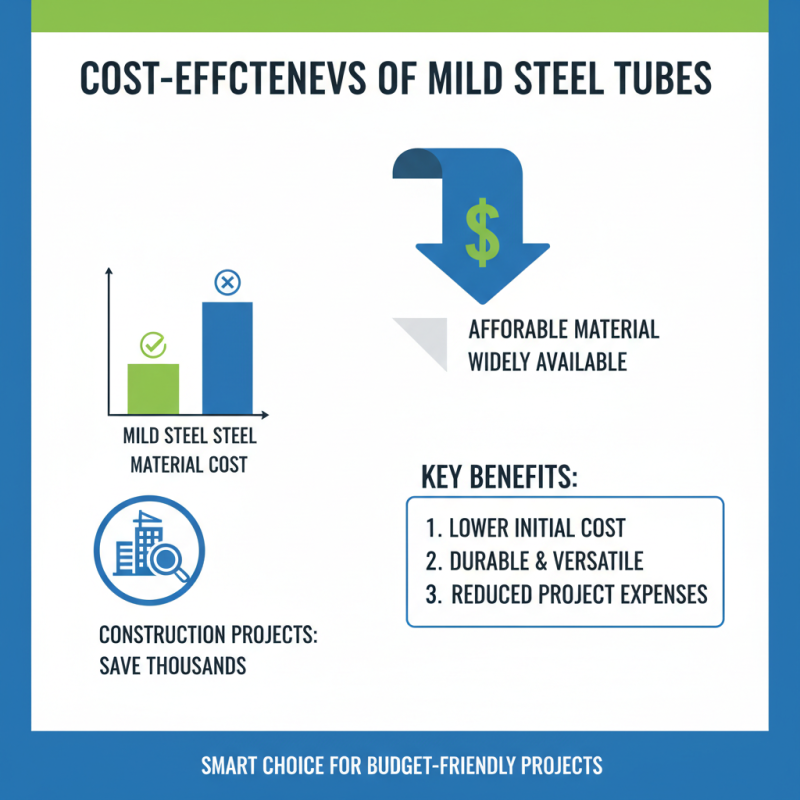
Mild steel tubes offer significant cost-effectiveness compared to other materials. They are affordable and widely available, making them ideal for various projects. For example, a construction project can save thousands by choosing mild steel tubes over more expensive options like stainless steel.
Many builders appreciate the balance of strength and cost that mild steel provides. With excellent tensile strength, these tubes can support heavy loads while remaining budget-friendly. Additionally, when considering maintenance and longevity, mild steel's durability makes it a wise choice, even if initial costs are lower elsewhere.
However, mild steel does have its limitations. It is prone to rust without proper coating or treatment. This vulnerability could lead to increased maintenance costs over time. Despite this, the upfront savings often outweigh the potential drawbacks. Evaluating the overall project budget is essential in making an informed decision.
Durability and Strength of Mild Steel Tubes for Heavy-Duty Applications
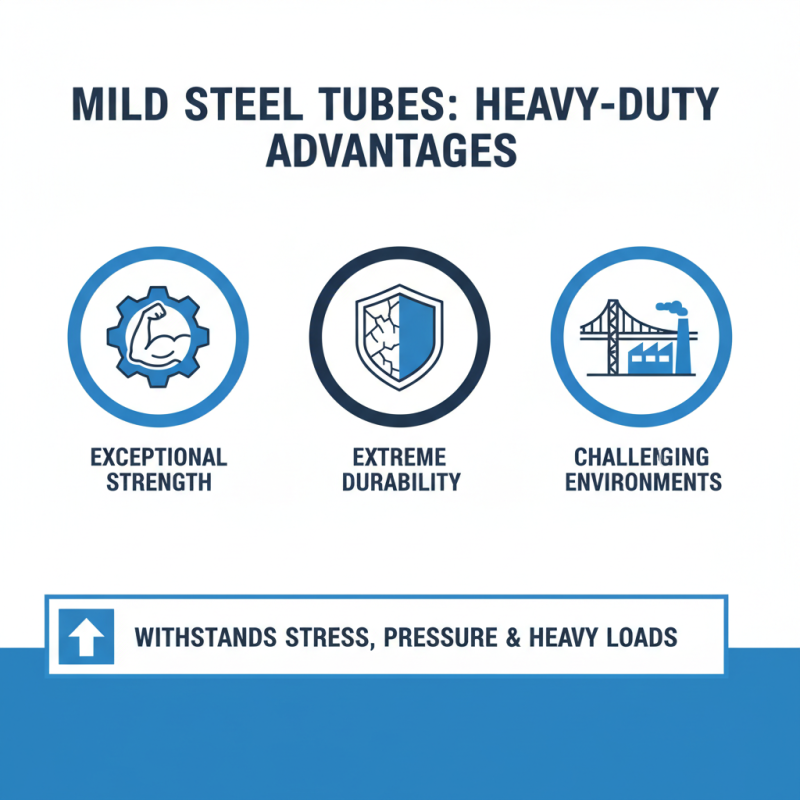
Mild steel tubes are known for their exceptional durability and strength, making them ideal for heavy-duty applications. These tubes can withstand significant stress and pressure. They perform well even in challenging environments, which is crucial for construction and manufacturing projects. Their ability to sustain heavy loads is one of the main advantages.
When selecting mild steel tubes, consider their tensile strength. This property determines how much force the material can bear without stretching or breaking. Stronger tubes will enhance the integrity of your structure. Additionally, mild steel's ductility allows for easy shaping, which is beneficial for customized projects.
**Tip:** Always test the tubes for corrosion resistance. While mild steel is strong, it can rust if not treated properly. Apply protective coatings to extend the lifespan of your tubes.
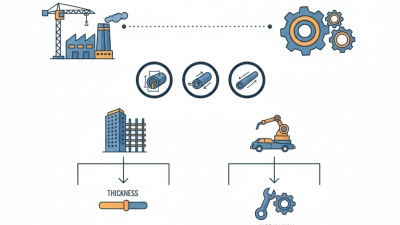
You can also choose tubes with various thicknesses based on your project needs. Thicker tubes typically offer greater strength. Reflect on your project's requirements when making your choice. A mismatch can result in structural vulnerabilities.
**Tip:** Regular maintenance can prolong the durability of your structures. Inspect for signs of wear and tear, particularly in high-stress areas.
Ease of Fabrication and Customization for Specific Project Needs
Mild steel tubes offer significant ease of fabrication for various projects. Their malleability allows for quick shaping and bending without compromising strength. This flexibility is particularly beneficial when creating custom designs. When you need to meet specific project requirements, mild steel easily adapts. Its availability in various sizes and thicknesses enables tailored solutions to diverse challenges.
Customization is crucial in any construction or manufacturing project. Mild steel tubes can be cut, welded, or formed to meet unique specifications. This adaptability reduces waste and saves time. Project managers appreciate the ability to manipulate these tubes effortlessly. However, some users may find challenges in achieving precise angles or dimensions.
While mild steel tubes are advantageous, learning to work with them effectively demands skill and practice. Builders must consider the materials and tools needed for the job. Occasionally, the finishing touches can be tricky, leading to reflections on improving techniques and processes. As projects progress, understanding the material's potential and limitations is vital. The journey of learning can enhance efficiency and outcomes in future tasks.
Corrosion Resistance and Maintenance of Mild Steel Tubes in Various Environments
Mild steel tubes are widely appreciated for their corrosion resistance, especially in various environments. They can withstand moderate exposure to moisture and weather elements. However, they are not completely immune to rust. A study by the American Institute of Steel Construction notes that proactive measures, such as proper coating or galvanization, significantly enhance their lifespan.
In coastal areas, salt and humidity can accelerate corrosion. According to the International Corrosion Council, up to 40% of premature pipe failures in mild steel arise from environmental factors. Regular maintenance checks should be emphasized, especially in high-risk zones. Simple tasks like inspection and touch-up painting can vastly improve their durability.
Despite their benefits, users must remain vigilant. Even minor scratches can expose steel to corrosion. A report from the Corrosion Protection Association suggests that the cost of ignoring maintenance can reach up to 15% of the total project budget. Thus, while mild steel tubes present a solid choice, proper care and environmental awareness are essential for maximizing their effectiveness.
Top 10 Benefits of Using Mild Steel Tubes