Spiral Pipe Manufacturing in China Trends and Innovations?
As the spiral pipe industry evolves, innovations and trends shape its future. According to Dr. Emily Wang, a leading expert in the field, "The advancements in spiral pipe technology are remarkable, pushing us toward greater efficiency and sustainability." This highlights the significance of technological evolution in a highly competitive market.
China's spiral pipe manufacturing stands at the forefront of these changes. Traditional methods are being replaced by advanced techniques, increasing production quality and speed. Factories are adopting automated processes, improving reliability while reducing waste. Additionally, the shift towards environmentally friendly materials reflects a growing commitment to sustainability in the industry.
However, challenges persist. The industry must address skill gaps and the need for training. Ensuring that workers are equipped with the latest knowledge is essential for maximizing these innovations. As competition intensifies, companies must balance speed with quality. The path ahead is complex, but the potential for growth in the spiral pipe sector remains vast.
Current Market Landscape of Spiral Pipe Manufacturing in China
The spiral pipe manufacturing industry in China is currently experiencing significant growth. According to a recent report by Research and Markets, the market is expected to expand at a compound annual growth rate (CAGR) of approximately 5.2% from 2023 to 2030. This rise is driven by increasing demand in sectors such as construction, oil, and gas. Notably, the advancements in manufacturing technologies have allowed for improved efficiency and precision in production processes.
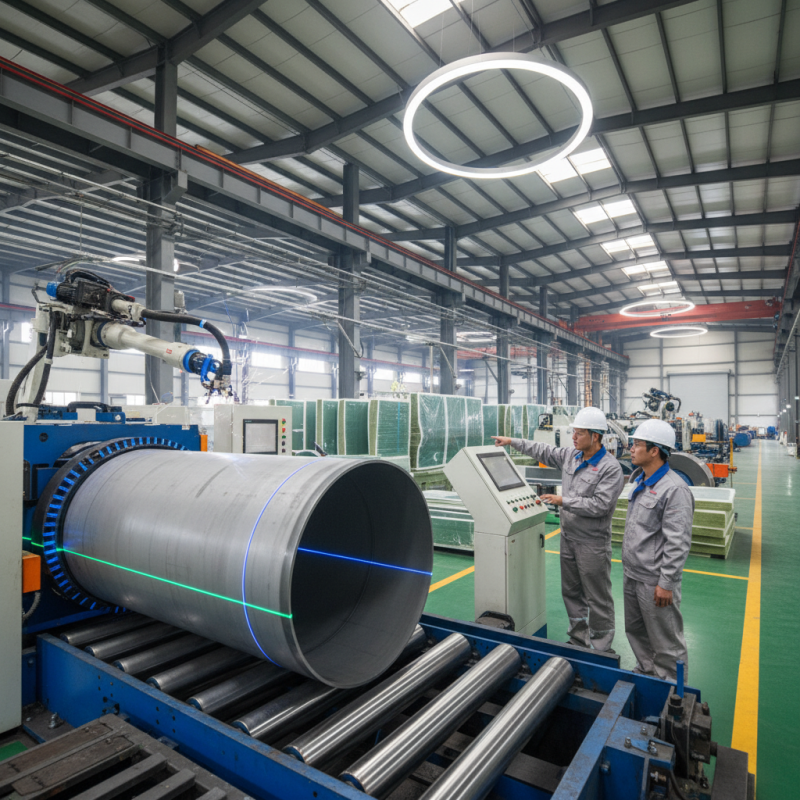
Investment in automation has been a key trend. Many companies are integrating advanced robotics in their production lines. This helps to reduce labor costs and improve safety. Innovations such as computer numerical control (CNC) machines are optimizing quality control. Despite this progress, the industry faces challenges. The high costs associated with new technology adoption can be a barrier for smaller manufacturers. Moreover, varying regional regulations can complicate operations and lead to inconsistencies in product quality.
Moreover, sustainability has become a focal point for manufacturers. The introduction of eco-friendly materials is gaining momentum. Reports indicate that up to 30% of manufacturers are exploring the use of recycled materials. However, the implementation of sustainable practices often meets with logistical hurdles. Despite efforts to reduce environmental impact, many companies still struggle with waste management. This ongoing transformation highlights both the potential and obstacles within China’s spiral pipe manufacturing landscape.
Current Market Landscape of Spiral Pipe Manufacturing in China
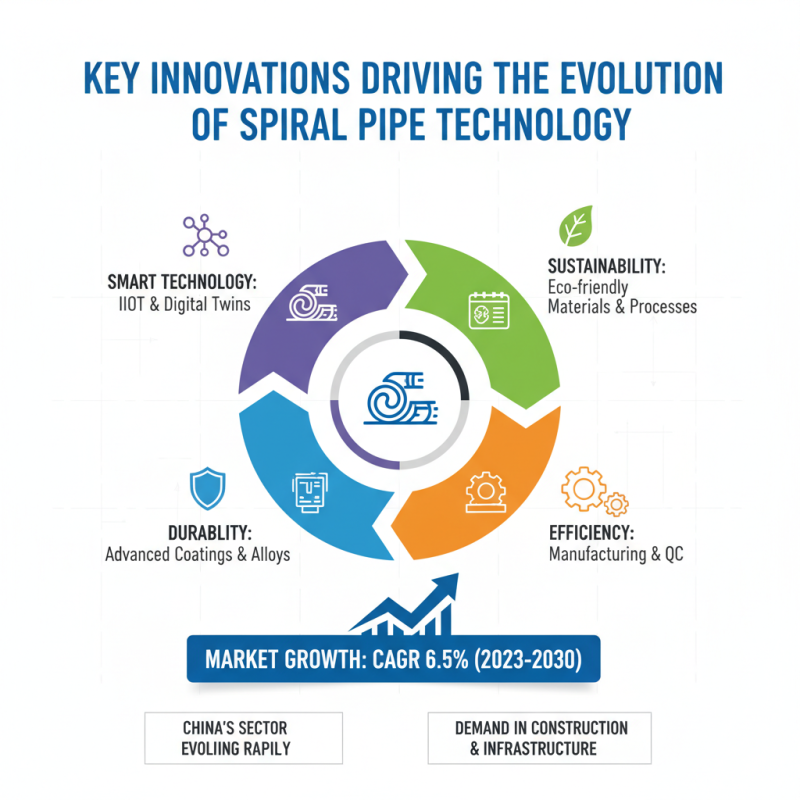
Key Innovations Driving the Evolution of Spiral Pipe Technology
The spiral pipe manufacturing sector in China is rapidly evolving. Innovations are crucial in improving efficiency and sustainability. Recent reports indicate that the market for spiral pipes is expected to grow at a CAGR of 6.5% from 2023 to 2030. This growth reflects the increased demand for high-quality, durable pipes in construction and infrastructure.
Key innovations include advancements in welding technology. High-frequency induction welding techniques are gaining traction. These methods enhance the quality and strength of the welds, reducing the likelihood of failures. Moreover, automation in manufacturing processes is on the rise. This shift not only increases production speed but also maintains consistency in quality. While these technologies show promise, the integration process has faced challenges. Companies often struggle with initial implementation costs and training.
Another area of focus is the material used in spiral pipe production. The introduction of composite materials is noteworthy. These materials offer lightweight alternatives without compromising strength. However, widespread adoption is still a question; materials need to balance cost and performance effectively. Industry reports mention that about 30% of companies are investing in research for alternative materials. This exploration reflects the industry's commitment to innovation, even as discussions about the feasibility of changes continue.
Environmental Considerations in Spiral Pipe Production Processes
Environmental considerations are becoming essential in the spiral pipe manufacturing industry in China. Producers are now exploring sustainable practices. This shift aims to reduce the carbon footprint associated with production. One innovation includes the use of advanced filtration systems. These systems help filter pollutants, minimizing emissions during production.
Efforts are also being made to recycle water used in cooling and cleaning processes. This not only conserves water but also lowers operational costs. However, not all manufacturers prioritize these changes. Some companies still rely on outdated methods that harm the environment. The challenge lies in balancing cost efficiency with ecological responsibility. Increased regulation may push more manufacturers to adopt greener practices.
Adopting innovative technologies in production can lead to better environmental outcomes. However, there’s a learning curve involved. Workers must be trained in new techniques and machinery. This can take time and resources that not all companies are willing to invest. A push toward sustainability needs commitment from all stakeholders. Without this commitment, progress will remain uneven.
Emerging Trends in Material Selection for Spiral Pipes
The material selection for spiral pipes in China is experiencing significant evolution. Traditionally, carbon steel was the go-to material. However, innovations are pointing towards alternatives like high-strength alloys and composite materials. These modern choices offer enhanced strength and durability.
This shift stems from increasing demands for sustainability and efficiency. Companies are exploring lightweight materials that reduce transportation costs. Moreover, corrosion-resistant options are gaining traction, ensuring longevity in harsh environments. These materials often require refined manufacturing processes, which can be challenging.
Emerging trends also raise questions about performance versus cost. Some new materials may come with higher initial investment. Still, their long-term benefits could justify the expense. It’s crucial for manufacturers to weigh these factors carefully. The future of spiral pipes in China is not only about innovations but also about finding the right balance in material selection.
Spiral Pipe Manufacturing in China Trends and Innovations
| Material Type |
Description |
Trends |
Applications |
| Carbon Steel |
Commonly used for its high strength and affordable cost. |
Increased focus on corrosion resistance treatments. |
Oil and gas transportation. |
| Stainless Steel |
Known for its corrosion resistance and durability. |
Emerging trend towards using recycled materials. |
Water treatment facilities and food industries. |
| PVC |
Lightweight and resistant to chemicals. |
Growing innovation in hybrid materials. |
Drainage systems and plumbing. |
| HDPE |
High-density polyethylene known for impact resistance. |
Increase in use for environmental sustainability. |
Utility pipeline applications. |
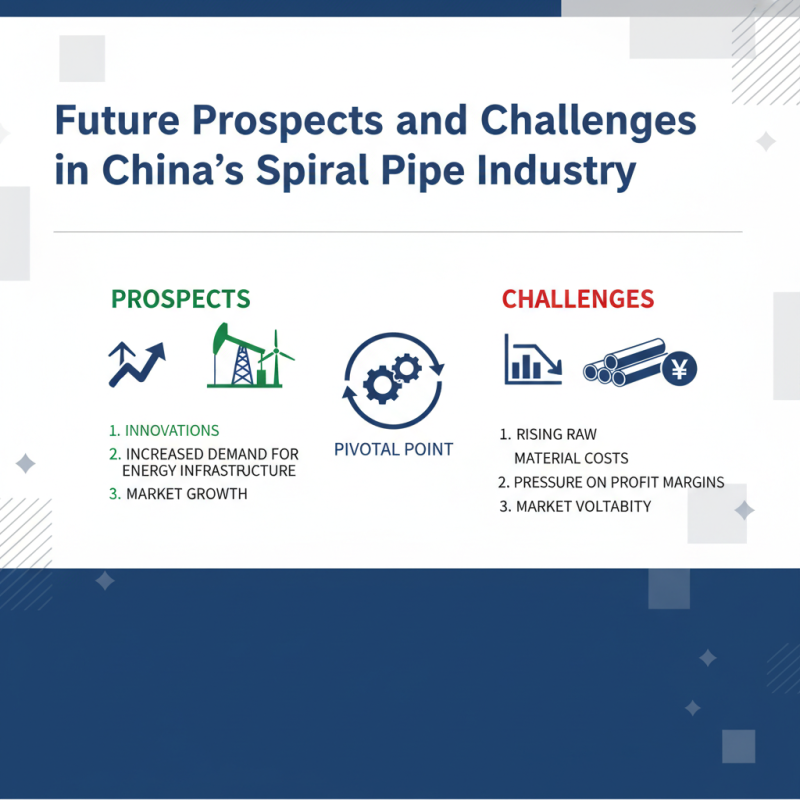
Future Prospects and Challenges in China's Spiral Pipe Industry
The spiral pipe industry in China is at a pivotal point. Innovations are emerging, but challenges abound. Increased demand for energy infrastructure drives growth. However, the market faces pressure from rising raw material costs. This affects profit margins for manufacturers.
Environmental regulations are becoming stricter. Companies must adopt sustainable practices. Many are investing in new technologies to reduce emissions. Yet, the transition can be costly and complex. Some firms struggle to keep up with these changes.
Quality control remains a significant concern. As production scales up, maintaining standards is tricky. There are reports of inconsistent product quality. This not only impacts credibility but also customer trust. The need for skilled labor is critical too, yet attracting talent proves difficult. Navigating these obstacles will shape the future of China's spiral pipe industry.