Finding the best Mild Steel Tube supplier in China requires more than comparing factory prices. Global buyers need consistent dimensions, traceable materials, and dependable export support. A tube may look perfect on arrival, yet fail during welding or pressure testing. That risk deserves attention.
Edwin Basson, Director General of worldsteel, has described steel as “a critical enabler of the energy transition.” His point also applies to everyday infrastructure. Mild steel tube supports handrails, frames, agricultural equipment, scaffolding, and fluid systems. The right supplier should understand these different demands. It should confirm outside diameter, wall thickness, grade, length tolerance, and surface finish before production. ASTM, EN, DIN, and GB requirements may not match. Small misunderstandings can become expensive delays.
Experience matters here. A dependable Chinese manufacturer should provide mill test certificates, chemical composition data, mechanical results, and inspection records. Buyers should also review welding quality, end protection, bundle labeling, and container loading photographs. A clear sample process helps. So does a realistic lead time. Some suppliers promise everything. That promise may be the weakness.
This guide examines how global buyers can assess China’s Mild Steel Tube suppliers with practical evidence. It considers production capability, quality control, certifications, communication, packaging, and after-sales responsibility. Pricing remains important, but it should not control the decision alone. A lower quotation can hide thinner walls, incomplete testing, or inconsistent batches. No supplier is perfect. Careful verification still gives buyers a stronger, more reliable starting point.
A suitable mild steel tube supplier must offer more than a low quotation. The World Steel Association reported 1,888.2 million tonnes of crude steel production in 2023. This scale creates choice, but also creates quality differences.
Global buyers should request heat numbers, chemical composition, yield strength, tensile strength, and dimensional inspection records. These documents connect each tube bundle to a measurable production history.
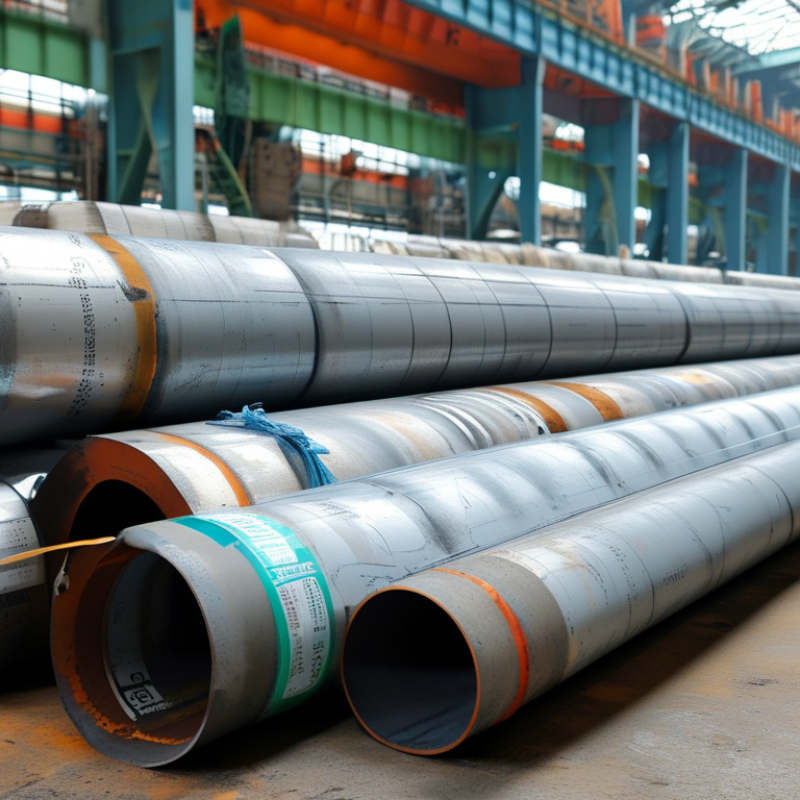
Practical reliability appears before shipment. Experienced suppliers protect tubes from rain, separate sizes clearly, and use steel straps with moisture-resistant wrapping. Each bundle should carry readable marks for grade, outside diameter, wall thickness, quantity, and destination.
ISO 9001:2015 certification can support process control, but it cannot replace independent inspection. A third-party check should verify wall thickness, ovality, weld condition, and loading procedures against the purchase specification.
Communication matters too. A suitable supplier understands ASTM, EN, and other requested standards without mixing their requirements. It should provide realistic mill schedules and explain changes early. Hidden tolerance issues often become expensive after arrival.
A cheaper offer may be a warning sign. No supplier is perfect, and buyers should still review recent test reports, packaging photographs, and complaint records. The strongest partnership is built on traceability, honest limits, and repeatable results—not polished promises.
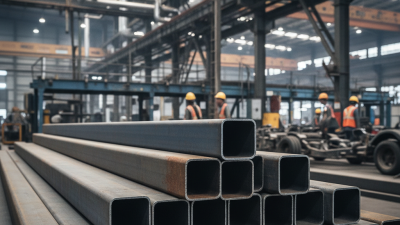
For global buyers, choosing a mild steel tube supplier starts with understanding tube type, not price alone. Electric resistance welded (ERW) tubes suit many structural and general-purpose projects. Seamless tubes offer better consistency for demanding pressure and mechanical uses. Galvanized tubes add zinc protection for outdoor frames, fences, water-support structures, and agricultural equipment.
Common grades include ASTM A500 for structural hollow sections and ASTM A53 for general mechanical or pressure-related service. European projects may specify S235 or S275 under EN standards. These grades are not interchangeable in every application. Wall thickness, outside diameter, yield strength, and welding requirements must match the design drawings. Small differences matter.
Ask the supplier for mill certificates, dimensional inspection reports, and coating measurements when protection is required. Check tube length, ovality, weld appearance, and packing before shipment. A clear inspection plan reduces unpleasant surprises at the destination. It sounds basic.
Applications range from warehouse columns and handrails to trailer frames, greenhouse supports, and furniture components. Thin-wall tubes can reduce weight, but they may deform during cutting or welding. Heavy-wall sections provide strength, yet they increase transport and fabrication costs. I have seen buyers focus too closely on the quoted ton price. That approach can miss cutting loss, coating repairs, and replacement risk. A reliable supplier should explain these trade-offs plainly and provide samples or trial batches when specifications remain uncertain.
International mild steel tube supply depends on measurable quality, not attractive pricing alone. Buyers should confirm the required standard, outside diameter, wall thickness, length tolerance, and steel grade before production. Chemical composition must match the approved specification. Mechanical tests should verify yield strength, tensile strength, and elongation. Welded tubes also need consistent seam quality and controlled heat input. Small dimensional errors can cause serious installation delays.
Traceability matters. Each bundle should connect to heat numbers, inspection records, and a material test certificate. Surface condition deserves attention too. Look for rust, laminations, dents, uneven welds, and poor end preparation. Independent inspection can check sampling, dimensions, marking, packing, and loading conditions. Still, a certificate alone proves little. Documents can be complete while handling remains careless. This is an uncomfortable point, but buyers should review the whole process.
Tips: Request pre-production samples and a clear inspection plan. Compare test results with the purchase specification, not only the supplier’s brochure. Ask how tubes are protected during ocean transport. Moisture inside weak packaging can leave brown stains before arrival. Confirm whether testing follows the agreed international standard. Also, leave room for questions. A rigid checklist may miss a practical risk, especially when tube use, climate, or fabrication methods differ.
China Best Mild Steel Tube Supplier for Global Buyers?
How to Evaluate a Supplier’s Production, Testing, and Export Capabilities
Choosing a mild steel tube supplier requires more than comparing prices. During supplier evaluations, I inspect production records, not only polished factory photographs. A capable mill should explain its forming process, welding method, heat treatment, and size range clearly. Ask to see recent production samples. Check tube roundness, wall thickness, surface condition, and cut-end quality. Small details matter.
Testing evidence should be specific and traceable. Request mill test certificates linked to heat numbers and batch records. Reliable suppliers can provide tensile, yield, elongation, chemical composition, and hydrostatic or non-destructive test results when required. Testing should match the agreed specification, not a convenient template. I also compare certificate data with independent inspection reports when the order is large. One weakness remains common: some suppliers describe laboratory equipment well but explain calibration dates poorly.
Export capability is equally practical. Review packing methods for sea transport, moisture protection, bundle labeling, and loading photographs. Confirm whether the supplier prepares commercial invoices, packing lists, certificates of origin, and accurate shipping marks. Delivery terms, port experience, and communication during delays deserve written confirmation. I prefer a small trial order before long-term cooperation. It reveals production consistency, document accuracy, and response speed. A low quotation may hide weak packaging or repeated corrections. That is easy to miss.
For global buyers, the best mild steel tube supplier is not simply the lowest-priced factory. Pricing should show steel grade, outside diameter, wall thickness, length tolerance, coating, packing, and export terms. Request a firm quotation with validity dates, because steel input costs can change before production starts. The World Bank’s 2023 Logistics Performance Index covered 139 economies and 4,090 trade professionals. Its findings highlight customs, shipment tracking, and delivery reliability as major trade factors.
Ask for mill test certificates, chemical analysis, mechanical results, and inspection records. EN 10204 3.1 documentation can support traceability, but independent pre-shipment inspection remains valuable. Check bundle labels, heat numbers, tube counts, and moisture protection inside the container. Small errors become expensive quickly.
Use Incoterms 2020 clearly. Define who handles inland transport, insurance, customs clearance, and destination charges. Payment protection may include staged payment, documentary control, or an escrow arrangement accepted by both parties. The World Trade Organization’s Trade Facilitation Agreement stresses transparent customs procedures and predictable documentation. That principle matters in practice.
A practical contract should include tolerance limits, rejection procedures, replacement duties, and late-delivery remedies. Photos are useful. They are not proof of quality. I have seen buyers trust a polished certificate too quickly; that is a preventable weakness. Allow contingency time for port congestion, document corrections, and inspection delays. Not every “best price” is a best purchase.
Practical purchasing benchmarks for evaluating mild steel tube suppliers. Commercial figures are indicative planning ranges and should be confirmed through a written quotation.
| Evaluation Dimension | Typical Market Benchmark | What Global Buyers Should Confirm | Buyer Protection Relevance |
|---|---|---|---|
| Product Definition | Electric-resistance-welded or seamless carbon steel tube, supplied as round, square, or rectangular hollow section. | Confirm the manufacturing process, outside dimensions, wall thickness, length tolerance, end finish, and surface condition. | Prevents the supplier from substituting a different production method or dimensional category after order placement. |
| Common Size Range | Round tube commonly supplied from approximately 20–219 mm outside diameter with wall thicknesses of about 1.2–8.0 mm. Larger sizes may require separate production planning. | Request a dimensional tolerance table and verify whether sizes are stated by outside diameter, nominal bore, or nominal pipe size. | A clear dimensional basis reduces disputes over usable fit, weight, and project compatibility. |
| Standard Lengths | Common fixed lengths include approximately 5.8 m, 6.0 m, 11.8 m, and 12.0 m. Custom cut lengths may be available. | Specify length tolerance, random-length limits, cut-end condition, and the maximum permissible number of short pieces. | Accurate length terms help protect against hidden cutting charges and material losses at the destination. |
| Material Grades | Frequently requested specifications include EN 10219 structural hollow sections, ASTM A500 structural tubing, and equivalent low-carbon steel grades subject to the purchase contract. | Define the exact standard, grade, chemical composition, yield strength, tensile strength, elongation, and applicable edition of the standard. | The standard and grade should appear on the purchase order, inspection report, and material certificate to support traceability. |
| Indicative Pricing | Approximately USD 550–950 per metric tonne for many standard carbon steel tube orders, depending on grade, dimensions, coating, quantity, certification, and raw-material conditions. | Compare the same specification on the same basis: EXW, FOB, CFR, or CIF; include packing, testing, cutting, bank charges, and destination fees. | Written cost breakdowns make it easier to identify exclusions and prevent unexpected surcharges. |
| Minimum Order Quantity | Standard sizes may be available from approximately 5–20 metric tonnes per specification. Custom sizes, special testing, or small batches may require higher minimums or setup charges. | Confirm whether the minimum quantity applies per size, grade, wall thickness, or total shipment. | Prevents a buyer from committing to a quantity that does not match the supplier's production or loading conditions. |
| Production Lead Time | For standard products, approximately 15–35 calendar days after deposit, drawing approval, or order confirmation is a common planning range. Special requirements can extend the schedule. | Obtain a production completion date, inspection date, packing date, and latest shipment date in writing. | A milestone-based schedule supports delay claims, replacement planning, and inventory control. |
| Packaging and Container Loading | Typical export packing includes steel or plastic strapping, bundles, protective wrapping, end caps when required, and weather-resistant marking. Loading depends on tube length, wall thickness, and vessel restrictions. | Confirm bundle weight, bundle dimensions, lifting points, container suitability, gross weight, net weight, and loading photographs. | Proper packing reduces deformation, corrosion, counting errors, and cargo-handling disputes. |
| Freight and Transit Planning | Ocean transit commonly requires several weeks and varies by destination, transshipment, seasonal congestion, and customs conditions. Inland delivery and port handling are additional variables. | Confirm the named loading port, destination port, Incoterm version, freight validity period, demurrage responsibility, and estimated arrival window. | Clear logistics terms prevent confusion about who pays for port charges, insurance, customs clearance, and last-mile delivery. |
| Required Export Documents | Typical documents include a commercial invoice, packing list, bill of lading, certificate of origin when required, mill test certificate, and inspection report when contracted. | Match the consignee, marks, quantities, weights, grade, standard, and HS classification across all documents. | Consistent documentation supports customs clearance, payment release, import compliance, and downstream traceability. |
| Quality Inspection | Common checks include visual inspection, dimensional measurement, weight verification, chemical analysis, tensile testing, flattening or bending tests, and weld inspection where applicable. | Specify the sampling method, acceptance criteria, test laboratory, inspection timing, and whether third-party inspection is required before shipment. | Pre-shipment inspection provides independent evidence before the goods leave the export port. |
| Material Traceability | Heat numbers or batch numbers should connect the tubes to the production record and material test certificate. | Require heat or batch markings on bundles and verify that the markings correspond with the certificate and packing list. | Traceability supports rejection analysis, project audits, and replacement claims if nonconforming material is found. |
| Payment Risk Control | Common arrangements include a deposit with balance against shipping documents, documentary collection, or a letter of credit, subject to negotiation and buyer risk tolerance. | Use a written pro forma invoice, define document-release conditions, and avoid paying for undocumented specification changes. | Milestone payments or documentary controls reduce exposure before production and shipment are verified. |
| Contract Terms | A complete contract should define product specification, quantity tolerance, price basis, delivery term, inspection, packaging, claims procedure, and governing law. | Include an agreed remedy for late delivery, short shipment, dimensional deviation, surface damage, and failed testing. | Specific remedies are more enforceable than general promises of “high quality” or “on-time delivery.” |
| Claims and Warranty Procedure | Commercial contracts commonly require prompt notice supported by photographs, measurements, unloading records, and independent test results where necessary. | Confirm the notification period, preservation of disputed goods, return or replacement process, and responsibility for inspection costs. | A documented claims process helps protect the buyer when defects are discovered after arrival. |
| Supplier Qualification | Useful evidence includes a verifiable business registration, production capability, recent test certificates, export history, quality-system records, and references for comparable specifications. | Check that the contracting entity, bank-account holder, manufacturer, and document issuer are clearly identified and consistent. | Entity verification reduces impersonation, payment diversion, and uncertainty over contractual responsibility. |

Note: Prices, lead times, freight, and minimum quantities vary with steel-market conditions, order size, specification, port capacity, inspection requirements, and destination. Treat the figures above as procurement planning benchmarks rather than firm quotations.