How to Choose the Right Square Pipe for Your Project?
Choosing the right square pipe for your project is crucial. Square pipes are used in various applications, from construction to furniture design. According to John Smith, an industry expert with over 20 years of experience, “Selecting the right dimensions can make or break your project.”
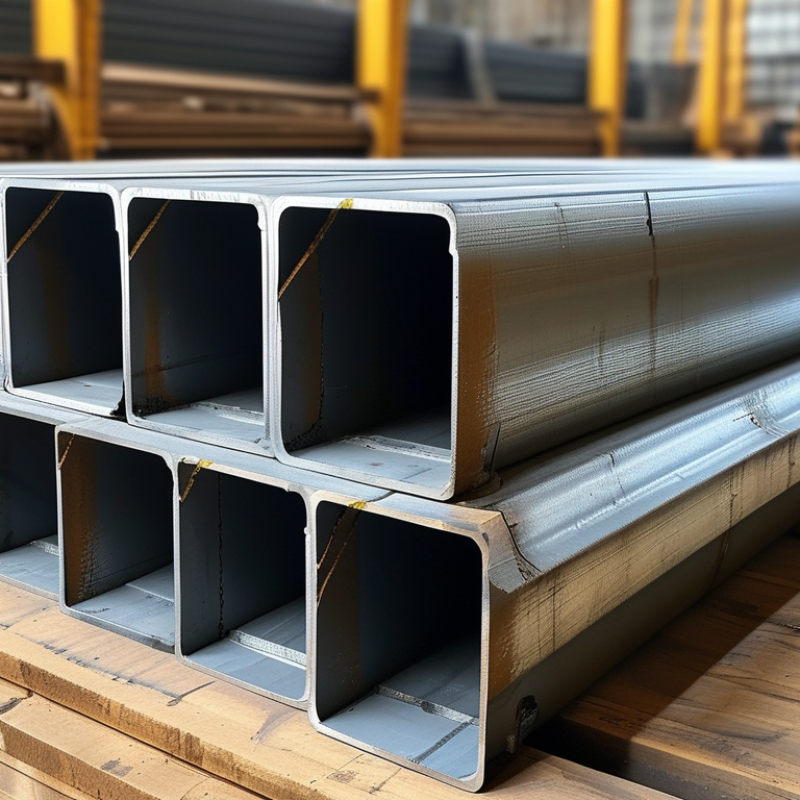
When considering square pipes, you need to account for material, size, and strength. The application often dictates these factors. A structural project may require heavy-duty options, while a decorative piece needs lighter materials. Each choice brings different benefits and challenges.
Additionally, awareness of tolerances and specifications is vital. A slight miscalculation could lead to structural issues or wasted materials. So, understanding your needs and limitations is essential. Reflecting on these aspects can ensure a successful result in your square pipe project.
Understanding the Types of Square Pipes and Their Materials
When selecting square pipes for your project, understanding the types and materials is crucial. Square pipes can be made from various materials such as steel, aluminum, and PVC. Each material has its benefits and limitations. Steel offers strength and durability but may corrode over time. Aluminum is lighter and resistant to rust, yet it can be more expensive. PVC is cost-effective and easy to work with, but it lacks the strength needed for high-stress applications.
Choosing the right material helps you avoid future issues. Consider the environment your project will be in. For outdoor projects, using materials that resist corrosion is essential. For indoor applications, factors like weight and cost might influence your choice more. Reflect on the specific demands of your project. If the pipes need to support significant weight, steel could be your best option.
In terms of size, measuring accurately is critical. Even small errors can lead to significant problems later on. Take your time to ensure your measurements are correct. Something as simple as a miscalculated length may require you to restart the entire project. Always plan for contingencies with your pipe selection. This awareness could save you time and money in the long run.
Types of Square Pipes and Their Common Applications
Key Factors in Selecting the Right Size of Square Pipe
Selecting the right size of square pipe for your project requires careful consideration of several key factors. The intended application is crucial. For structural projects, the common thickness ranges from 1.5 mm to 12 mm. Choosing the wrong thickness can compromise stability. According to the American Institute of Steel Construction, proper sizing can improve load-bearing capacity by up to 30%.
Next, consider the environment where the pipe will be used. Corrosion resistance is essential for outdoor applications. The surface finish and material type greatly affect longevity. A study by the National Institute of Standards and Technology found that galvanized steel can extend the life of square pipes by 50% in corrosive environments.
The dimensions of the piping also impact weight and ease of handling. Aiming for a balance between size and weight can enhance project efficiency. Often, projects underestimate the importance of proper dimensions. A discrepancy of just a few millimeters in width can lead to significant installation challenges. It's essential to review all specifications thoroughly to avoid costly errors down the line.
Assessing Load-Bearing Requirements for Structural Applications
When selecting a square pipe, understanding its load-bearing requirements is critical. Structural applications demand careful assessment of the expected weight and forces the pipe will encounter. Each project is distinct, influencing the necessary load capacity. If the calculations are inaccurate, it may lead to structural failure.
Consider the environment where the pipe will be used. For instance, outdoor projects may face harsh weather. This can affect the pipe's performance. It's essential to think about factors like corrosion resistance and environmental stresses. Oversights in these areas can cause significant issues down the line.
It’s also advisable to evaluate the pipe’s cross-sectional shape. Square pipes offer advantages in certain scenarios, like uniform load distribution. Yet, in other cases, round pipes might provide superior strength-to-weight ratios. Reflecting on these choices helps ensure you select the right material for your project. Keep in mind that local building codes may impose additional requirements for load-bearing structures.
Evaluating Corrosion Resistance in Square Pipe Material Choices
When evaluating square pipe materials for your project, corrosion resistance ranks high. Understanding the environment in which pipes will be used is essential. For instance, if pipes are in coastal areas, exposure to saltwater can accelerate corrosion. In such cases, materials like stainless steel may offer better protection against rust and degradation.
Another factor to consider is the type of coating on the pipe. Some pipes come with protective coatings that enhance their durability. These coatings can be effective in preventing corrosion, but their performance can vary based on environmental conditions. Regular inspections are necessary to assess the effectiveness of these coatings over time.
It’s important to reflect on past projects. Have you dealt with corrosion issues before? What materials worked, and which didn't? Learning from these experiences can guide you in making better choices now. Remember, when you choose the right square pipe, you are investing in the long-term success of your project.
Cost-Effectiveness: Balancing Quality and Price in Pipe Selection
Choosing the right square pipe for your project involves balancing quality and cost. Industry studies reveal that selecting materials based on short-term costs may lead to higher long-term expenses. For instance, low-quality pipes can fail prematurely, increasing maintenance costs. According to a report by the American Institute of Steel Construction, using higher-grade materials can reduce replacement instances by over 30%.
When you're considering your options, evaluate the specifications closely. Consider the pipe’s yield strength, corrosion resistance, and overall durability. Poorly chosen materials might seem cost-effective initially, but the risk of failure leads to greater investments in repairs. Sometimes it's wiser to invest more upfront to avoid costs later on.
Reflect on the environmental impact as well. Using sustainable materials may incur higher initial costs. However, according to data from the Green Building Council, sustainable practices can lead to a 20% reduction in overall expenditures over time.
Understanding your project requirements is vital. Prioritize performance without ignoring the budget. Sometimes, searching for a balance between quality and price may take time. Evaluate suppliers based on reliability and long-term value rather than just immediate savings.