Top 10 Applications for Square Pipe in Modern Construction Projects?
In modern construction, the use of Square Pipe has gained significant traction. This popularity is due to its versatility and strength. Square pipes are essential in various applications, making them a crucial component in construction projects. Their uniform shape allows for better stacking and increased structural integrity.
Builders now often choose Square Pipe over traditional materials. This shift reflects a need for durability and efficiency. These pipes are widely used in framing, supports, and even decorative elements. Designers appreciate their clean lines and ease of installation. However, not all projects fully leverage the potential of Square Pipe.
Understanding the right applications of Square Pipe can lead to smarter choices in construction. Some overlook its benefits due to conventional habits. It’s important to critically assess when and how to use this material. The future of construction lies in innovative solutions. Embracing Square Pipe is one step toward that future.
Applications of Square Pipe in Structural Frameworks for Buildings
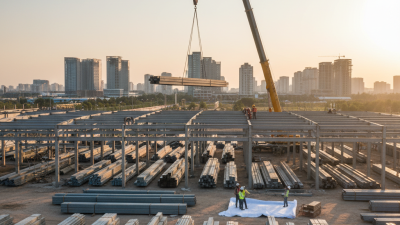
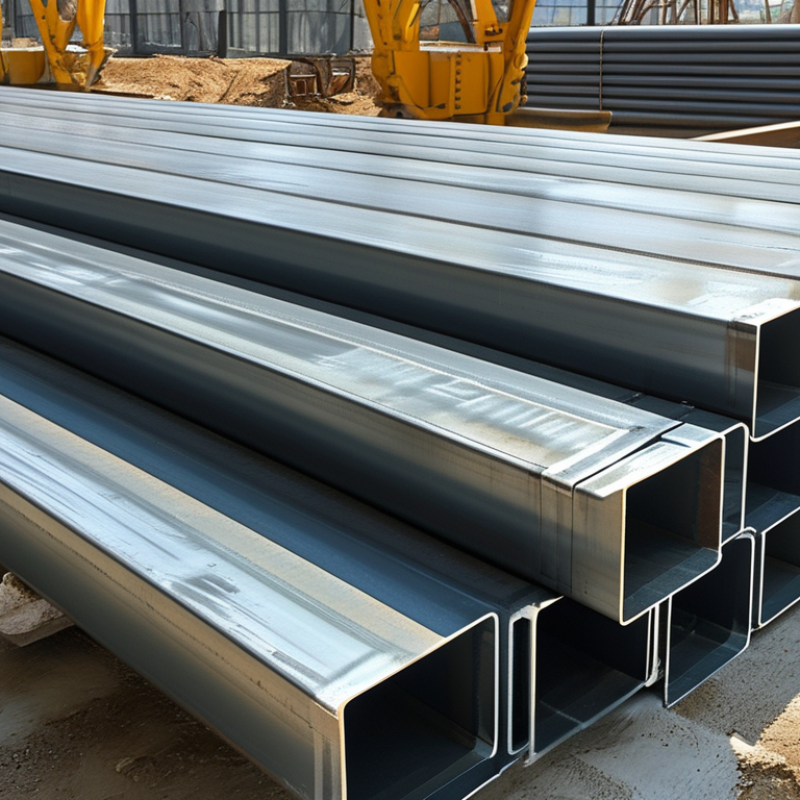
Square pipes play a significant role in modern construction projects, especially in structural frameworks for buildings. Their geometric consistency allows for efficient load distribution. According to the American Institute of Steel Construction (AISC), square pipes offer superior strength-to-weight ratios, making them ideal for both residential and commercial structures. This efficiency can lead to reduced costs and time during the construction process.
The versatility of square pipes extends to various applications. They are often used in beams, columns, and bracing systems. Research from the Steel Construction Institute highlights that using square pipes in structural frameworks can improve seismic performance due to their geometric stability. However, challenges arise when integrating square pipes with other materials. The connection points can sometimes lead to vulnerabilities. Understanding these potential weaknesses is essential for engineers and architects.
In addition, the aesthetic appeal of square pipes cannot be overlooked. Many modern designs embrace a raw, industrial look. This trend reflects a growing demand for buildings that are both functional and visually striking. Yet, as with any material, factors like corrosion resistance and maintenance needs must be considered. Balancing these aspects with the desired structural integrity can pose a challenge in some projects.
Utilization of Square Pipe in Mechanical and Electrical Installations
Square pipes have gained popularity in various mechanical and electrical installations. Their shape provides a strong structural support. This strength is essential in handling heavy loads. Electric conduits and HVAC systems often use square pipes for optimal performance.
In electrical installations, square pipes serve as protective conduits. They shield wiring from physical damage. The uniform shape makes it easier to secure them in place. This leads to improved efficiency in installation. However, their rigidity can pose challenges in tight spaces. Adaptations may be necessary for specific project requirements.
For mechanical purposes, square pipes offer versatility. They can be used in frames and racks. Their even distribution of weight helps maintain balance for equipment. Yet, in some cases, the lack of flexibility might limit design choices. Engineers must assess whether square pipes meet their needs without compromising originality.
Square Pipe in Innovative Facade Designs and Aesthetic Solutions
Square pipes are making waves in modern architecture, especially in innovative facade designs. Their clean lines and geometric shapes add a contemporary touch to buildings. Architects are experimenting with these pipes to create eye-catching exteriors. The uniformity of square pipes offers consistency in appearance, enhancing the overall aesthetic of structures.
Using square pipes allows for creative freedom. They can be stacked, layered, and arranged in various patterns. This flexibility can lead to unique designs that reflect the personality of the building. However, there are challenges. Designers must ensure that the structural integrity is not compromised when using these materials in bold configurations. It's crucial to balance beauty and strength.
Sustainability is another factor to consider. Square pipes can be made from recycled materials, making them appealing for eco-friendly designs. Yet, architects must weigh the benefits against the costs. Sometimes, the most striking designs become too expensive or impractical. Each project requires careful thought and reflection on the use of square pipes, ensuring they serve both aesthetic and functional purposes.
Cost-Effectiveness of Square Pipe in Large-Scale Construction Projects
The cost-effectiveness of square pipes in large-scale construction projects is significant. According to industry reports, square pipes can reduce material costs by up to 20% compared to traditional rounded alternatives. This efficiency stems from their design, which allows for more straightforward stacking and shipment. Consequently, handling costs decrease, benefiting overall project budgets.
Moreover, square pipes offer structural advantages. Their uniform shape provides better stability, especially in high-load applications. A recent study indicated that projects using square pipes reported a 15% increase in structural integrity. Less material is needed for the same strength, translating to lower expenses on materials and labor.
However, not all projects can benefit equally. Some designs may require specialized fittings, leading to additional expenses. It is important to evaluate the long-term implications of using square pipes, especially in relation to maintenance and durability. Balancing initial savings with potential future costs requires careful consideration.
Top 10 Applications for Square Pipe in Modern Construction Projects
This bar chart illustrates the estimated cost-effectiveness of square pipe applications in modern construction projects. The data presented reflects various use cases, showcasing the potential cost per unit for each application.
Sustainability and Environmental Impact of Using Square Pipe Materials
The use of square pipes in construction has gained traction due to their sustainability features. These materials often consist of recycled metals, reducing the demand for virgin resources. This not only minimizes environmental degradation but also lessens the energy required for production. Square pipes can replace traditional building materials, which often have higher carbon footprints. Their efficient design leads to better space utilization.
However, the benefits are not without challenges. The production process of square pipes can still generate emissions. Further, not all regions have access to recycled materials, which can limit their use. Therefore, while the transition to square pipes is promising, it’s critical to reflect on the local availability of sustainable resources. Collaborations with local recyclers can enhance the sustainable profile of these materials.
Implementing square pipes in construction requires thoughtful planning. The design must consider their structural integrity and aesthetic appeal. Balancing these practical aspects with sustainability goals is essential for long-term success in construction practices. Ultimately, addressing these challenges will strengthen the role of square pipes in eco-friendly building trends.
Top 10 Applications for Square Pipe in Modern Construction Projects
| Application |
Material Type |
Environmental Impact |
Sustainability Factor |
Usage Percentage (%) |
| Structural Frameworks |
Steel |
Low carbon footprint |
High recyclability |
25 |
| Fencing |
Aluminum |
Lightweight and durable |
Highly sustainable |
20 |
| Scaffolding |
Steel |
Easy to recycle |
Reusable materials |
15 |
| HVAC Ducts |
Galvanized Steel |
Energy-efficient |
Long lifespan |
10 |
| Furniture |
Stainless Steel |
Non-corrosive |
Sustainable design |
8 |
| Railings |
Aluminum |
Recyclable material |
Long-lasting |
6 |
| Pipes for utilities |
PVC |
Less energy in production |
Minimizes waste |
4 |
| Frames for buildings |
Composite materials |
Reduces resources |
Eco-friendly options |
5 |
| Decorative Elements |
Steel |
Sustainable design |
Conserves resources |
7 |