Top Square Pipe Trends for 2026 What Buyers Need to Know
As we approach 2026, the demand for Square Pipe continues to evolve. Buyers must stay informed about emerging trends that could influence their purchasing decisions. Square Pipe has gained popularity across various industries, including construction and manufacturing.
Understanding market dynamics is crucial. Factors such as material innovations, manufacturing processes, and sustainability efforts will shape the Square Pipe landscape. Buyers should pay attention to these trends as they can impact quality and availability. Engaging with reliable suppliers and participating in industry discussions can provide valuable insights.
However, it’s also important to reflect on the challenges ahead. Fluctuating costs and changing regulations may complicate purchasing decisions. Buyers should be prepared for these uncertainties. Staying adaptable and informed will be key to successfully navigating the Square Pipe market in the coming years.
Key Square Pipe Market Trends for 2026
The square pipe market is evolving rapidly as we approach 2026. Buyers must stay informed about key trends shaping this landscape. Advanced manufacturing techniques are enhancing the strength and durability of square pipes. This results in products that can better withstand environmental stress. As sustainability becomes a priority, the use of recyclable materials in production is also on the rise. This is a clear shift towards eco-friendly solutions.
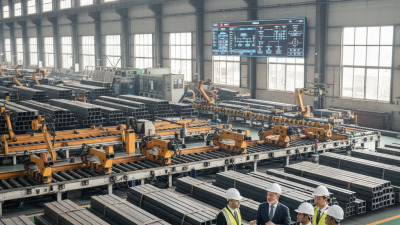
Moreover, digital technologies are impacting the market significantly. Automation in production lines increases efficiency. Buyers may see faster turnaround times and more precise products. However, the reliance on technology raises questions about quality control and labor practices. It's essential for buyers to consider these factors when sourcing square pipes. Understanding these trends can provide strategic advantages in procurement decisions.
The demand for customized solutions is also increasing. More buyers are looking for pipes tailored to specific construction needs. This trend may lead to higher costs. Yet, the long-term benefits of customized products can outweigh these initial investments. Transparency in sourcing and production processes will be crucial for buyers seeking reliable suppliers. By staying informed and considering these complex factors, buyers can make better decisions in a changing market.
Innovative Materials Reshaping Square Pipe Manufacturing
Innovative materials are transforming square pipe manufacturing. In recent years, manufacturers have been exploring lighter and more durable options. These materials can enhance product performance and reduce environmental impact. Advanced composites, for instance, are gaining traction due to their strength-to-weight ratio. This means that square pipes can be produced with less material while maintaining structural integrity.
Many buyers may not be familiar with how these new materials can benefit their projects. It's essential to conduct thorough research and understand material properties. Buyers should consider how these materials perform under various conditions. This knowledge can prevent costly mistakes later on.
When selecting materials, think beyond cost. Quality and longevity often justify a higher initial investment. Innovative materials may offer better resistance to corrosion and wear, ensuring longer-lasting performance. Consider collaborating with suppliers who prioritize sustainability and can provide insight into the latest advancements. Challenges in adapting to these innovations may arise, but being informed will give buyers a competitive edge.
Top Square Pipe Trends for 2026
Sustainability and Environmental Considerations in Square Pipes
As the square pipe industry evolves, sustainability becomes paramount. Buyers need to understand the environmental impact of their choices.
Square pipes can be made from various materials, including recycled metals and eco-friendly composites. Choosing such options can significantly reduce waste. Manufacturers are also increasingly adopting energy-efficient production methods. This shift reflects a commitment to minimizing carbon footprints.
However, not all square pipes are created equal. Buyers must be wary of misleading claims. Some products marketed as "green" may lack authenticity. It’s vital to seek transparency regarding materials and production processes. Look for certifications that verify sustainability claims. Ask manufacturers about their practices and source materials responsibly.
Water and energy conservation is another consideration. Square pipes used in construction can play a key role in overall building efficiency. Innovative designs can facilitate better insulation and require less energy for climate control. Still, the industry faces challenges in balancing cost and sustainability. Finding affordable, ecological options often requires thorough research and thoughtful investment.
Technological Advancements in Square Pipe Production Techniques
Technological advancements in square pipe production are transforming the industry. Innovations like automated welding and 3D modeling enhance precision and efficiency. These techniques help reduce production costs and improve consistency. Manufacturers can now create custom designs faster than ever. This speed can benefit various applications, from construction to automotive sectors.
Moreover, laser cutting technology is gaining traction. It allows for cleaner cuts with minimal waste. This precision is essential for projects requiring exact dimensions. However, the implementation of such technologies often comes with challenges. Not all manufacturers adapt quickly to change, potentially affecting their competitiveness.
There’s a growing emphasis on sustainable practices too. Recycling scrap materials during production is becoming more common. But this requires careful management to ensure quality. Buyers should be aware of these trends, as they can impact pricing and supply chains in unpredictable ways. Understanding these advancements is crucial for informed purchasing decisions.
Top Square Pipe Trends for 2026 What Buyers Need to Know
| Trend |
Description |
Impact on Buyers |
Technological Advancement |
| Increased Automation |
Greater use of robotics in manufacturing processes to reduce labor costs. |
Potential for lower prices and faster production times. |
Automation technologies like AI and machine learning. |
| Sustainability Focus |
Shift towards eco-friendly materials and processes in production. |
Easier compliance with environmental regulations and better brand image. |
Recycling technologies and biodegradable materials. |
| Customization Options |
Rise in demand for custom sizes and specifications in square pipes. |
Improved project satisfaction with tailor-made solutions. |
Advanced CNC machining and 3D printing technologies. |
| Smart Integration |
Incorporation of IoT devices for enhanced tracking and management. |
Better inventory management and reduced waste in operations. |
IoT sensors and data analytics tools. |
| Advanced Coatings |
Development of new coatings for better corrosion resistance. |
Longer lifespan and reduced maintenance costs for buyers. |
Nanotechnology and new polymeric materials. |
Consumer Preferences Influencing Square Pipe Design in 2026
In 2026, consumer preferences will significantly shape square pipe designs. Modern buyers prioritize aesthetics and functionality. Sleek designs that blend with various architectural styles are gaining traction. Sustainability also plays a vital role. Many consumers prefer eco-friendly materials, which influences manufacturers to innovate. These shifts are leading to more sustainable production processes.
Understanding these trends can help buyers make informed decisions. Assess how these preferences impact your projects. Consider the visual appeal and material choice as you plan your purchases. Clients increasingly expect bespoke solutions, reflecting their taste. Functional requirements are essential, but do not overlook the aesthetic aspects.
Tip: Keep an eye on emerging materials. Some may offer durability without sacrificing style. Explore designs that suit both residential and commercial spaces. These factors will guide your selections in the evolving market. Balancing personal preference with broader trends is key to thriving in 2026.