What is Nickel Alloy Plate and Its Benefits for Buyers?
Nickel Alloy Plates are becoming increasingly popular in various industries due to their unique characteristics. The global nickel alloy market was valued at approximately $4.9 billion in 2022, according to industry reports. This rise is attributed to the metal's exceptional corrosion resistance and high-temperature strength.
Many manufacturers prefer Nickel Alloy Plates for their durability, especially in harsh environments. For instance, the aerospace sector relies on these materials for engine components where performance is critical. However, choosing the right Nickel Alloy Plate is essential. Buyers must consider factors such as chemical composition and mechanical properties.
While the advantages are clear, there are challenges too. The production process can be complex, leading to varying quality among suppliers. This can make it difficult for buyers to ensure reliability. Quality assurance plays a vital role in the selection process. Understanding industry standards and certifications is crucial for buyers navigating this competitive market.
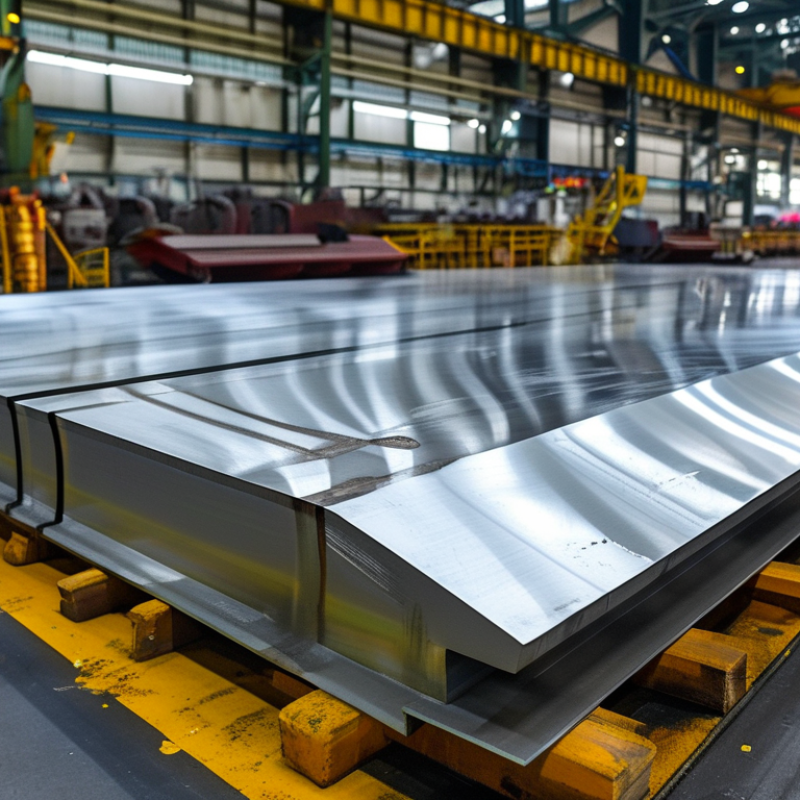
What is Nickel Alloy Plate?
Nickel alloy plate is a specialized material known for its impressive properties. It is primarily made from nickel combined with other elements such as chromium and molybdenum. This combination enhances its strength and resistance to heat and corrosion. Industries widely use nickel alloy plates because they withstand extreme conditions.
The manufacturing process of nickel alloy plates involves the careful selection of raw materials. High-quality nickel is crucial for optimal performance. These plates are available in various thicknesses and sizes, catering to diverse applications. Buyers benefit from the durability and reliability these plates offer. They are ideal for chemical processing, aerospace, and marine environments, where failure is not an option.
Despite their advantages, not all nickel alloy plates are created equal. Buyers should understand their specific needs before making a purchase. Some might overlook the variations in quality and specification. Investing in thorough research can mitigate potential risks. It's vital to consult experts or reviews to ensure a wise decision.
Composition and Properties of Nickel Alloys
Nickel alloys are increasingly recognized for their unique composition and desirable properties. These materials typically consist of nickel combined with other elements like chromium, molybdenum, and copper. Such combinations enhance their resistance to corrosion and oxidation. According to a recent industry report, nickel-based alloys are critical in industries where durability and high performance are vital. They can withstand extreme temperatures, making them ideal for aerospace and automotive applications.
The mechanical properties of nickel alloys are impressive. They demonstrate high tensile strength and toughness, allowing them to endure significant stress and strain. For example, the yield strength of some nickel alloys can exceed 200 MPa. In addition, their resistance to degradation in harsh environments is noteworthy. A study indicated that nickel alloys performed exceptionally well in acidic or saline solutions, which are often detrimental to other materials.
Despite these benefits, the cost can be a concern for buyers. Producing nickel alloys is more expensive compared to standard steel. Additionally, sourcing nickel can be challenging due to market fluctuations. These aspects warrant careful consideration when selecting materials for specific applications. Balancing costs with the performance advantages is crucial for making informed purchasing decisions.
Nickel Alloy Plate Properties and Composition Analysis
Key Benefits of Nickel Alloy Plates for Buyers
Nickel alloy plates offer several compelling benefits for buyers in various industries. Their exceptional resistance to corrosion makes them ideal for harsh environments. These plates maintain their strength at high temperatures, which is crucial for applications in aerospace and chemical processing. Buyers appreciate the longevity and reliability of nickel alloy materials, reducing the need for frequent replacements.
Tips: When selecting nickel alloy plates, consider the specific environmental conditions. This helps ensure you choose a plate that meets your needs effectively. Always consult with suppliers to verify the material specifications.
Another advantage of nickel alloy plates is their ability to withstand significant stress. This characteristic is vital for structural applications. It enhances safety and performance, reducing the risk of failure. However, buyers should beware of the potential for higher initial costs. Understanding the long-term savings can justify these investments.
Tips: Evaluate the total cost of ownership, not just the purchase price. This will help you make informed decisions. Always examine your supplier's credentials to ensure reliability in sourcing.
What is Nickel Alloy Plate and Its Benefits for Buyers?
| Property |
Description |
Benefits |
| Corrosion Resistance |
Nickel alloys exhibit excellent resistance to a variety of corrosive environments. |
Increases lifespan of components, reducing maintenance costs. |
| High Strength |
Nickel alloys maintain high strength levels at elevated temperatures. |
Allows for thinner, lighter designs without compromising strength. |
| Heat Resistance |
Excellent performance in high-temperature applications. |
Suitable for usage in engines, turbines, and high-temp environments. |
| Weldability |
Good weldability with various welding techniques. |
Facilitates easier manufacturing and assembly processes. |
| Versatility |
Can be used in various industries including aerospace, marine, and chemical processing. |
Widely applicable for diverse projects, enhancing marketability. |
Applications of Nickel Alloy Plates in Various Industries
Nickel alloy plates have versatile uses across multiple industries. In the aerospace sector, they are essential for manufacturing engine components. Their strength and resistance to extreme temperatures make them a key material. Similarly, in the chemical processing industry, nickel alloys resist corrosion effectively. This property allows for safer chemical storage and processing environments.
In the oil and gas sector, nickel alloy plates are frequently used in offshore drilling operations. They provide durability against harsh environmental conditions. Some manufacturers use them in the construction of pressure vessels. The ability to withstand high pressures and aggressive media is crucial in this application.
Tip: Always consider the specific environmental conditions when selecting nickel alloys. Each application demands careful material selection.
Furthermore, in marine applications, these plates help to combat marine corrosion. Ships and offshore structures benefit immensely from their longevity. However, it's essential to note that improper treatment can lead to premature wear.
Tip: Regular maintenance is vital to prolong the lifespan of nickel alloy plates, ensuring they perform optimally.
Factors to Consider When Purchasing Nickel Alloy Plates
When purchasing nickel alloy plates, several factors come into play. Buyers should evaluate the specific application of the plates. Understanding the operating environment is crucial. Different nickel alloys perform better under varying temperatures and corrosive conditions. This impacts both performance and longevity.
Another key factor is the thickness and size of the plates. Nickel alloys come in various dimensions. Choosing the right thickness impacts the structural integrity of the final product. Additionally, sourcing from reliable suppliers ensures that buyers receive materials that meet standards. Quality assurance processes should be verified during procurement.
Price is also an important consideration. While quality is essential, buyers must balance it with their budget. However, cheaper options may lead to unanticipated failures. The potential for reduced lifespan raises important questions about long-term value. Reflecting on these aspects can help buyers make informed decisions.