Top 10 Benefits of Using Nickel Alloy Plates for Your Projects?
Nickel Alloy Plates have gained significant traction in various industries due to their remarkable properties. According to a report from MarketsandMarkets, the global nickel alloy market is expected to reach USD 40 billion by 2026. This growth underscores the increasing demand for durable and reliable materials in projects ranging from aerospace to marine applications.
The unique composition of Nickel Alloy Plates offers outstanding corrosion resistance, high-temperature stability, and excellent mechanical properties. These benefits make them ideal for challenging environments, such as chemical processing facilities and oil refineries. A study by Research and Markets noted that the aerospace sector alone utilizes high-performance alloys like nickel for improved safety and efficiency in aircraft design.
Yet, despite their advantages, some still overlook Nickel Alloy Plates due to cost concerns. While they may require a higher initial investment, the long-term performance and durability can lead to cost savings in maintenance and replacement. Companies need to evaluate their project requirements carefully. Understanding these aspects can help maximize the benefits of using Nickel Alloy Plates.

Benefits of High Corrosion Resistance in Nickel Alloy Plates
Nickel alloy plates are known for their exceptional high corrosion resistance. This property makes them an ideal choice for demanding environments. Many industries, especially oil and gas, often face corrosive materials that can damage lesser metals. Nickel alloys, with their ability to resist pitting and crevice corrosion, ensure long-lasting performance under harsh conditions.
In practical applications, nickel alloy plates can be used in chemical processing and marine environments. Their strength and durability help in maintaining structural integrity. However, they can be more challenging to source and may require specialized handling due to their unique properties. Not everyone is familiar with the nuances of using these materials effectively, which can lead to improper applications.
The investment in nickel alloys pays off over time. Their longevity reduces the need for frequent replacements. Nonetheless, it’s important to consider the initial cost and availability. The benefits often outweigh these concerns, but project managers must weigh these factors carefully. Understanding the full implications of using nickel alloy plates will support better decision-making in material selection.
Top 10 Benefits of Using Nickel Alloy Plates for Your Projects
Enhanced Strength Properties of Nickel Alloy Plates for Heavy Loads
Nickel alloy plates offer exceptional strength properties, making them ideal for projects that involve heavy loads. These materials resist deformation and maintain their integrity under stress. When used in construction and industrial applications, they provide a reliable solution for demanding environments. The ability to withstand high pressures helps prevent failures that could lead to costly repairs or safety hazards.
In manufacturing processes, the unique composition of nickel alloys enhances their performance. They display excellent resistance to corrosion, which is crucial in harsh conditions. This durability is vital for operations in marine, automotive, and aerospace fields. Even so, it's essential to consider the specific requirements of your project. Nickel alloys can be more challenging to machine compared to other materials, leading to potential complications.
Understanding the performance characteristics of nickel alloy plates is crucial. Their ability to support heavy loads is often balanced against factors like cost and machinability. Some projects may require trade-offs that can affect overall efficiency. By carefully evaluating these elements, you can make better choices for your applications, ensuring that the benefits of using nickel alloys outweigh the potential challenges.
Thermal Stability Advantages of Nickel Alloy Plates in Extreme Conditions
Nickel alloy plates offer exceptional thermal stability, making them ideal for extreme conditions. These plates maintain their structural integrity even when exposed to high temperatures. Such thermal resistance is crucial in industries that encounter intense heat.
Aerospace and petrochemical sectors greatly benefit from this property. Nickel alloys can endure rapid temperature changes without significant deformation.
In applications where reliability is non-negotiable, nickel alloy plates excel. Their resistance to thermal fatigue enhances performance over time. Engineers often choose these materials when designing components for reactors or turbine engines. It’s interesting to note that some users report occasional challenges with alloy consistency. These reports highlight the need for careful selection of suppliers. Attention to detail remains vital in achieving optimal results. Proper testing and verification can mitigate potential risks in extreme environments.
When implementing nickel alloy solutions, projects can achieve efficiency and longevity. Even though the initial investment might be higher, the long-term benefits outweigh the risks. Adopting nickel alloys represents a forward-thinking approach to managing heat in various applications.
Cost-Effectiveness of Using Nickel Alloy Plates in Long-Term Projects
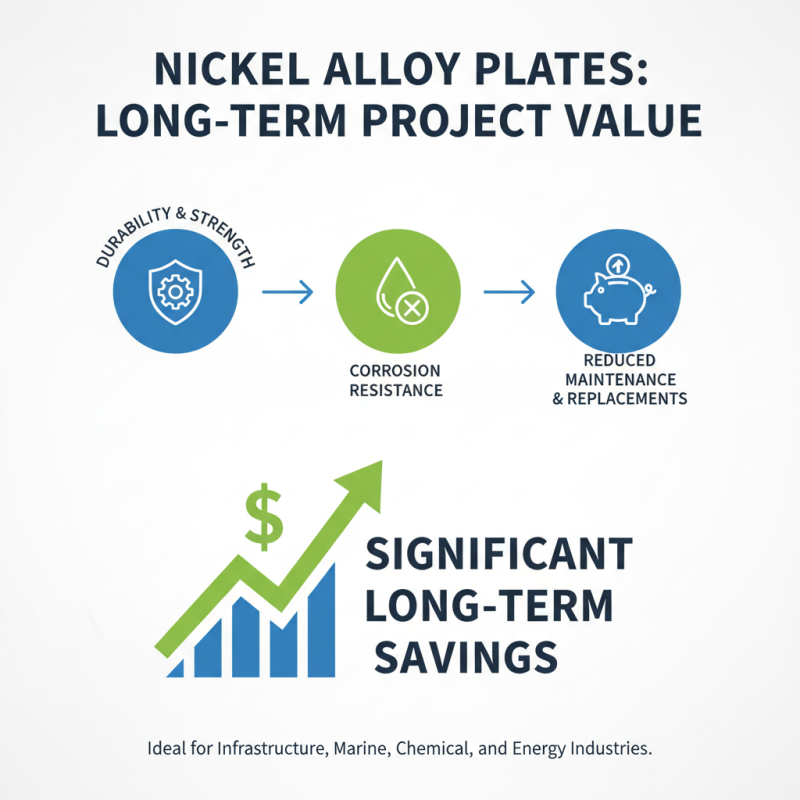
Nickel alloy plates offer significant cost-effectiveness in long-term projects. Their durability reduces maintenance costs over time. Unlike some materials, nickel alloys resist corrosion, leading to fewer replacements. This resilience translates into long-term savings for projects across various industries.
One critical aspect is the initial investment. While nickel alloys may cost more upfront, their longevity often justifies the expense. Projects using these materials encounter fewer delays and interruptions due to repairs. A solid framework helps ensure that resources are spent wisely, mitigating unexpected expenses.
Using nickel alloy plates can be a smart decision. However, it is essential to consider specific project requirements. Not every project benefits equally from them. Analyzing conditions like environment and load factors is crucial. Overlooking these could lead to missed opportunities for savings. Every project manager must weigh these considerations carefully.
Versatility and Applications of Nickel Alloy Plates in Various Industries
Nickel alloy plates are known for their remarkable versatility. They are used across various industries, including aerospace, marine, and chemical processing. These plates can withstand extreme temperatures and resist corrosion. This makes them ideal for applications where durability is crucial.
In aerospace, nickel alloy plates contribute to the safety of aircraft components. They are often found in turbine engines and exhaust systems. In the marine industry, these plates help combat harsh seawater environments. Their resistance to pitting and stress corrosion enhances the lifespan of critical components.
Chemical processing facilities also rely on nickel alloys. These plates handle aggressive chemicals without degrading. However, challenges exist in sourcing high-quality nickel alloys amid fluctuating market conditions. Balancing cost with performance can be complex, requiring careful consideration. It’s essential to evaluate specific project needs before making a decision.
Therefore, assessing the advantages and limitations of nickel alloy plates is vital for successful application.