How to Choose the Right Metal Tube Pipe for Your Project?
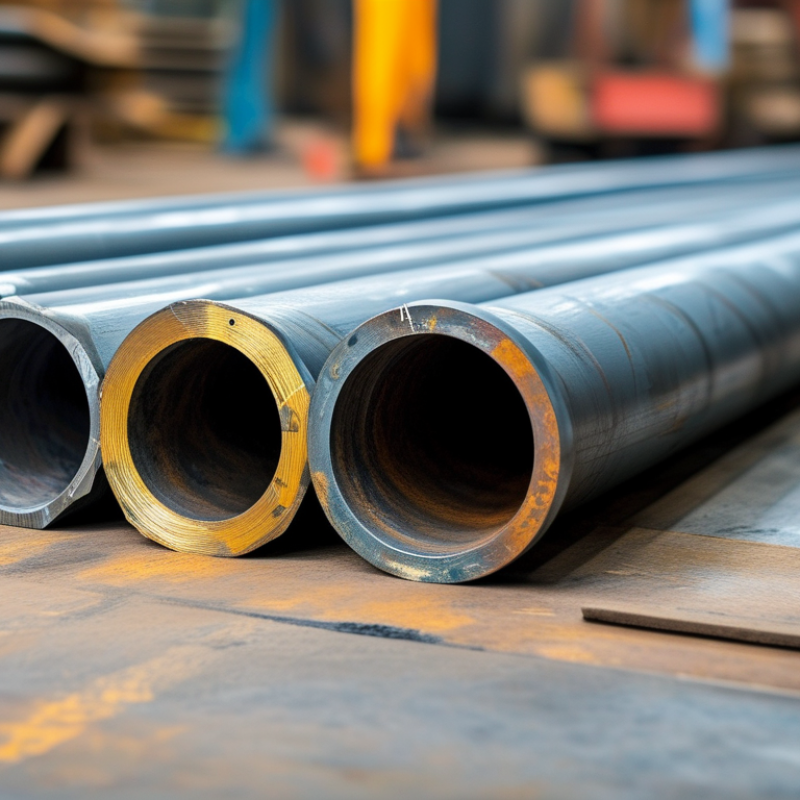
Choosing the right Metal Tube Pipe for your project is a crucial decision. As industry expert John Smith states, "The wrong material can lead to failure." Understanding the specifications of Metal Tube Pipe can save both time and resources.
Every project has unique requirements. Factors such as diameter, thickness, and material type matter significantly. The choice between carbon steel, stainless steel, or aluminum can affect durability and cost.
On the surface, selecting a Metal Tube Pipe seems straightforward. However, even small mistakes can have significant consequences. Rushing through this decision may result in structural weaknesses or increased expenses. Quality matters, and the details shouldn't be overlooked.
Factors to Consider When Selecting Metal Tube Pipes
Choosing the right metal tube pipe can be a complex task. Consider your project's specific needs first. Factor in the environment where the pipe will be used. If exposure to moisture is likely, corrosion resistance is crucial. Different metals, like stainless steel or aluminum, behave differently in various conditions.
Next, think about the dimensions and weight of the metal tube. Customize the size to match your specifications. Too heavy a pipe may complicate installation. The wall thickness can also impact strength. Thicker walls usually offer more durability.
Finally, reflect on the intended application. Will it be for structural support or fluid transport? The type of fluid can dictate the necessary specifications. Look for pipes with ratings that match your requirements. Rushing this decision may lead to costly mistakes later on. Balancing quality and cost will require careful evaluation and sometimes compromise.
Types of Metal Tube Pipes and Their Applications
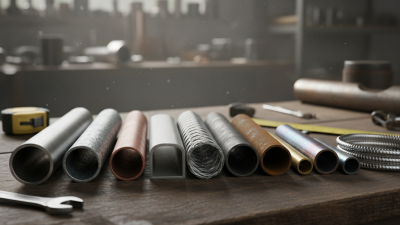
When selecting a metal tube pipe for your project, understanding the various types and their applications is crucial. Steel tubes are widely used in construction. They offer strength and durability. Aluminum tubes are lighter and resist corrosion. Ideal for portable structures, they are popular in architectural designs.
Copper tubes are excellent for plumbing. They handle heat well and prevent bacterial growth. However, they can be more expensive. Stainless steel is another option, known for its resistance to rust and stains. This type is commonly used in food processing and medical applications due to its hygiene properties.
Choosing the right type depends on specific needs. Consider the environment where the pipe will be used. Will it face extreme temperatures or moisture? Reflect on project requirements. Sometimes, a lower-cost option may not suffice in demanding conditions. Balancing durability and expense is essential in making a wise choice.
How to Choose the Right Metal Tube Pipe for Your Project? - Types of Metal Tube Pipes and Their Applications
| Type of Metal Tube Pipe |
Material |
Application |
Diameter (mm) |
Wall Thickness (mm) |
| Seamless Pipe |
Carbon Steel |
Oil & Gas, Construction |
20-100 |
2-10 |
| Welded Pipe |
Stainless Steel |
Food Processing, Chemical |
15-150 |
1-5 |
| Square Tube |
Aluminum |
Furniture, Automotive |
20-80 |
1-6 |
| Round Tube |
Copper |
Heating Systems, Electrical |
10-50 |
0.5-3 |
Measuring and Sizing for Your Metal Tube Project
When selecting metal tubes for a project, precise measuring is crucial. Accurate dimensions ensure the tube fits within your specific design requirements. Begin by understanding the diameter and wall thickness needed. For instance, a thicker wall provides better durability, while a thinner one allows for more flexibility. Measure the space available for the tube without any obstruction. Use calipers or a measuring tape for best results.
Consider the length of the pipe too. Think about the overall project design when determining length. A miscalculation here can lead to excess waste or inadequate support. Make notes of your measurements and double-check them. If possible, create a prototype to assess the fit. Test the tube’s compatibility with related components. This hands-on approach can reveal issues you may not see on paper.
Choosing the right size can feel overwhelming at first. Sometimes it’s necessary to return to the drawing board. Consulting with professionals or experts can clarify doubts. Their insights can save you from future headaches. It’s all about ensuring the metal tube enhances your project rather than complicates it.
Understanding Material Properties and Grades
When selecting a metal tube pipe for your project, understanding material properties is crucial. Different metals have distinct characteristics that influence their performance. For instance, aluminum is lightweight and resistant to corrosion. Steel, on the other hand, is known for its strength and durability. Each material can significantly affect the end-use of your project.
Consider the grade of the metal. High-grade materials offer better mechanical properties, suitable for demanding applications. However, they often come at a higher cost. Balancing your budget with the need for strength and durability is essential. Don’t forget about the environment where the pipe will be used. Corrosive conditions require specialized coatings or materials to ensure longevity.
**Tip:** Research the common grades for your chosen material. This knowledge can help make an informed decision.
Reflect on how your project requirements align with available materials. Sometimes, a less expensive option could provide adequate performance without over-specifying. Always weigh the pros and cons carefully.
**Tip:** Check certifications for quality assurance. Reliable suppliers often provide this, enhancing the credibility of their products.
Cost Considerations and Supplier Selection
When selecting metal tube pipes for your project, cost considerations play a crucial role. Start by comparing quotes from various suppliers. Prices can vary significantly based on material quality and market demand. Conduct thorough research to ensure you're not overspending. Keep an eye on the hidden costs, such as shipping and handling fees. These can inflate your total expenses unexpectedly.
Choosing a reliable supplier is essential. Look for companies with a good reputation in the industry. Customer reviews can provide insights into product quality and service reliability. Don’t hesitate to ask for references. Sometimes, lower prices can mean compromised quality, leading to potential issues in your project.
Tips:
- Verify the supplier’s certifications. This can indicate their quality standards.
- Consider local suppliers. They may offer better shipping rates and quicker service.
- Ask for sample pipes or specifications before making large orders. This helps ensure they meet your project’s requirements.
Keep in mind the possibility of needing additional materials later. It may impact your overall budget. Reflect on your project’s long-term needs as you choose the right
metal tube pipe.