2026 Top Metal Tube Pipe Buying Guide for Global Importers?
The global metal tube pipe market continues to expand, driven by rising industrial demands and innovative applications. According to a recent report by MarketsandMarkets, the market size is projected to reach USD 40 billion by 2026, reflecting an impressive CAGR of 5.8%. Key industries such as construction, automotive, and energy are fueling this growth, showcasing the versatility and necessity of metal tube pipes.
Understanding the intricacies of metal tube pipe purchasing can be daunting for importers. Factors like material composition, manufacturing techniques, and market trends play significant roles in decision-making. A report published by TechSci Research indicates that the carbon steel segment dominates the market due to its strength and cost-effectiveness. However, there are ongoing discussions regarding environmental impacts and sustainability, prompting buyers to reflect on their choices.
Importers must also consider the reliability of suppliers and the quality of products. Not all suppliers meet international standards, which can lead to unforeseen challenges. Engaging with reputable suppliers and understanding certifications can mitigate risks. Balancing cost with quality remains a critical aspect of sourcing. In this evolving landscape, informed decisions regarding metal tube pipes are essential for successful importing strategies.
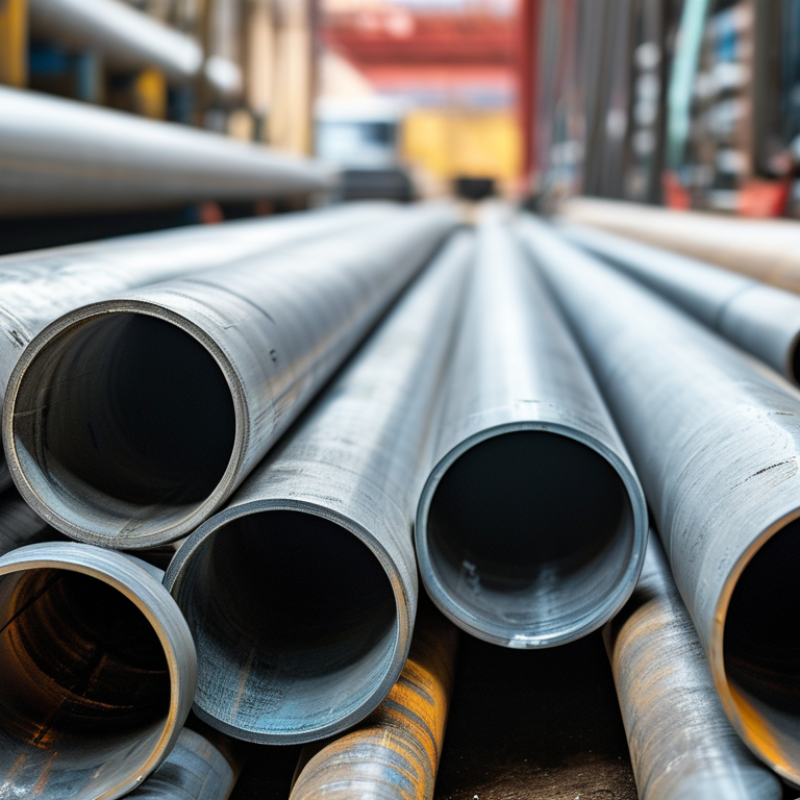
Understanding the Types of Metal Tubes and Pipes Available in 2026
In 2026, the landscape of metal tubes and pipes is evolving rapidly. Importers must navigate a variety of materials, each suited for different applications. Stainless steel remains a top choice due to its strength and resistance to corrosion. According to the Global Metal Tube Market Report 2023, demand for stainless steel tubes is expected to grow by 5% annually. This robust market trend highlights its critical role in construction, automotive, and aerospace sectors.
Carbon steel pipes are another staple, particularly for oil and gas industries. They offer excellent durability and can withstand high pressures. The International Energy Agency has reported that the need for carbon steel pipes is projected to increase by 4% by 2026, driven by infrastructure projects worldwide. Galvanized tubes, coated to resist rust, are also gaining traction in construction, offering a balance between cost and longevity.
However, the metal tube market does face challenges. For instance, the volatility of raw material prices can impact overall costs. Additionally, environmental regulations add complexity to manufacturing processes. Importers should remain informed about these dynamics to make wise purchasing decisions.
2026 Top Metal Tube Pipe Buying Guide for Global Importers
| Type of Metal Tube/Pipe |
Material |
Diameter (mm) |
Wall Thickness (mm) |
Applications |
| Seamless Steel Pipe |
Carbon Steel |
20-200 |
2-20 |
Oil & Gas, Construction |
| Welded Stainless Steel Tube |
Stainless Steel |
15-150 |
1-10 |
Food Processing, Pharmaceuticals |
| Copper Pipe |
Copper |
10-100 |
0.5-5 |
HVAC, Refrigeration |
| Aluminum Tube |
Aluminum Alloy |
5-100 |
1-6 |
Automotive, Aerospace |
| Galvanized Steel Pipe |
Galvanized Steel |
20-150 |
2-12 |
Water Supply, Construction |
Key Factors Influencing the Metal Tube and Pipe Market for Importers
When considering the metal tube and pipe market, several factors can significantly influence importers' decisions. Global demand is expected to rise. According to a report by Grand View Research, the market size is projected to reach $270 billion by 2026, growing at a CAGR of 5.2%. This presents a lucrative opportunity for importers to tap into various industrial applications, ranging from construction to automotive.
Raw material prices are a critical consideration. Fluctuations in steel and aluminum prices can impact overall costs. The World Steel Association highlighted a 15% increase in steel prices in 2021, affecting production costs for metal tubes and pipes. It's essential for importers to stay updated on market trends. This can prevent unexpected expenses and streamline the procurement process.
Quality standards also play a vital role in the buying process. Importers must ensure products meet international certifications. Reports indicate that approximately 25% of metal tubes and pipes fail quality inspections due to non-compliance. This not only affects supply chains but also impacts the reputation of importers. Effective quality management can mitigate risks and enhance reliability in the market.
Evaluating Quality Standards and Certifications for Metal Tubes and Pipes
When importing metal tubes and pipes, ensuring compliance with quality standards and certifications is key. Various international standards, like ISO 9001, are essential for assessing a supplier's quality management system. This certification indicates that a manufacturer consistently meets requirements, a crucial aspect in the metal industry. The World Steel Association reports that around 70% of consumers prioritize certified products for reliability and performance.
Different regions may have unique standards too. For instance, ASTM and ASME standards are prevalent in North America. Meanwhile, EN standards are critical in Europe. Importers must verify these certifications. Yet, only 35% of importers actively check their suppliers' compliance. This gap can lead to significant risks, including product failures. Understanding these certifications can mitigate such issues.
Quality control processes need thorough evaluation. Inspections, testing, and certifications help filter out subpar products. However, 40% of businesses reported difficulties in establishing consistent quality checks in their supply chains. Investing time in assessing these elements can enhance product reliability. While challenges exist, addressing them can significantly improve procurement strategies.
Strategies for Finding Reliable Manufacturers and Suppliers Globally
Finding reliable manufacturers and suppliers in the metal tube and pipe industry can be challenging. Importers must navigate a complex landscape filled with varied options. According to industry reports, over 40% of importers find quality assurance a primary concern when sourcing products globally. This highlights the need for thorough vetting processes.
One effective strategy is to utilize platforms that specialize in supplier verification. Trade associations often provide directories of accredited manufacturers. Engaging with local industry forums can also yield insider information about trustworthy suppliers. Notably, a survey revealed that 70% of buyers prioritize suppliers with a proven track record of reliability and compliance.
Networking is essential. Attending trade shows helps establish direct communication with manufacturers. Personal interactions pave the way for building trust. Importers should conduct site visits when feasible. However, physical visits may not always be practical, leading to reliance on remote assessments. Challenges can arise, as remote evaluations may overlook certain quality indicators. Always seek references to gain insights into a supplier's performance.
Cost Considerations and Budgeting Tips for Metal Tube and Pipe Purchases
When it comes to purchasing metal tubes and pipes, budgeting is crucial for importers. The global market for these products is projected to reach over $200 billion by 2026, reflecting strong demand across various industries. Cost factors encompass raw material prices, manufacturing expenses, and shipping fees. According to recent industry reports, steel prices have fluctuated by 15% in the past year alone. This volatility can significantly impact budgeting decisions.
It's essential to monitor market trends closely. This awareness helps secure better prices and avoids potential losses. In addition, consider negotiating long-term contracts with suppliers. Such agreements can lock in prices, providing stability amid market shifts. Remember, unexpected costs can arise, such as tariffs or shipping delays.
**Tip:** Always have a contingency budget. Aim for an additional 10% of your total budget to cover unforeseen expenses.
Finding a reliable supplier is another critical aspect. Assess their manufacturing capabilities, quality control measures, and delivery schedules. A thorough vetting process mitigates risks and ensures smooth operations.
**Tip:** Request samples before making large purchases. This practice helps avoid costly mistakes.
By keeping a close eye on these factors, importers can make informed financial decisions, fostering success in the competitive market of metal tubes and pipes.
2026 Metal Tube and Pipe Price Trends