Why Choose the Right Boiler Tube for Your Industrial Needs?
Choosing the right Boiler Tube is critical for optimal industrial performance. Recognized expert in boiler technology, Dr. Emily Carter, once stated, "The quality of your Boiler Tube can make or break your system." This highlights the crucial role that boiler tubes play in industrial efficiency and reliability.
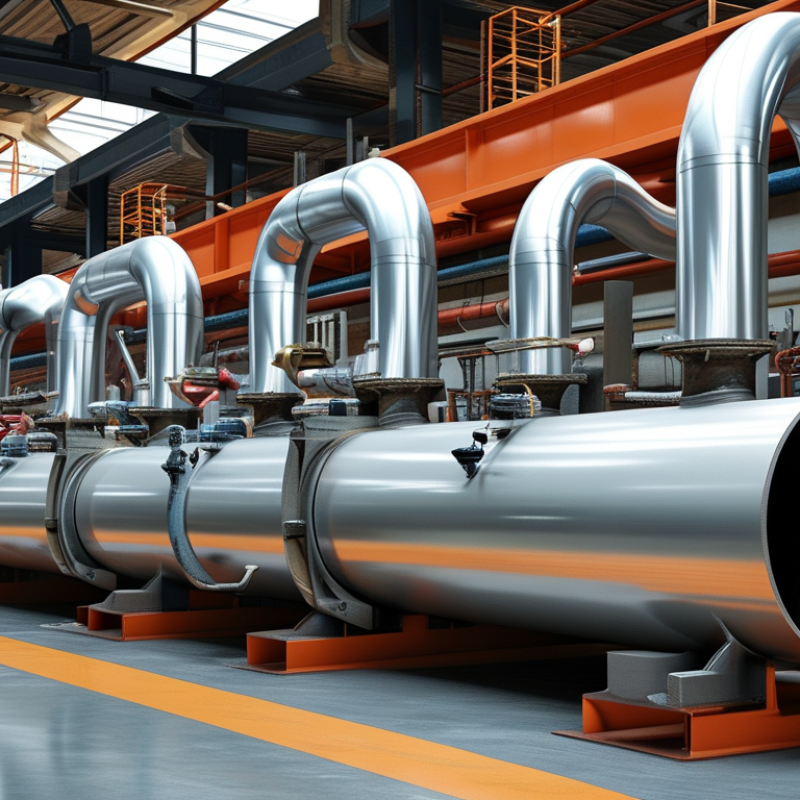
Boiler tubes are essential components in various industries, from power generation to manufacturing. These tubes endure extreme temperatures and pressures. Selecting inferior materials can lead to costly failures. Therefore, understanding the different types of boiler tubes is vital for any industrial operation. It's not just about choosing a tube; it's about ensuring long-lasting performance.
Not all boiler tubes are created equal. Factors like corrosion resistance, heat transfer efficiency, and mechanical strength differ widely. Companies often face the challenge of balancing cost and quality. Many end up paying more to replace faulty tubes, reminding us that haste can lead to mistakes. In the end, investing time in selecting the right boiler tube pays off significantly.
Factors to Consider When Selecting Boiler Tubes for Industrial Applications
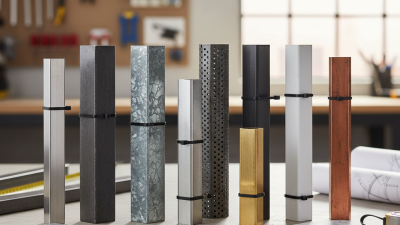
When selecting boiler tubes for industrial applications, several factors deserve attention. The material is crucial. Different types of steel offer varied durability and resistance to corrosion. High-pressure environments often demand tubes with specific properties. Understanding these requirements is vital for maintaining efficiency and safety.
Another consideration is the tube's dimensions. Size impacts heat transfer and flow rates, affecting overall performance. Ensure the dimensions align with your system's specifications. Tests for quality assurance should also be performed. Substandard tubes can lead to costly downtime and repairs. Relying on verified suppliers can help mitigate risks.
Finally, it is essential to assess the operating environment. Factors like temperature, pressure, and chemical exposure play significant roles in tube lifespan. Often, industries overlook these details until issues arise. Regular review of operational conditions can help preempt failures. Adjusting your choices based on these assessments will enhance reliability.
Why Choose the Right Boiler Tube for Your Industrial Needs? - Factors to Consider When Selecting Boiler Tubes for Industrial Applications
| Dimension |
Material |
Thickness (mm) |
Temperature Rating (°C) |
Pressure Rating (bar) |
Application |
| 25.4 mm x 2.5 mm |
Carbon Steel |
2.5 |
400 |
25 |
Power Generation |
| 38 mm x 4 mm |
Alloy Steel |
4.0 |
540 |
30 |
Chemical Processing |
| 50 mm x 5 mm |
Stainless Steel |
5.0 |
700 |
40 |
Oil & Gas |
| 63.5 mm x 6 mm |
Carbon Steel |
6.0 |
480 |
35 |
Refinery Services |
| 76.2 mm x 8 mm |
Alloy Steel |
8.0 |
600 |
45 |
High-Efficiency Boilers |
Types of Boiler Tubes and Their Specific Uses in Different Industries
Choosing the right boiler tube is crucial for various industries. Different tube types serve specific purposes and can significantly affect performance and safety. For instance, carbon steel tubes are commonly used in power generation due to their high strength and resistance to thermal cycling. According to industry reports, these tubes can withstand pressures up to 1,500 psi in demanding environments.
Alloy steel tubes, on the other hand, offer better corrosion resistance. They are often employed in chemical processing. Research suggests that alloy tubes increase longevity by up to 25% in harsh conditions. In industries like oil and gas, a pipe's material choice directly influences efficiency and cost-effectiveness.
**Tip:** Always consider the operating conditions when selecting a boiler tube. Assessing temperature and pressure ratings is essential for reliability.
Another option is the duplex stainless steel tube. This type is gaining traction in the petrochemical industry, known for its high strength and durability. It's ideal for situations where both pitting and stress corrosion need to be managed. Despite their advantages, users must reflect on their integrated costs.
**Tip:** Regularly review your existing systems and materials. Upgrading to higher-quality tubes can reduce maintenance costs in the long run.
Understanding Material Properties and Durability of Boiler Tubes
Selecting the correct boiler tube involves understanding the material properties that govern performance. High-performance boiler tubes require specific characteristics to withstand pressure and temperature fluctuations. For instance, carbon steel tubes often excel in durability due to their strong tensile strength, typically around 450 MPa at elevated temperatures. However, they can be prone to corrosion in certain environments.
On the other hand, alloyed materials like chromium-molybdenum offer exceptional resistance to oxidation and creep at high temperatures. According to a report by the American Society of Mechanical Engineers, the creep rupture strength of these alloy tubes can exceed 200 MPa at operational temperatures. Such properties extend the service life of boiler systems significantly, sometimes reaching up to 20 years, depending on maintenance.
Yet, not all materials are suitable for every application. The choice must reflect the operational context, including temperature, pressure, and even the type of fuel used. Some boilers operate under aggressive conditions that standard materials cannot endure, leading to catastrophic failures if not properly assessed. Hence, boiler tube selection demands a deep understanding of both the material properties and the specific industrial requirements.
Cost-Effectiveness and Efficiency in Choosing Boiler Tubes
Choosing the right boiler tube for industrial applications is essential for cost-effectiveness and efficiency. The materials used in boiler tubes influence overall performance, longevity, and energy use. High-quality tubes can withstand high pressures and temperatures, crucial for optimal operation. When selecting tubes, consider factors like thermal conductivity and corrosion resistance.
Efficiency impacts your bottom line. Inadequate tubes may lead to increased energy consumption, thus higher operating costs. Think about maintenance needs as well. Poor choices may require frequent replacements or repairs, adding to expenses. It’s important to assess the long-term benefits of investing in quality over cheaper options.
Reflection is key in this process. Are you prioritizing short-term savings over long-term efficiency? Industry experts suggest evaluating your specific needs before making a decision. Investing in the right boiler tube can significantly enhance operational efficiency and reliability. Balancing cost with quality is crucial for sustainable growth.
Boiler Tube Efficiency and Cost-Effectiveness Comparison
Maintenance and Longevity: Ensuring Optimal Performance of Boiler Tubes
Selecting the right boiler tube is crucial for optimal performance. Maintenance plays a significant role in ensuring the longevity of these components. Reports show that regular inspection can reduce failure rates by 30%. However, maintenance practices vary widely across industries. Knowledge gaps can lead to inadequate care, risking efficiency.
Boiler tubes operate under extreme conditions. High pressure and temperature make them susceptible to corrosion and wear. A study noted that improper material selection increases the risk of premature failures. Regular cleaning and monitoring are essential. Yet, many facilities overlook simple tasks like water treatment and tube integrity checks. These oversights invite costly downtimes.
Involving knowledgeable professionals is key to effective maintenance. Training staff on best practices can improve tube lifespan. Industry standards suggest maintaining optimal operating conditions can extend service life significantly. Ignoring these recommendations can lead to catastrophic failures. The evidence emphasizes the need for diligence in tube maintenance and selection to ensure reliable performance.