What is Offshore Piles and How Do They Work?
Offshore piles are essential components in marine construction, serving as foundations for structures like wind turbines and oil rigs. According to the International Journal of Offshore and Polar Engineering, about 30% of global offshore energy projects employ pile foundations. These structures play a critical role in providing stability against harsh marine environments, such as strong currents and severe weather.
The design and installation of offshore piles require specialized knowledge. Engineers must consider factors like soil conditions, water depth, and load-bearing requirements. A report from the Offshore Technology Conference indicates that improper installation can lead to structural failures, highlighting the importance of expert involvement in these projects. Offshore piles must be resilient and effective, yet the complexities of their construction can lead to potential issues.
While advancements in technology have improved the efficiency and reliability of offshore pile systems, challenges remain. The marine environment can be unpredictable, and environmental impact is always a concern. Stakeholders must balance development needs with ecological considerations. Through informed practices and rigorous engineering standards, the future of offshore piles looks promising, but careful examination remains crucial.
Understanding Offshore Piles: Definition and Purpose
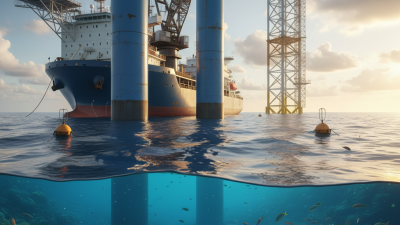
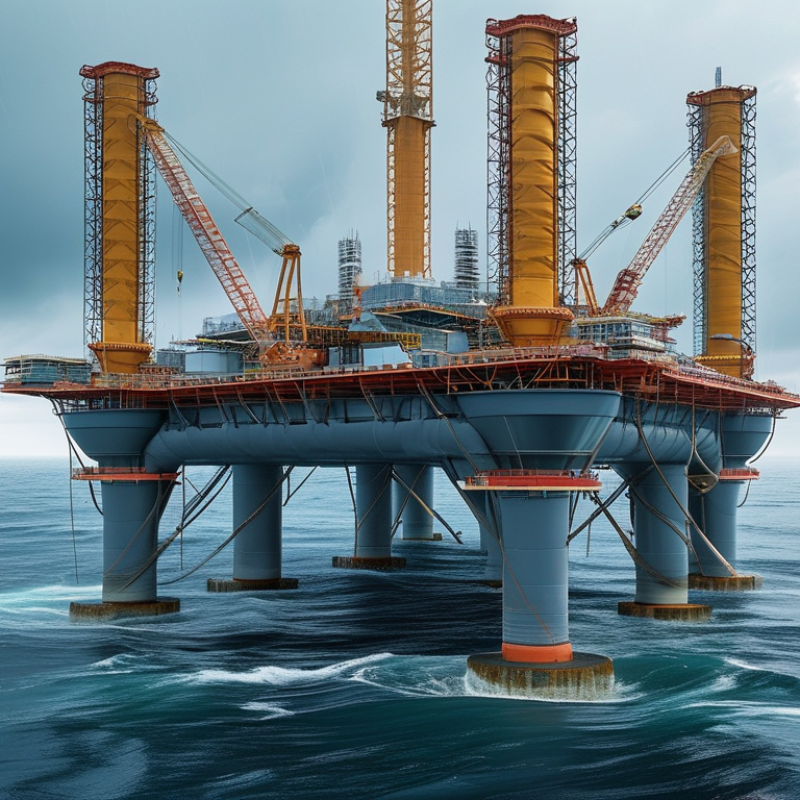
Offshore piles play a crucial role in marine construction projects. These are long, cylindrical structures driven deep into the seabed. Their primary purpose is to support offshore platforms, wind turbines, and other structures. They provide stability in the unpredictable marine environment. Without them, many projects would fail to withstand harsh conditions like waves and corrosion.
Understanding offshore piles requires knowledge of their design and installation. Typically made from steel or concrete, they are engineered to bear heavy loads. The installation process involves driving the piles into the seabed. This method can be challenging due to underwater conditions. Precision is vital, but sometimes piles encounter unexpected resistance. Proper planning is essential, yet unforeseen complications can arise, highlighting the need for adaptability in the field.
The efficacy of offshore piles often stems from their ability to distribute weight evenly. This minimizes the risk of failure. Engineers must consider factors like soil characteristics and environmental impact. Sometimes the data available are insufficient. Therefore, ongoing research and testing are necessary. Each project may present unique challenges that require innovative solutions. Creating reliable offshore foundations is not always straightforward, and there is always room for improvement.
Types of Offshore Piles Utilized in Marine Construction
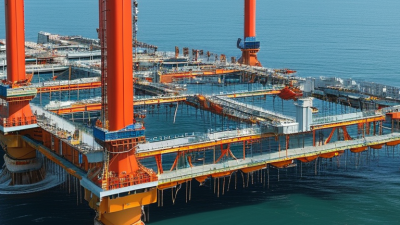
Offshore piles are essential in marine construction, providing stability and support for structures built over water. These piles are driven deep into the seabed, anchoring facilities such as wind turbines, oil platforms, and bridges. The choice of pile type can significantly affect the strength and durability of the construction.
There are several types of offshore piles, each with unique features. Concrete piles are favored for their robustness and resistance to corrosion. Steel piles, known for their strength-to-weight ratio, offer flexibility and adaptability in various environments. Another option is composite piles, which combine materials to enhance performance in specific marine conditions.
Selecting the right pile type requires careful consideration of factors such as soil composition and water depth. While engineers often rely on established methods, unexpected challenges can arise. For instance, variations in seabed geology can compromise a pile's effectiveness. Testing and adjusting designs during construction can minimize these risks. Understanding these complexities ensures better outcomes in marine projects.
The Installation Process of Offshore Piles: A Step-by-Step Guide
The installation of offshore piles is a critical process in marine construction. It begins with site preparation, where surveyors evaluate the seabed conditions. Accurate data on soil type and underwater topography is essential. This information influences the choice of pile type and installation method. Precision at this stage can prevent future complications.
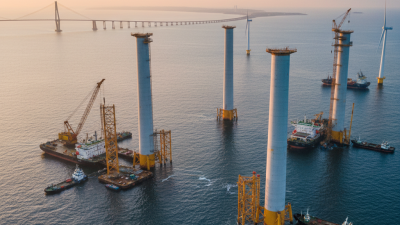
Next, the chosen piles are transported to the installation site. Heavy machinery, such as barges and cranes, are utilized for this. Workers ensure that each pile is positioned correctly. They often face challenges with underwater visibility and turbulent conditions. Each obstacle requires careful planning and skilled teamwork.
Once the piles are in place, they must be driven into the seabed. This step involves the use of hydraulic hammers or vibratory drivers. Monitoring pressure and noise during installation is vital. Incorrect driving can lead to structural issues. Workers often find themselves reflecting on the importance of meticulous execution.
The final phase includes testing the piles for stability. Load tests confirm their performance under various conditions. It's not uncommon to encounter unexpected results, prompting a need for adjustments. Each installation provides valuable lessons for future projects.
How Offshore Piles Provide Structural Support in Marine Environments
Offshore piles play a crucial role in marine construction. They offer strong structural support for platforms, bridges, and wind farms. These piles embed deep into the seabed, anchoring structures against harsh ocean forces. Specialized equipment is used for installation, ensuring precision and stability amidst challenging marine conditions.
Constructed from reinforced concrete or steel, offshore piles can withstand corrosion and heavy loads. Their design considers the unique marine environment, including soil type and water depth. Engineers must account for tidal changes and wave action when planning. This complexity makes every project unique and requires a tailored approach.
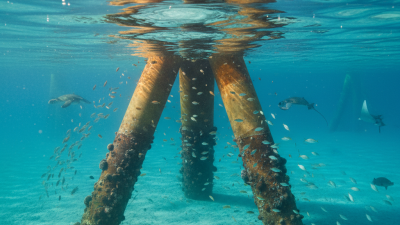
Despite their benefits, challenges arise. For example, pile installation can disrupt marine life. Miscalculations may lead to inadequate support, endangering structures. These issues highlight the need for ongoing research and innovation in offshore engineering. Continuous improvement is essential to minimize environmental impact while maximizing stability and resilience.
Factors Influencing the Design and Performance of Offshore Piles
The design and performance of offshore piles are influenced by various critical factors. Soil conditions play a pivotal role. The type of soil impacts the load-bearing capacity significantly. For instance, reports show that cohesive soils can provide better resistance than granular soils. The depth of the pile in the ground also matters. Studies suggest that longer piles generally offer enhanced stability.
Environmental conditions are another vital consideration. Wave action, currents, and tidal movements can affect pile stability. The Marine Environmental Research Journal states that high-energy environments require tailored designs for durability. Moreover, the material selection impacts performance. Steel and concrete have their pros and cons. At times, the choice between the two can be a point of contention among engineers.
Finally, installation techniques cannot be overlooked. The method used can affect the pile's alignment and load distribution. Misalignment during driving can lead to long-term issues in stability. Moreover, insufficient monitoring during the installation process may result in unnoticed flaws. There are ongoing debates in the industry about best practices for ensuring optimal performance. These factors identify some areas requiring deeper reflection in offshore pile design and implementation.