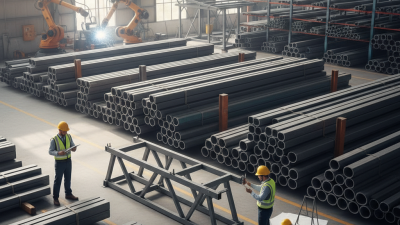
Choosing among the 7 Best Helical Piles for Global Buyers requires more than comparing prices, diameters, or advertised load ratings. Soil conditions change sharply between coastal sands, expansive clays, loose fills, and frozen ground. Transportation limits, corrosion exposure, installation access, and local engineering approval also matter.
The Federal Highway Administration’s technical guidance on Helical Piles and Anchors emphasizes torque monitoring, load verification, and documented installation records. ICC-ES AC358 also highlights requirements for corrosion protection, structural capacity, and quality control. These references support a practical point: performance depends on the complete system, not the steel shaft alone. Market research from Grand View Research and Research and Markets also identifies infrastructure renewal, modular construction, and rapid foundation installation as important demand drivers. However, market forecasts are not design evidence. They should not replace geotechnical investigation.
Howard A. Perko, author of Helical Piles: A Practical Guide to Design and Installation, stresses that “installation torque is an important indicator of pile capacity.” That principle deserves caution. Torque readings can be affected by equipment, soil disturbance, and operator technique. A reliable product therefore needs traceable steel grades, published capacities, field records, and responsive technical support. The best option may not be the strongest one. It may be the pile that reaches the required depth beside a narrow wall, with measurable installation data and fewer surprises. No ranking is perfect. Global buyers should still verify local soil data, design assumptions, and approval requirements before purchasing.
7 Best Helical Piles for Global Buyers?
What Are Helical Piles and How Do They Support Foundations?
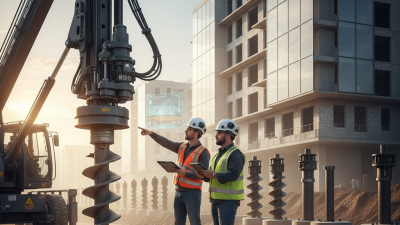
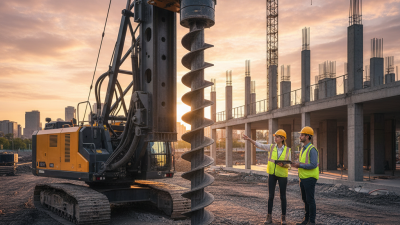
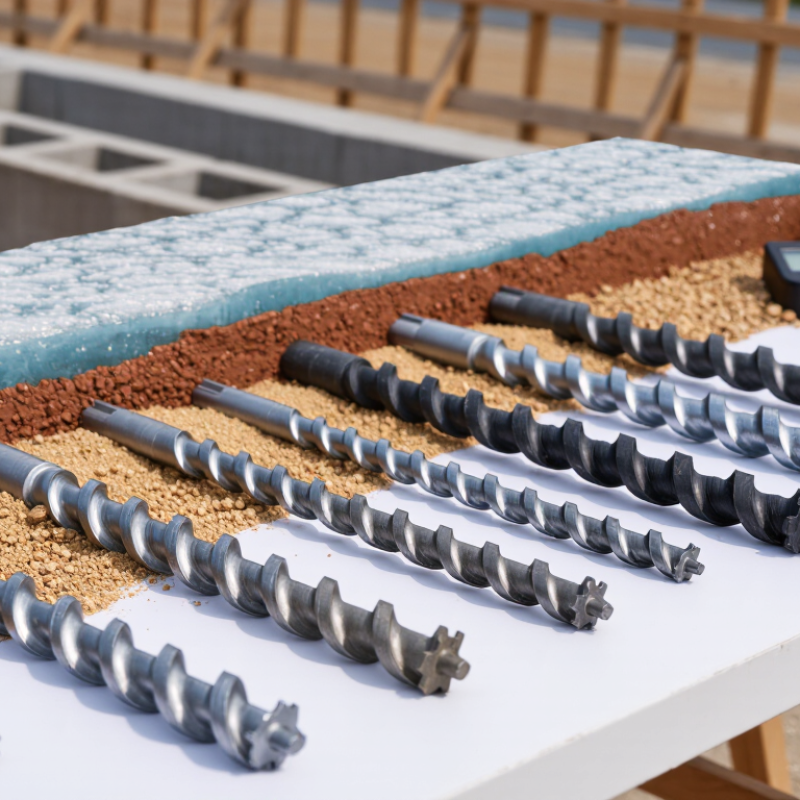
Helical piles are steel shafts with spiral plates welded near their tips. Crews rotate them into soil using hydraulic equipment. The plates act like screws, reaching stable bearing layers below weak surface soil. This method can support homes, decks, bridges, and lightweight industrial structures. It also creates little vibration and produces limited spoil during installation.
Load capacity comes from the helix plates, shaft friction, and surrounding soil strength. The pile can resist compression, uplift, and some lateral movement when designed correctly. Engineers usually review soil reports, groundwater, corrosion exposure, structural loads, and required installation depth. Torque readings can provide useful field evidence, but torque alone is not a complete design method. That detail is easy to overlook.
Global buyers should compare shaft diameter, steel grade, plate spacing, protective coating, and connection quality. Local standards and soil conditions may change the preferred configuration. A pile suitable for dense sand may perform poorly in soft clay. Coastal sites need special corrosion assessment. Installation access matters too. Narrow equipment may be essential in existing buildings or crowded urban areas.
A strong selection process includes verified calculations, documented installation records, and qualified inspection. The cheapest option can create expensive corrections later. I would still question any catalogue capacity without project-specific soil data. Field conditions rarely behave perfectly.
Seven Leading Helical Pile Types for Different Ground Conditions
Choosing among seven helical pile types requires more than checking the design load. Soil layers, groundwater, access, and installation torque all affect performance. A site investigation remains essential.
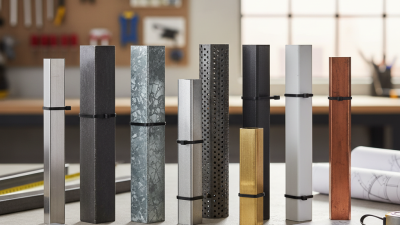
Single-helix piles suit dense, stable soils and lighter compression loads. Multi-helix piles offer greater bearing area in medium soils. Small-shaft piles work well where installation access is limited. Square-shaft piles provide strong resistance in cohesive ground. Round-shaft piles can perform efficiently in loose or variable soils when designed correctly. Tension piles support uplift loads from signs, towers, and lightweight structures. Grouted helical piles add corrosion protection and stiffness in weak or disturbed ground.
Soft clay needs careful helix spacing and settlement checks. Loose sand may require deeper installation until reliable resistance develops. Fill is unpredictable. Designers should not treat it like natural soil. In rocky ground, helical piles may stop early or suffer blade damage, so another foundation method could be more suitable.
A qualified engineer should compare installation torque with load testing and local soil data. Field records matter, including depth, torque, refusal, and groundwater changes. One practical lesson is easy to miss: higher torque does not always mean better capacity. Oversized helices can disturb sensitive soils. Poor alignment can also reduce structural performance. The best selection balances geometry, soil behavior, access, corrosion exposure, and long-term movement, not just the catalog rating.
| No. | Helical Pile Type | Typical Ground Conditions | Key Structural Features | Primary Advantages | Typical Applications | Important Limitations | Buyer Suitability |
|---|---|---|---|---|---|---|---|
| 1 |
Single-Helix Round-Shaft Pile
★★★★☆
|
Medium-dense sand, firm clay, and relatively stable soils with moderate compressive or tensile demands. | A steel shaft fitted with one helical bearing plate near the toe. The helix transfers load to a deeper soil layer during installation. | Simple configuration, comparatively fast installation, low spoil generation, and suitable for light-to-medium structural loads. | Decks, small buildings, signs, fences, solar supports, light industrial structures, and temporary works. | Lower bearing area than multi-helix systems; generally less suitable for high loads or very soft, compressible soils. | A practical choice for small projects where installation speed and a compact foundation footprint are priorities. |
| 2 |
Multi-Helix Round-Shaft Pile
★★★★★
|
Cohesive clay, dense sand, layered soils, and sites requiring greater axial compression or tension resistance. | A round steel shaft with two or more helices spaced along the shaft. Helix spacing is selected to limit interaction between bearing plates. | Higher potential capacity than a single-helix pile, flexible embedment depth, and good performance under compression and uplift. | Residential foundations, commercial structures, retaining walls, utility supports, and wind or solar installations. | Capacity depends strongly on helix diameter, spacing, shaft size, installation depth, and verified soil parameters. | One of the most versatile options for general foundation work and variable ground conditions. |
| 3 |
Square-Shaft Helical Pile
★★★★☆
|
Firm to stiff cohesive soils and granular soils where installation torque and shaft strength must be balanced. | A solid square steel shaft with one or more helices. The shaft is commonly used where relatively high torsional strength is needed for installation. | High torsional resistance, useful installation feedback, and effective load transfer through the helix plates. | Residential underpinning, equipment bases, small commercial foundations, and projects with moderate uplift demands. | Less efficient than hollow shafts for internal reinforcement or grouting; very dense gravel and obstructions may restrict installation. | Suitable for projects needing a robust, solid shaft and reliable torque-based installation control. |
| 4 |
Pipe-Shaft Helical Pile
★★★★★
|
Soft clay, loose to medium sand, fill, and sites where a larger shaft or internal reinforcement is beneficial. | A hollow structural steel pipe fitted with helical plates; the pipe may accommodate reinforcement or grout when required by the design. | Good axial and bending capacity potential, efficient connection options, and adaptability to deeper foundation levels. | New construction, bridge elements, heavy equipment, marine-adjacent work, and high-load foundation systems. | Larger equipment may be required; corrosion protection and internal grouting details must be designed for the exposure environment. | A strong option for higher loads, larger pile groups, and projects requiring structural connection flexibility. |
| 5 |
Underpinning Helical Pile
★★★★★
|
Existing foundations affected by settlement, soft near-surface soils, uncontrolled fill, or changes in structural loading. | Usually a compact helical pile assembly installed beside or beneath an existing footing and connected with a steel bracket. | Low vibration, limited excavation, installation in restricted access areas, and immediate load-transfer capability when properly designed. | Foundation repair, settlement correction, wall stabilization, historic-building upgrades, and structural additions. | Requires careful assessment of the existing structure, bracket geometry, corrosion exposure, and load-transfer sequence. | Particularly suitable where conventional underpinning would require extensive excavation or cause unacceptable disruption. |
| 6 |
Helical Tieback or Anchor Pile
★★★★☆
|
Stable competent soil behind retaining walls, slopes, excavations, and structures subjected to lateral movement or uplift. | A helical shaft with bearing plates installed at an angle or horizontally to develop tensile resistance in the surrounding soil. | Efficient resistance to pullout, relatively quiet installation, and useful performance where excavation space is limited. | Retaining walls, excavation support, slope stabilization, basement walls, utility structures, and uplift restraint. | Requires sufficient bond length and competent soil beyond the potential failure surface; corrosion and drainage must be addressed. | Best for projects dominated by tension, lateral stabilization, or overturning rather than vertical compression alone. |
| 7 |
Rock-Socketed or Rock-Adapted Helical Pile
★★★★☆
|
Sites with shallow bedrock, weathered rock, dense glacial deposits, or refusal layers near the planned installation depth. | A reinforced helical system or specialized lead configuration designed to transfer load through suitable bearing soil or a prepared rock interface. | Can reduce dependence on long deep shafts where competent bearing material is shallow and may simplify installation compared with drilled foundations. | Mountainous sites, rock-overburden conditions, industrial supports, access platforms, and selected retrofit foundations. | Standard helices are not intended to drill through solid rock; rock strength, interface behavior, drilling refusal, and equipment limits require site-specific design. | Appropriate only after geotechnical investigation confirms that the selected system is compatible with the rock or dense bearing layer. |
Note: Actual capacity, embedment depth, helix dimensions, shaft size, corrosion protection, and installation torque must be determined from a geotechnical investigation, structural design, applicable local standards, and field verification. Ground-condition descriptions are general selection guidance rather than project-specific design values.
Choosing the seven “best” helical piles depends on soil, load, and exposure. Single-helix piles suit lighter structures and dense soils. Multi-helix piles improve bearing in softer ground. Square-shaft piles resist installation torque well. Round-shaft piles can perform better under bending. For higher loads, use larger shafts and wider helices. However, torque alone cannot prove capacity. Field load testing remains more reliable. ICC-ES AC358 requires documented testing, design calculations, and quality controls for helical pile systems.
Materials change long-term value. Hot-dip galvanized steel is practical for many inland projects. Epoxy systems may help, but scratches can expose bare steel during installation. Stainless steel offers stronger corrosion resistance, yet its cost can be difficult to justify. The NACE IMPACT study estimated global corrosion costs at 2.5 trillion dollars annually, or 3.4% of global GDP. That figure makes corrosion planning impossible to ignore. ISO 9223 classification can help compare atmospheric exposure, but buried soil conditions need separate investigation.
Tips: Request a geotechnical report before selecting pile size. Ask for certified steel grades, coating thickness, and installation records. Compare tested ultimate capacity, not only advertised working loads. Check groundwater chemistry, chlorides, sulfates, and soil resistivity. A small detail matters: damaged coating near the shaft head can become the first failure point. I would also question very high torque claims without independent verification. Retrofits sometimes reveal that the cheapest pile was not the lowest-cost decision.
Residential projects usually suit small-diameter square-shaft helical piles. They install beneath porches, extensions, and light timber walls with limited vibration. A 2023 U.S. housing report recorded continued growth in renovation spending, increasing demand for low-disruption foundation repairs. Helical piles help where access is narrow. They also work well in soft fill, but only after soil investigation. My practical caution is simple: torque alone cannot replace a geotechnical assessment.
Commercial projects often require round-shaft piles, multi-helix configurations, or tension piles. These options support heavier columns, signs, retaining structures, and uplift-resistant canopies. The Federal Highway Administration links installation torque with capacity control, but stresses project-specific calibration. Designers should verify results through load testing. ICC-ES AC358 also evaluates helical foundation systems for structural capacity, corrosion resistance, and installation procedures. That matters for a 50-year design target. Soil chemistry can still change the decision.
Industrial work demands stronger systems. Large round shafts, battered piles, and piles with multiple extensions suit warehouses, solar structures, pipe racks, and equipment bases. Dense gravel may require predrilling or a different foundation method. Seven practical categories include square-shaft, round-shaft, tension, compression, battered, multi-helix, and corrosion-protected piles. Selection should compare axial load, lateral force, uplift, groundwater, and access limits. The overlooked detail is installation quality. A perfect calculation can fail after poor alignment, damaged galvanizing, or an unverified torque reading.
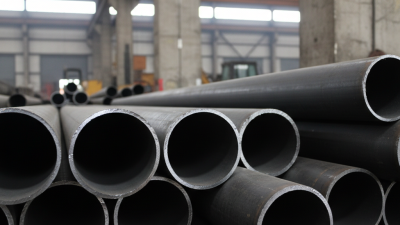
The best helical pile is not simply the strongest-looking option. Global buyers should match pile diameter, helix spacing, shaft thickness, and steel grade to the project’s soil and load requirements. Ask for verified load tables, manufacturing tolerances, welding procedures, and corrosion protection details. A pile designed for dense clay may perform poorly in loose sand or fill.
Request a complete technical package before ordering. It should include drawings, material certificates, installation torque guidance, testing records, and packing dimensions. Check whether the supplier understands your local foundation standards and can provide documents in clear English. Confirm thread sizes, coupler fit, extension lengths, and allowable manufacturing variation. Small mismatches can delay installation. That is expensive.
Tips: Compare at least three technical quotations, not only prices. Ask for soil-test assumptions and a written design basis. Inspect sample welds or request independent testing when the project is critical. Confirm export packaging, moisture protection, spare components, and delivery terms. A factory may promise fast production, yet port congestion can change the schedule. I have seen buyers overlook this. The lesson is uncomfortable but useful: a low unit price can hide engineering gaps, weak traceability, or unsuitable corrosion protection. Check the actual steel certificate, not just a brochure.