What Are Helical Piles and Their Benefits for Construction?
Helical piles are a notable innovation in the construction industry. As an expert in foundation engineering, Dr. Emily Carter mentions, "Helical piles provide a reliable solution for challenging soil conditions." This technique involves screw-like steel shafts that are engineered to anchor structures securely. They are particularly beneficial in areas with unstable or shifting ground.
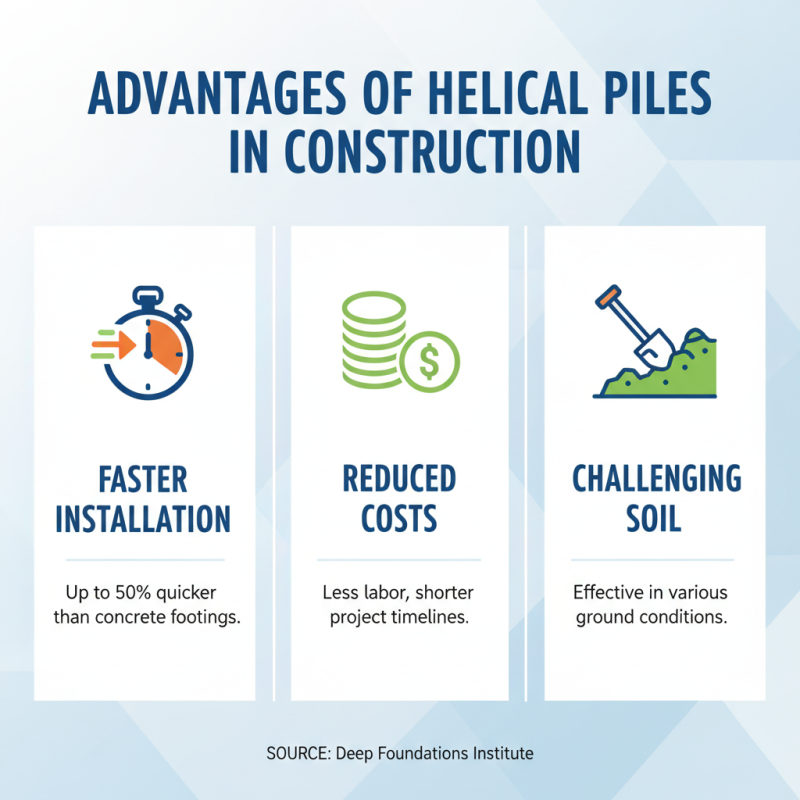
The installation of helical piles is often quicker than traditional methods. This can lead to reduced labor costs and faster project completion. Moreover, these piles create minimal disturbance to the surrounding environment, a critical factor in urban construction. However, some challenges remain in soil assessment, which is crucial for their effectiveness.
Despite their advantages, helical piles require careful planning and expertise. Not all sites are ideal for this type of foundation. Understanding local soil characteristics is essential. Investing time in this assessment can mitigate risks and enhance the benefits of using helical piles.
Understanding Helical Piles: Definition and Composition
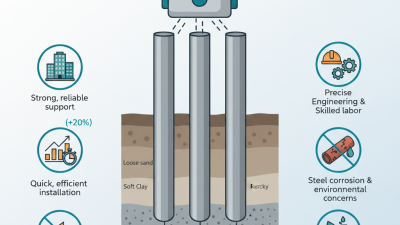
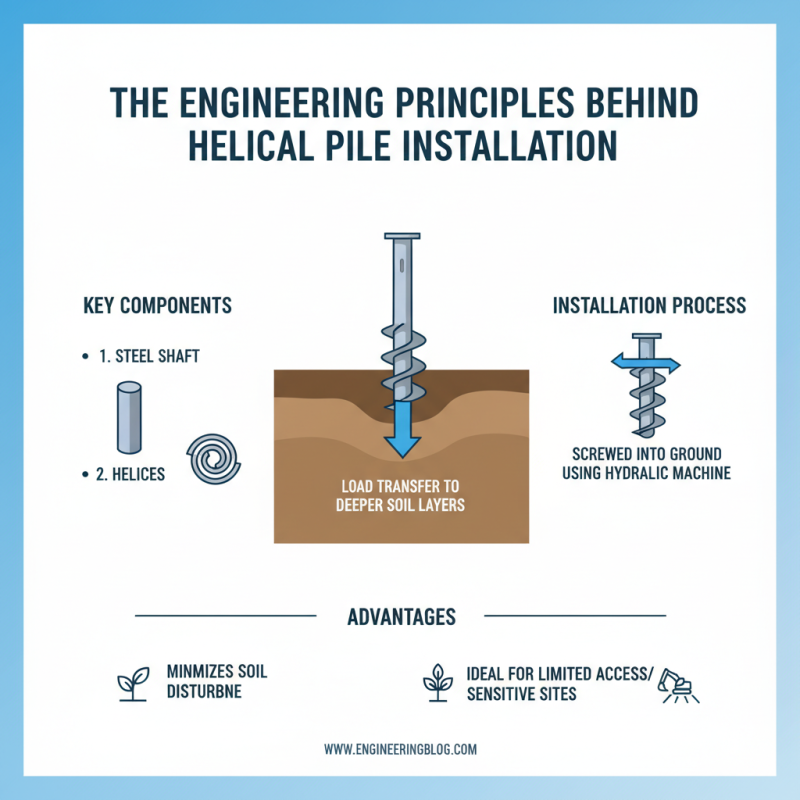
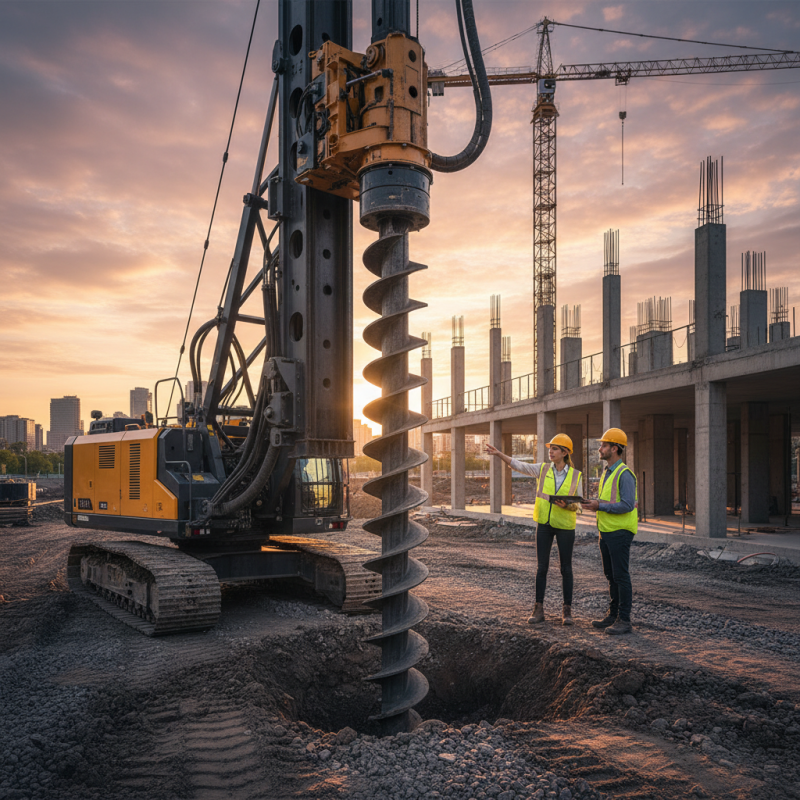
Helical piles are a critical component in modern construction. These foundation elements are designed as steel shafts with helical plates attached. They are screwed into the ground, providing excellent support for various structures. What makes helical piles unique is their ability to transfer loads deep into stable soil layers, ensuring enhanced stability.
The composition of helical piles primarily includes high-strength steel. This material choice ensures durability and longevity, even in challenging conditions. The helical blades allow for easy installation, reducing the noise and disturbance typically associated with traditional piling methods. However, improper installation can lead to issues like inadequate load-bearing capacity. It’s essential that trained professionals handle the installation process to avoid future complications.
In many cases, helical piles are a preferred alternative to concrete or traditional piles. They are effective in both compressive and tensile load applications. The versatility of helical piles allows them to be used in various soil types, including clay, silt, and sand. However, not all projects require helical piles, making it crucial to assess the specific site conditions thoroughly. A deeper understanding of these factors can ultimately influence construction decisions.
Advantages of Using Helical Piles in Construction Projects
Helical piles offer numerous advantages in construction projects. These deep foundation solutions can be installed quickly and efficiently, even in challenging soil conditions. According to the Deep Foundations Institute, helical piles can be installed up to 50% faster than traditional concrete footings. This speed reduces labor costs and minimizes project timelines.
One pivotal benefit of helical piles is their load-bearing capacity. Reports indicate that helical piles can support loads exceeding 50 tons, depending on design and soil conditions. Their ability to transfer loads through friction makes them suitable for a variety of applications, from residential to commercial structures. Additionally, helical piles are environmentally friendly. They disturb the soil less than traditional methods, leading to reduced site contamination.
Despite their benefits, there are considerations to weigh. The cost of helical piles may be higher than traditional foundations in some regions. Not all projects may require the unique advantages of helical piles, especially in stable soil conditions. Moreover, the installation requires skilled operators to ensure optimal performance. Understanding these factors can guide informed decisions in construction planning.
Applications of Helical Piles Across Various Industries
Helical piles are increasingly vital across various industries. Their unique design allows for significant load-bearing capacities, making them useful in diverse applications. In construction, they stabilize structures in unstable soil. They prevent settlement and enhance safety.
In the energy sector, helical piles support wind turbines and solar arrays. Their installation is quick, often done without heavy machinery. This minimizes environmental disruption. Moreover, they are effective in various soil conditions, from clay to sandy loam.
Infrastructure projects also benefit from helical piles. They provide a reliable foundation for bridges and retaining walls. However, their effectiveness depends on proper design and site assessment. Ensuring accurate measurements and load calculations is crucial. Projects that overlook these details may face challenges later.
Helical Piles Applications Across Various Industries
This bar chart illustrates the number of applications of helical piles across different industries, highlighting their significant role in construction, energy sectors, bridging projects, and commercial and residential developments.
Comparing Helical Piles to Traditional Foundation Solutions
Helical piles are gaining attention for their unique benefits in construction. Unlike traditional foundations that rely on excavation and concrete, helical piles are installed by rotating into the ground. This means that projects can start immediately, saving both time and costs. According to the Deep Foundations Institute, helical piles can have load capacities ranging from 10 to 400 kips, depending on soil conditions. Their adaptability makes them suitable for various structures, from residential homes to large commercial buildings.
When comparing helical piles to traditional solutions, several factors emerge. Traditional foundations often require extensive groundwork, leading to longer project timelines. Reports suggest that using helical piles can reduce installation time by up to 50%. Additionally, helical piles minimize soil disturbance, which can be crucial in urban settings. However, challenges do exist; some contractors may lack sufficient experience, leading to inconsistent performance.
It's also essential to understand the cost implications. While helical piles may have higher upfront costs in some instances, they often reduce the overall project budget due to lower labor and machinery expenses. A study by the Foundation Performance Association indicates that helical piles can offer overall project savings of up to 30% when considering long-term performance. Emphasizing the importance of contractor expertise, ensuring proper installation is vital to realizing these benefits fully.