How to Find Top China Square Tube Manufacturers?
Finding top China Square Tube manufacturers requires more than comparing prices. The strongest candidates show process control, material traceability, and consistent delivery records. Look deeper.
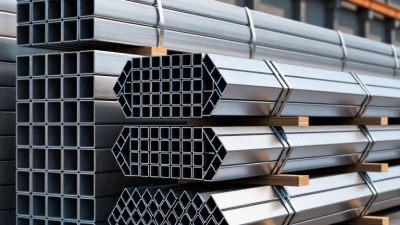
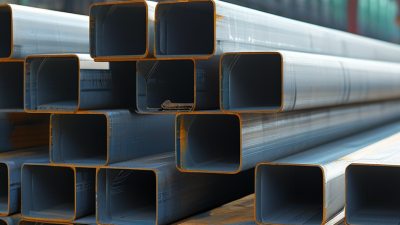
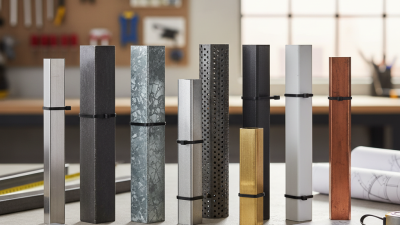
Ask for mill test certificates, production photos, welding procedures, and recent inspection reports. Confirm whether the factory makes welded or seamless tubes. Check carbon steel, galvanized, stainless, or custom grades. Dimensions matter. So do wall thickness, corner radius, tolerances, surface finish, and length accuracy.
W. Edwards Deming, a respected manufacturing-quality authority, said, “Quality comes not from inspection, but from the improvement of the production process.” This principle fits Square Tube sourcing. A reliable supplier prevents defects through calibrated forming lines, controlled welding, and documented testing. Ask how operators manage coil changes, weld alignment, and batch segregation. Request a sample before placing a large order. Measure it yourself, if possible.
Visit the facility, or arrange a live video audit. Look for organized storage, labeled bundles, functioning gauges, and clear safety practices. A polished website proves little. Export experience also deserves careful checking. Confirm packaging standards, loading methods, Incoterms, payment terms, and response time. Independent inspections can reveal problems that factory documents miss.
No supplier is perfect. Even a capable manufacturer may struggle with unusual specifications or sudden raw-material changes. Your shortlist should balance equipment, communication, certifications, production capacity, and corrective-action speed. Compare evidence, not promises. The best choice is rarely the cheapest quote; it is the factory that can repeat the required quality shipment after shipment.
Define Your Square Tube Specifications and Purchasing Needs
Before contacting China square tube manufacturers, define the tube you actually need. State the outside dimensions, wall thickness, length, steel grade, and permitted tolerance. A request such as “40 x 40 tube” is incomplete. Specify whether those measurements are in millimeters and whether the wall thickness is nominal or minimum.
Think about the finished application. Will the tube support a frame, carry fluid, or face outdoor moisture? Mention load conditions, welding requirements, surface treatment, and cutting needs. For example, a buyer may require 40 x 40 x 2 mm tubes, six meters long, with clean square corners and galvanized protection. Include the quantity, delivery location, packaging method, and target purchasing schedule. Small details affect production planning and quotations.
I once underestimated the effect of tolerance on assembly. The tubes looked correct, but several joints needed extra adjustment. That mistake was avoidable.
Ask manufacturers for dimensional inspection records, material certificates, sample approval, and production photos. Confirm how they measure corner radius, straightness, and wall thickness. Request a trial order before committing to large volumes.
Keep the specifications in one controlled document, because changing a detail through scattered messages creates confusion.
Be realistic about “perfect” surface quality; some marks may occur during bundling and transport. Define acceptable imperfections in advance, and ask how rejected pieces are handled.
Identify China’s Main Square Tube Manufacturing Regions
How to Find Top China Square Tube Manufacturers?
China’s main square tube manufacturing regions reflect different production strengths.
Tianjin and nearby Hebei contain large welded-steel pipe clusters. These areas often offer carbon steel square tubes, structural sections, and high-volume production. Their factories usually connect closely with coil processors, galvanizing plants, and logistics networks. Ask about steel grade, wall-thickness tolerance, weld inspection, and monthly capacity.
Jiangsu, especially around Wuxi, has strong stainless steel and precision tube production. Manufacturers there commonly serve equipment, construction, and architectural applications. Foshan in Guangdong is another important stainless steel center, with many facilities offering polished, brushed, or decorative finishes. Zhejiang also supports smaller and medium-sized tube producers, often with flexible dimensions and custom cutting. The regional label helps, but it never proves factory quality.
During supplier checks, request mill test certificates, recent dimensional reports, and photographs of bundled tubes. Compare corner radius, straightness, surface condition, and actual weight against the quotation. A sample should reveal uneven welding, dents, or inconsistent coating quickly. I would not rely only on online rankings; some listings become outdated. A regional shortcut can mislead. Production records, inspection methods, and clear communication matter more than a polished website. Even experienced buyers can miss small tolerance problems when the order contains several sizes.
Verify Manufacturer Qualifications, Equipment, and Production Capacity
How to Find Top China Square Tube Manufacturers?
A reliable supplier should provide verifiable business qualifications before discussing price. Request registration details, quality certificates, export records, and recent inspection reports. Check whether the legal company name matches its contracts and bank documents. A certificate alone can mislead. Confirm its issuing body and validity date through independent channels.
Visit the production site when possible, or request a live video inspection. Look for coil storage, forming mills, welding lines, sizing equipment, and automatic cutting systems. Ask how operators control wall thickness, corner radius, and surface defects. Calibrated micrometers and ultrasonic testing equipment show stronger process discipline. Look closely. Photos may show old equipment that is no longer operating.
Production capacity needs evidence, not impressive claims. Request monthly output, current orders, standard lead times, and shift arrangements. Compare these figures with the number of forming lines and finishing stations. A factory producing several sizes may still lack capacity for your exact specification. Ask for sample test reports covering dimensions, chemical composition, tensile strength, and weld quality. Confirm batch traceability from raw coil to final bundle. Numbers matter. Do not guess. A practical audit may reveal small gaps, such as inconsistent labeling or delayed calibration records. These issues are not automatic reasons to reject a manufacturer, but they deserve written corrective actions and another check before a large order.
How to Find Top China Square Tube Manufacturers?
Verify manufacturer qualifications, production equipment, and capacity by checking documented compliance with recognized hollow-section standards.
The chart compares minimum yield-strength requirements for commonly specified structural hollow-section grades.
When evaluating a manufacturer, request test certificates confirming the selected standard and grade, verify welding and forming equipment,
and review production records or capacity evidence that matches your required size, wall thickness, and volume.
Compare Materials, Standards, Pricing, and Customization Options
Choosing a China square tube manufacturer requires more than comparing catalog prices. Start with the material grade and application. Carbon steel grades such as Q235 suit general frames, while Q345 offers higher strength. Stainless steel grades 304 and 316 resist corrosion in different environments. Ask for heat numbers, mill certificates, and chemical test results. A polished sample means little without traceable records.
Standards also affect reliability and cost. Confirm whether the factory follows GB/T, ASTM A500, EN 10219, or another required specification. Check outside dimensions, wall thickness, corner radius, straightness, and weld quality. Request inspection reports for every production batch. Independent inspection can expose problems early. It is not always necessary, but skipping it may be expensive. I have seen buyers focus on length while overlooking wall tolerance.
Pricing depends on steel weight, order volume, surface treatment, tooling, packaging, and delivery terms. Compare equivalent quotations, not just the lowest number. A quotation should state grade, size, tolerance, finish, quantity, and inspection scope. Custom options may include precise cutting, drilling, galvanizing, powder coating, or special lengths. Ask for a trial order before committing to large production. Small errors become costly quickly. Also review the manufacturer’s equipment, production capacity, export experience, and response quality. If answers remain vague, treat that as useful evidence. Your specification may also need revision after sampling; that is normal, not failure.
Evaluate Samples, Quality Control, Communication, and Delivery Terms
How to Find Top China Square Tube Manufacturers?
A reliable evaluation starts with physical samples, not catalog images. Request several sizes, wall thicknesses, surface finishes, and cut lengths. Measure outside dimensions, corner radius, wall thickness, straightness, and weld quality with calibrated tools. Ask for mill certificates and test reports covering chemical composition, yield strength, tensile strength, and elongation. ISO’s 2022 survey recorded 1,265,216 ISO 9001 certificates worldwide, but certification alone does not prove consistent tube quality. Inspect the actual production process.
Quality control should include incoming coil inspection, in-process dimensional checks, weld monitoring, and final sampling. Ask for the inspection plan, acceptance limits, traceability method, and nonconformance procedure. A factory should explain these details clearly. Vague answers are warning signs. Also check whether samples match mass production. They sometimes do not. That gap deserves attention.
Communication affects delivery as much as manufacturing capacity. Record specifications in one controlled document, including tolerances, packaging, labeling, inspection frequency, and approval stages. The World Bank’s 2023 Logistics Performance Index evaluates customs, infrastructure, shipment arrangements, tracking, and timeliness. Discuss each factor with the manufacturer before ordering. Confirm production lead time, loading port, export documents, and responsibility under the selected Incoterm. Request milestone updates with photographs and inspection records. A low price can become expensive when unclear terms cause rework, storage, or delayed installation.