Leave Your Message

How to Choose the Right Offshore Wind Monopile Supplier?

Choosing the right Offshore Wind Monopile supplier can determine whether a project stays on schedule, within budget, and technically secure. The decision reaches far beyond steel price or production capacity. It involves design experience, welding quality, coating performance, certification, logistics, and long-term cooperation.

Henrik Stiesdal, a pioneer of modern offshore wind, has observed, “The offshore wind industry is still in its infancy.” That reminder matters when evaluating suppliers. Even experienced manufacturers can face unexpected problems, including plate shortages, dimensional deviations, coating damage, or port restrictions. A polished brochure cannot reveal everything.

This guide examines the practical signals behind a reliable supplier. It considers monopile diameter, wall thickness, steel grades, fabrication tolerances, and transition-piece integration. It also reviews quality-control systems, non-destructive testing, traceability, and independent certification. Small details matter. A missed weld record can delay installation offshore.

Buyers should request evidence, not broad promises. Useful evidence includes completed projects, production photographs, inspection reports, delivery statistics, and references from developers or installation contractors. Financial resilience also deserves attention, because fabrication programmes may extend across several years.

The cheapest quotation may not be the lowest-cost option. Delays, repairs, storage, and vessel standby can quickly change the calculation. Yet, supplier selection is rarely perfect. Project data may be incomplete, and forecasts can prove optimistic. A careful buyer should record assumptions and challenge them openly.

The strongest Offshore Wind Monopile supplier combines engineering depth with honest communication. It understands factory limits, offshore conditions, and the consequences of small mistakes. Most importantly, it can demonstrate consistent performance under demanding project conditions.
How to Choose the Right Offshore Wind Monopile Supplier?

Define Offshore Wind Monopiles and Their Project Requirements

How to Choose the Right Offshore Wind Monopile Supplier?

Define Offshore Wind Monopiles and Their Project Requirements

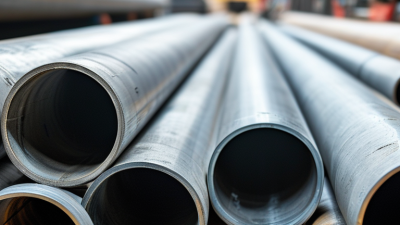
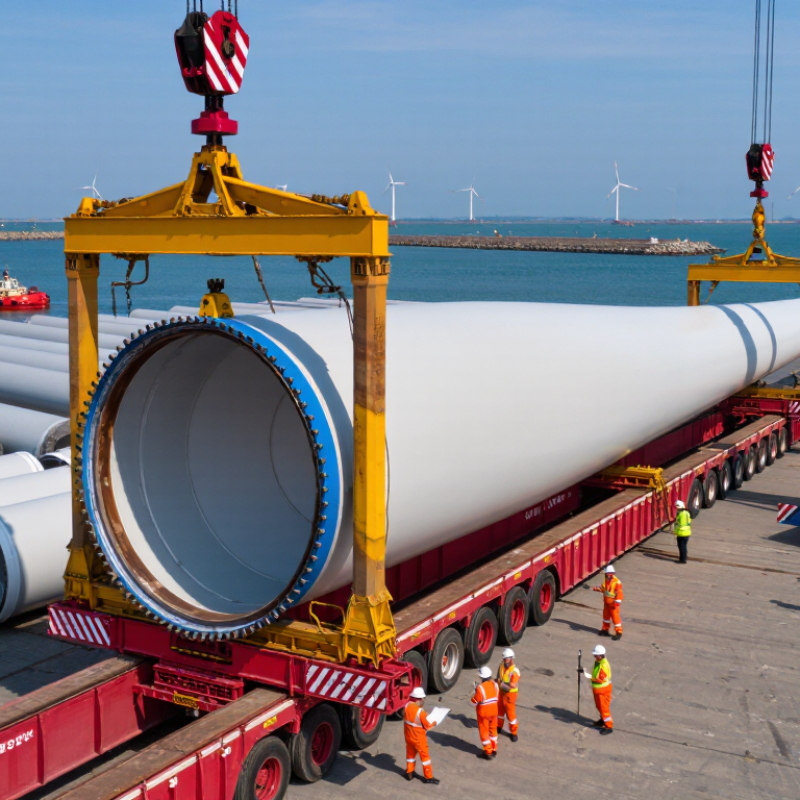
An offshore wind monopile is a large steel tubular foundation supporting a turbine and transition piece. It transfers wind, wave, and turbine loads into the seabed. Installation usually involves driving the pile into prepared marine soil. Scale is accelerating. The Global Wind Energy Council’s Global Offshore Wind Report 2024 recorded 10.8 GW of new offshore capacity in 2023. IRENA’s Renewable Capacity Statistics 2024 listed 72.3 GW of offshore wind capacity worldwide at year-end.

Project requirements begin with the seabed, not the supplier’s catalogue. Geotechnical surveys define soil resistance, pile penetration, scour risk, and possible refusal layers. Water depth, turbine rating, wave height, and installation vessel limits shape the monopile diameter and wall thickness. Corrosion allowances must reflect salinity, coating systems, and the intended service life. Fabrication tolerances also matter. Small deviations can complicate transition-piece installation offshore.

A capable supplier should explain its design assumptions clearly. Request calculation records, weld procedures, inspection plans, and traceable steel documentation. Production capacity must match the installation schedule, including rolling, welding, coating, storage, and port handling. Standards such as DNV-ST-0126 and ISO 19902 can support consistent engineering decisions. However, compliance alone is not enough. Early soil data may be incomplete. Assumptions can fail. The better supplier identifies uncertainty, proposes testing, and updates the design before steel cutting begins.
Assess Supplier Experience, Manufacturing Capacity, and Certifications

Choosing the right offshore wind monopile supplier requires more than comparing prices. Experience should be measured through completed projects, not years in business. Ask for references involving similar monopile diameters, steel grades, coating systems, and installation conditions. Review welding records, non-destructive testing reports, and responses to previous production problems. A polished case study may not reveal every delay.

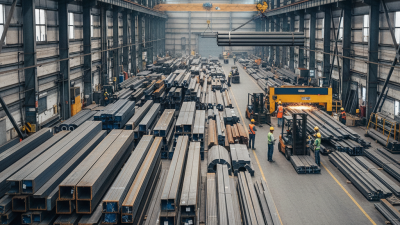
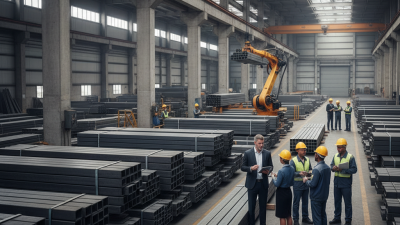
Manufacturing capacity must match your schedule and technical requirements. Inspect the fabrication yard, plate storage areas, welding stations, coating halls, and load-out equipment. Check whether the supplier can produce several monopiles without creating a bottleneck. Confirm its monthly output, heavy-lift limits, port access, and backup plans for equipment failure. Small details matter. A crowded yard can signal trouble.

Certifications support trust, but they do not replace verification. Examine the scope and expiry dates of ISO 9001, ISO 14001, and ISO 45001 certificates. Confirm welding qualifications, coating approvals, inspection procedures, and independent quality audits. Ask who controls document revisions and how non-conformities are closed. Do not accept certificates as automatic proof of competence. They may cover only selected activities. During technical meetings, request realistic production schedules and sample inspection packs. Suppliers that answer difficult questions clearly often deserve closer consideration, although even strong teams can underestimate weather and transport risks.

How to Choose the Right Offshore Wind Monopile Supplier?

Assess supplier experience, manufacturing capacity, and certifications

The indicative qualification benchmark gives equal importance to project experience, production capability, quality management, welding control, and environmental management. Certification references include ISO 9001, ISO 3834-2, ISO 14001, and offshore structural fabrication practices aligned with DNV-ST-0126. The scores are procurement benchmarks, not rankings of named companies.

Compare Steel Quality, Design Support, and Fabrication Standards

Choosing an offshore wind monopile supplier starts with steel quality, not a polished brochure. Request heat numbers, mill certificates, chemical analysis, and Charpy impact results for every plate. Check ultrasonic testing coverage, thickness tolerances, and lamellar tearing controls. Records matter. A low-cost plate can create expensive welding and inspection problems later.

Design support should connect geotechnical data, structural loads, corrosion allowance, and installation limits. An experienced supplier can review pile diameter, wall thickness, transition-piece tolerances, and lifting points before fabrication begins. Ask for calculation procedures and independent design verification. Good support includes practical feedback from production teams, not only desktop engineering. I would still challenge every assumption, especially soil stiffness and hammer performance.

Fabrication standards reveal how a supplier works under pressure. Review its welding procedure qualifications, welder approvals, fit-up controls, and non-destructive testing plan. Standards such as ISO 3834, EN 1090, and relevant offshore design rules can provide a useful framework. However, compliance documents alone do not guarantee consistent workmanship. Inspect weld maps, repair rates, dimensional surveys, and coating records. A supplier should explain deviations openly, including a missed tolerance or delayed inspection. That honesty is imperfect, but it is more reliable than flawless paperwork. Define hold points clearly, from plate cutting to final load-out./

Evaluate Logistics, Installation Services, and Project Coordination

How to Choose the Right Offshore Wind Monopile Supplier?

A reliable monopile supplier should explain the entire delivery route, not only the steel grade. Ask how foundations will move from the fabrication yard to the quayside. Then examine vessel access, port depth, lifting limits, and weather allowances. These details affect installation costs directly. Small delays can disrupt an entire offshore campaign.

Installation support also deserves close attention. Experienced suppliers can provide load-out planning, sea-fastening guidance, and interface data for installation contractors. Request evidence from similar water depths and soil conditions. Technical teams should understand driving energy, pile tolerances, corrosion protection, and transition-piece alignment. Practical knowledge matters here. Paper compliance is not enough.

Project coordination reveals a supplier’s reliability. Clarify who controls drawings, inspection records, change requests, and delivery updates. A shared schedule should connect fabrication, coating, transport, and offshore installation milestones. It should also identify decision owners. Weak communication creates expensive waiting time. I have seen projects overvalue production capacity and underestimate port coordination. That judgment can be wrong. A supplier may produce excellent monopiles but still struggle with changing vessel dates or incomplete interface information. Ask how they handled a previous disruption, including what they would improve now. Honest answers often show more expertise than polished claims.

Review Costs, Contracts, Risk Controls, and Long-Term Support

How to Choose the Right Offshore Wind Monopile Supplier?

Cost is more than the price per tonne of steel. Request a transparent breakdown covering plate material, welding, coatings, testing, storage, and loadout. Compare assumptions, not only totals. A low bid may exclude port handling or weather delays. That omission can become expensive offshore. Ask for evidence from similar projects, including production capacity, delivery records, and nonconformance rates. Inspect the proposed yard before signing, if practical. A clean workshop, traceable weld records, and calibrated inspection equipment matter.

The contract should define steel specifications, dimensional tolerances, inspection points, acceptance criteria, and delivery milestones. Include clear rules for design changes, inflation, delay damages, insurance, and force majeure. Risk controls need ownership. A shared risk register should identify coating failure, fabrication defects, transport damage, and vessel availability. Independent inspection can verify ultrasonic testing, weld repairs, and corrosion protection. Do not accept vague quality language. It creates disputes later.

Long-term support deserves the same attention as fabrication. Confirm warranty periods, response times, technical documentation, and access to replacement materials. The supplier should support installation teams during difficult weather windows. Digital records can help trace each monopile from plate heat number to offshore installation. Still, no control removes every risk. Contingency plans may be underfunded, and forecasts can be wrong. Review the supplier’s financial resilience and subcontractor dependencies. Ask who answers at 2 a.m. when a pile arrives with unexpected distortion.

How to Choose the Right Offshore Wind Monopile Supplier? - Review Costs, Contracts, Risk Controls, and Long-Term Support

Anonymous procurement benchmark for large offshore wind monopiles. Cost figures are indicative 2025–2026 market ranges in USD and should be validated through project-specific technical and commercial quotations.

Supplier Profile Typical Monopile Capacity Indicative Fabrication Cost Typical Lead Time Maximum Practical Diameter Coating and Corrosion Protection Quality and Testing Controls Recommended Contract Structure Typical Payment Profile Key Risk Controls Warranty Position Long-Term Support Overall Assessment
Profile A
Large-scale integrated fabricator
10,000–16,000 tonnes per year USD 2,600–3,300 per tonne, excluding transport and installation 18–26 months from approved production release Up to approximately 12–13 m, subject to plate availability and wall thickness ISO 12944-based marine coating system; splash-zone protection; cathodic protection interfaces EN 1090 or equivalent fabrication controls; 100% visual inspection; ultrasonic testing of critical welds; dimensional surveys; traceable mill certificates Firm-price supply contract with approved escalation formula for steel and energy inputs 10% advance; milestone payments linked to steel receipt, fabrication, inspection, and dispatch Parent-company support; dual plate-mill sourcing; production slot reservation; liquidated damages for late delivery 12–24 months for fabrication defects; coating warranty commonly subject to inspection and maintenance conditions Spare-part support; engineering assistance; inspection documentation archive; optional five-year technical support High
Best suited to multi-unit projects requiring capacity certainty and strong quality systems.
Profile B
Regional heavy-fabrication specialist
5,000–9,000 tonnes per year USD 2,900–3,700 per tonne, excluding major logistics costs 20–30 months Approximately 9–11 m Offshore coating system with weld-zone stripe coating and splash-zone reinforcement Qualified welding procedures; independent inspection and testing agency; ultrasonic and magnetic-particle testing for defined weld categories Target-cost or open-book contract with capped escalation and transparent productivity assumptions 15% advance; monthly progress payments; 10% retention released after final acceptance Independent quality surveillance; factory acceptance hold points; contingency fabrication capacity; documented recovery plan 12 months for manufacturing defects; coating repair obligations normally defined by acceptance criteria Good local engineering response; scheduled inspections; limited global field-service coverage Medium
Competitive for regional projects when logistics and production capacity are carefully verified.
Profile C
Low-cost export-oriented fabricator
8,000–14,000 tonnes per year USD 2,300–3,000 per tonne, excluding import duties, port charges, and inland transport 22–34 months Approximately 10–12 m Standard offshore coating specification; enhanced coating may require a separate purchase order Third-party inspection recommended; weld procedure qualification; ultrasonic testing based on inspection and test plan; dimensional control before shipment Fixed-price contract with clear Incoterms, documentary milestones, and buyer-controlled inspection release 10% advance; 20% after raw-material verification; 60% after production acceptance; 10% after delivery Pre-shipment inspection; performance bond; bank guarantee; independent verification of material origin; logistics buffer 12 months for manufacturing defects; coating warranty dependent on specified surface preparation and application records Remote engineering support; paid site attendance; spare parts and replacement coating materials available by request Medium
Attractive headline price, but logistics, inspection, currency, and schedule risks require stronger controls.
Profile D
Premium engineering-led supplier
4,000–8,000 tonnes per year USD 3,400–4,300 per tonne, excluding installation 18–28 months Approximately 10–12 m Project-specific corrosion-management plan; high-build coating; enhanced splash-zone system; design-life documentation Detailed inspection and test plan; weld mapping; full digital manufacturing records; independent design verification; enhanced fatigue assessment Cost-plus with a guaranteed maximum price or two-stage engineering and supply agreement Engineering milestone payments followed by fabrication milestones; retention held until final dossier acceptance Early design review; fatigue and drivability studies; risk register; formal management-of-change procedure; contingency testing 24 months for manufacturing defects; extended obligations may apply to documented coating-system failures Lifecycle engineering; inspection planning; failure analysis; retrofit advice; technical support during operation High
Strong option for complex ground conditions, large diameters, or demanding certification requirements.
Profile E
Port-based modular fabricator
3,000–7,000 tonnes per year USD 2,800–3,600 per tonne, excluding port handling and heavy-lift charges 16–24 months after design freeze Approximately 8–10 m Marine coating system applied in controlled workshop conditions; field touch-up procedure required for transport damage Visual, dimensional, ultrasonic, and coating-thickness inspection; port-side final assembly checks; load-out procedure verification Unit-rate contract with guaranteed production windows and separate load-out services agreement 10% advance; 70% linked to fabrication progress; 20% after load-out and document approval Port-access verification; weather downtime allowance; heavy-lift plan; transport route survey; backup crane availability 12 months for fabrication defects; transport and handling damage allocated through separate acceptance provisions Strong load-out and marine coordination support; limited long-term design authority after delivery High
Efficient where the fabrication yard is close to the marshalling port and installation campaign.
Profile F
New-capacity or expanding supplier
1,500–4,000 tonnes per year USD 2,500–3,400 per tonne, subject to commissioning and productivity assumptions 24–36 months Approximately 7–10 m Standard offshore coating package; project-specific qualification may be required before production Increased buyer surveillance; first-article inspection; welding procedure qualification; enhanced non-destructive testing; progressive production audits Early works agreement followed by conditional purchase order and stage-gated full notice to proceed Low advance payment; milestone payments tied to independently verified production output Performance bond; parent guarantee where available; step-in rights; alternate-source qualification; strict production reporting 12 months minimum, with additional remedies negotiated for first-of-kind production risks Support quality depends on retained engineering team; service obligations should be expressly documented Higher risk
Potentially competitive, but should be selected only after capacity, financing, qualification, and schedule validation.
Evaluation guidance: Compare suppliers using the same steel grade, monopile weight, coating specification, Incoterms, transport scope, inspection level, currency basis, and escalation assumptions. Contract reviews should specifically address price adjustment, delay damages, force majeure, change control, inspection hold points, document acceptance, warranty limits, insurance, liability caps, and termination or step-in rights.