Why Choose Galvanized Round Tubing for Your Project Needs?
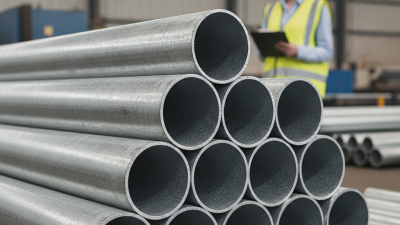
When selecting materials for construction, many factors come into play. One material that consistently stands out is Galvanized Round Tubing. This type of tubing provides robust durability and resistance to corrosion, which is crucial for various projects. Its protective zinc coating significantly extends the lifespan of the metal, making it a reliable choice.
Experts recommend Galvanized Round Tubing for its versatility. It is widely used in structural applications, fencing, and outdoor projects. The lightweight nature of this tubing allows for easy handling and installation. However, careful consideration is needed regarding the specific project requirements. Not all applications benefit equally from its properties.
The value of Galvanized Round Tubing lies in its combination of strength and longevity. Project teams can minimize maintenance costs and enhance safety. Yet, potential drawbacks exist. Over-reliance on any single material without assessing the context can lead to challenges. Therefore, a thoughtful approach is essential in each project decision.
Benefits of Galvanized Round Tubing in Construction Projects
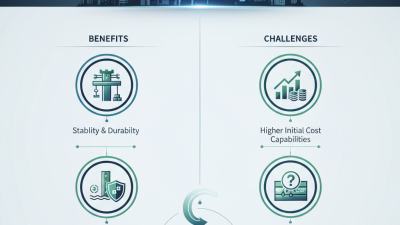
Galvanized round tubing is widely recognized in the construction industry. Its durability and resistance to corrosion make it a popular choice for various applications. This tubing undergoes a galvanization process, which coats the steel with zinc. This coating protects it from rust, especially in harsh environments. For projects exposed to moisture, galvanized tubing is an excellent option.
Moreover, using galvanized round tubing can improve overall project efficiency. Its lightweight nature makes it easier to handle and install. Workers can move and maneuver this tubing without excessive labor. This can lead to time savings on-site. Furthermore, the tubing's strength ensures that it can support substantial loads. This quality is essential for constructing reliable structures.
However, some builders may overlook the long-term benefits of this material. Initial costs might seem higher compared to other options. Yet, the longevity and reduced maintenance can offset these expenses over time. A thorough evaluation of project needs is crucial. Balancing immediate costs and future benefits will help in making the right choice.
Comparison of Galvanized and Non-Galvanized Tubing Options
When choosing between galvanized and non-galvanized tubing, several factors come into play.
Galvanized round tubing undergoes a zinc coating process that enhances its resistance to corrosion. Industry data shows that galvanized steel can last up to
50 years in outdoor environments. This makes it a popular choice for construction and structural projects.
Non-galvanized options, while often cheaper, can corrode quickly when exposed to moisture, leading to costly repairs.
Additionally, the production of galvanized tubing adheres to strict standards set by organizations such as the
American Society for Testing and Materials (ASTM). This ensures consistency in quality. Reports indicate that galvanized tubing
not only meets but often exceeds industry specifications, providing assurance in safety and reliability.
However, the initial cost may deter some projects. Non-galvanized tubing might seem attractive due to lower upfront prices, but it requires more maintenance
and replacement over time.
In practical terms, considering your project's lifespan is crucial. Often overlooked, this factor can impact overall cost-effectiveness.
While galvanized tubing may present a higher initial investment, its longevity can save resources in the long run.
Evaluate your specific needs carefully, weighing the benefits of durability against budget constraints.
Applications of Galvanized Round Tubing in Various Industries
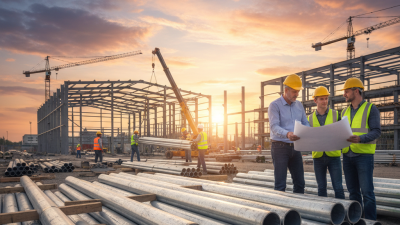
Galvanized round tubing finds extensive applications in various industries, showcasing its versatility and resilience. In construction, it is a preferred choice for scaffolding and framework. The galvanized coating ensures resistance to rust, even in harsh weather. This quality enhances the durability of the structures being built.
In agriculture, galvanized round tubing supports irrigation systems and fencing. Farmers appreciate its strength and ability to withstand outdoor conditions. However, it is important to assess local regulations regarding its use. Misunderstandings can lead to inadequacies in system design.
Manufacturing also relies on this material. It serves as conduits for electrical wiring and plumbing. The smooth surface of galvanized tubing prevents buildup and flow disruptions. Still, sourcing quality materials is crucial. Not all suppliers maintain the same standards, which could impact project outcomes. Regular inspections and testing can help identify potential weaknesses in the material.
Understanding the Corrosion Resistance of Galvanized Tubing
Galvanized round tubing is a popular choice for many projects, especially due to its corrosion resistance. The process of galvanization involves coating steel with zinc to prevent rusting. This protective layer is crucial in outdoor and humid applications. It significantly extends the lifespan of the tubing, allowing it to withstand harsh environmental conditions.
It's important to understand that not all galvanization is equal. Different methods, such as hot-dip galvanization, provide various levels of protection. For some projects, the thickness of the zinc coating matters greatly. Thin coatings may still corrode, especially in high-traffic or industrial areas. Always check specifications to ensure the right type is chosen for your project's needs.
Tips: Always consider the environment where your tubing will be used. If it's exposed to saltwater or chemicals, a thicker coating may be necessary. Regular maintenance can also prolong the life of galvanized tubing. Inspect for wear over time. Addressing small issues early can prevent larger, more costly problems later.
Corrosion Resistance of Different Tubing Materials
Cost-Effectiveness of Galvanized Round Tubing in Long-Term Use
When considering materials for your project, galvanized round tubing stands out for its cost-effectiveness over time. Unlike standard steel, galvanized tubing undergoes a protective coating process. This helps prevent rust and corrosion, significantly extending its lifespan. While the initial investment might be higher, the long-term savings from reduced maintenance and replacements are significant.
Tips: Before purchasing, evaluate the specific environmental conditions your project will face. For instance, areas with high humidity or exposure to chemicals may benefit from galvanized options. Check local guidelines for any restrictions on materials, as regional rules can impact your choices.
The durability of galvanized round tubing translates into fewer repairs and reinvestments. Many projects fail due to inadequate material choices, leading to early deterioration. Selecting high-quality galvanized tubing mitigates this risk. While it takes time to identify the best fit, the long-term benefits speak volumes. Be patient and research thoroughly. The value of your choice will unfold as you reap the rewards over time.