Top 10 Uses of Square Tube in Construction and Manufacturing?
Square tubes have become essential in construction and manufacturing. Their versatility is impressive. This article explores the top ten uses of square tubes, showcasing their significance.
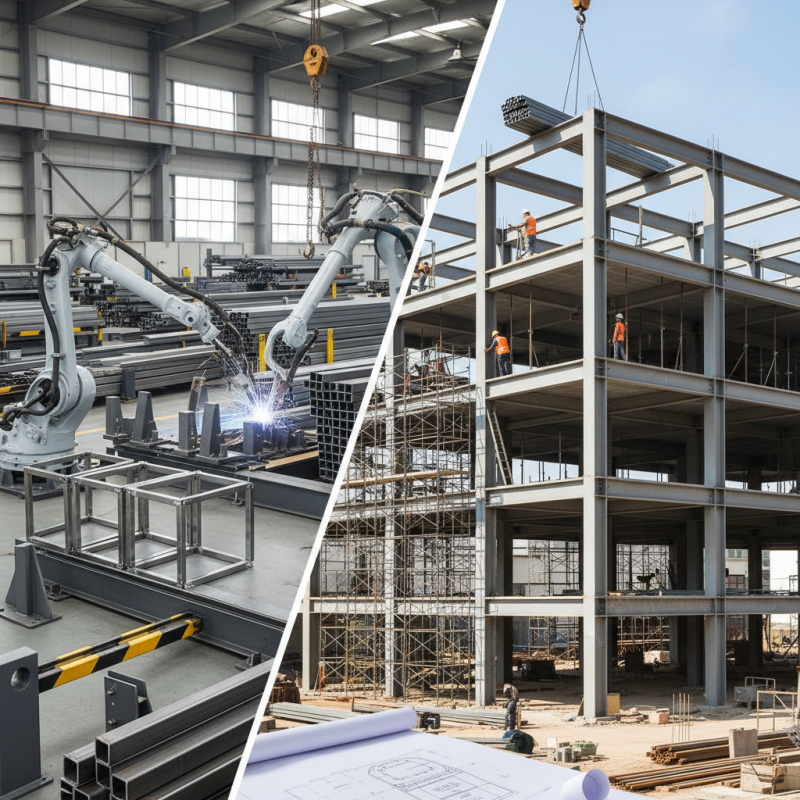
In construction, square tubes provide structural support and framework. They are robust and can be easily welded. Various industries utilize them for furniture and machinery fabrication. Their uniform shape allows for efficient stacking and transportation.
However, not all uses have been without challenges. Selecting the right material for specific applications can be tricky. Understanding the properties of square tubes is vital. This exploration highlights both their advantages and the considerations that must be made.
Top 10 Uses of Square Tube in Construction and Manufacturing
Square tubes are a staple in construction and manufacturing due to their versatile uses. These hollow sections have distinct advantages, such as strength and lightweight characteristics. According to industry reports, square tubes can be found in structural frameworks, furniture, and mechanical applications, accounting for a significant portion of market demand.
One prominent use is in building support structures. Since square tubes offer uniform strength in all directions, they are ideal for beams and columns. They are also prevalent in scaffolding, providing a stable platform for workers. The American Institute of Steel Construction holds that about 27% of steel used in construction is in the form of structural steel beams, much of it being square tubing.
Tip: Consider the wall thickness when selecting square tubes for a project. Thicker walls provide more strength but add weight.
Another application is in furniture manufacturing. Many modern designs leverage square tubes for its sleek and clean aesthetic. For example, metal frames for desks and chairs are commonly made of square tubing. In fact, the furniture sector is expected to see a growth rate of 4.6% per year through 2024, driven partly by the use of such materials.
Tip: Test your prototypes before mass production. Factors such as joint quality can significantly affect the furniture’s durability.
Acknowledging these aspects can drive innovation. However, it's essential to reflect on the limitations and challenges when using square tubes. For example, cutting square tubing requires precise tools to minimize waste and ensure a clean finish. Understanding these needs can lead to better project outcomes.
Support Structures: Enhancing Stability in Engineering Applications
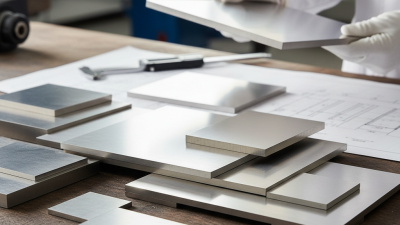
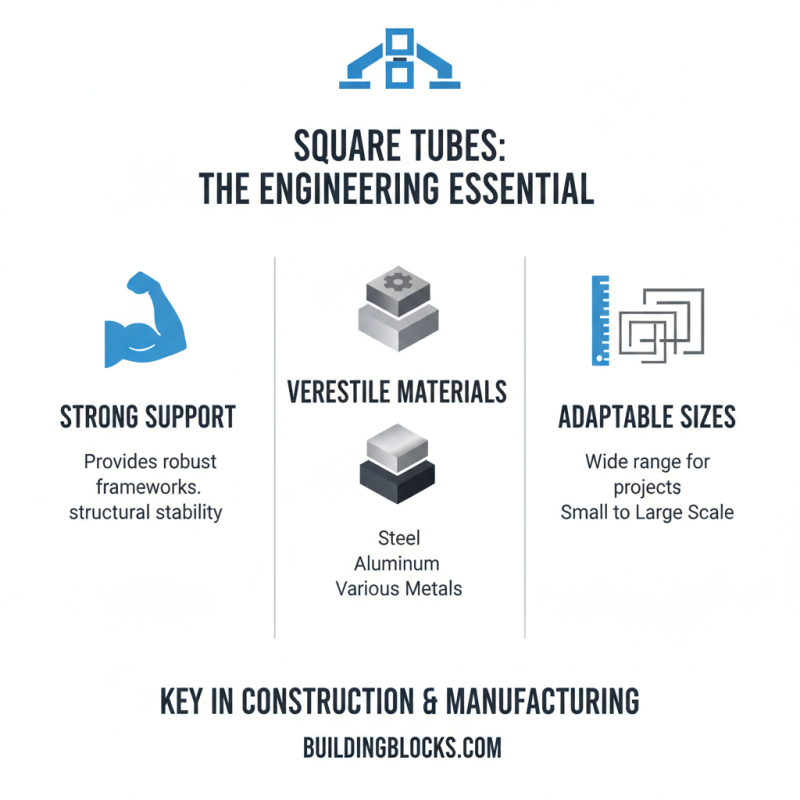
Square tubes are essential in construction and manufacturing. They provide strong support structures, enhancing stability in engineering applications. These tubes are often made from steel, aluminum, or other metals. They come in various sizes, which can suit different project needs.
In support structures, square tubes offer excellent resistance to bending. Their shape allows for even weight distribution, making them ideal for beams and frames. When used in scaffolding, they ensure safety and robustness. However, the choice of material is crucial. Using a weaker metal can lead to structural failures. Engineers must carefully consider the environment and load requirements.
Beyond traditional uses, square tubes can be adapted for innovative designs. They can create lightweight frameworks for temporary structures. Yet, creativity can sometimes lead to oversight. Not every design works as intended. It’s essential to test and validate concepts before full implementation. Effective communication within teams can also prevent costly mistakes. Analyzing these potential pitfalls ensures better outcomes in future projects.
Fabrication of Custom Machinery: Versatility in Design & Function
Square tubes are a game changer in custom machinery design. Their shape provides enhanced strength and durability. This makes them ideal for various structures. In addition, they offer flexibility in layout and assembly. Designers can create intricate systems without compromising stability.
However, the manufacturing process requires careful planning. A wrong cut or angle can lead to wastage. Moreover, square tubes are lightweight, making transportation easier. This feature allows for quick assembly and modification on-site. Builders appreciate how easy it is to handle these materials. Yet, while they are versatile, not every application is suitable for square tubes. Some projects may demand different shapes or sizes. Analyzing project needs carefully is essential for success.
Using square tubes does present challenges. Ensuring precision during fabrication is crucial. Small errors in measurement can affect the entire project. Workers must remain vigilant and double-check their work. The balance between innovation and practicality often leads to discussions about design choices. Each project can teach valuable lessons about materials and techniques.
Architectural Applications: Incorporating Aesthetic and Functional Elements
Square tubes have become a popular choice in architectural designs for their versatility. They can be employed as structural supports, framing, or decorative accents. Their clean lines and modern aesthetics contribute to contemporary building styles. Architects love the ease of integration, whether in facades or interior spaces. However, the challenge lies in balancing form and function.
Another intriguing application is in creating unique furniture pieces. Square tube elements can be utilized in tables, chairs, and shelving. The industrial look appeals to many designers. It’s not just about looks; functionality is crucial too. For instance, ensuring stability and weight distribution can be tricky. Some designs may skimp on these aspects in pursuit of a sleek appearance.
Lighting fixtures made from square tubes also provide an artistic flair. When designed thoughtfully, they can enhance a space without overwhelming it. Yet, the process requires careful planning and skill. Designing these elements involves overcoming hurdles and occasionally reflecting on missed opportunities. The outcome is often worth the effort, blending style with practicality in innovative ways.
Top 10 Uses of Square Tube in Construction and Manufacturing
| Application |
Description |
Material Properties |
Benefits |
| Structural Framework |
Used to create the skeleton of buildings and structures. |
High strength-to-weight ratio. |
Durability and stability. |
| Handrails and Guardrails |
Provides safety and protection around elevated areas. |
Corrosion resistant options available. |
Increased safety compliance. |
| Furniture Frames |
Basis for modern furniture designs. |
Lightweight yet strong. |
Versatile styling options. |
| Agricultural Equipment |
Frames for various machinery. |
Robust and resilient. |
Long service life. |
| Scaffolding |
Temporary structures for access in construction. |
Sturdy and compliant with safety regulations. |
Ease of assembly and disassembly. |
| Storage Racks |
Used in warehouses for item organization. |
High load-bearing capability. |
Maximizes storage space. |
| Architectural Features |
Decorative elements in structural design. |
Can be coated for aesthetic appeal. |
Enhances visual interest. |
| Automotive Frameworks |
Supports body and frame of vehicles. |
Good weldability and strength. |
Lightweight for fuel efficiency. |
| Fencing |
Encloses areas for safety and security. |
Durable with various finishes. |
Enhances property security. |
| Lighting Fixtures |
Framework for various lighting designs. |
Can achieve various designs with aesthetics in mind. |
Versatile in design and function. |
Conclusion
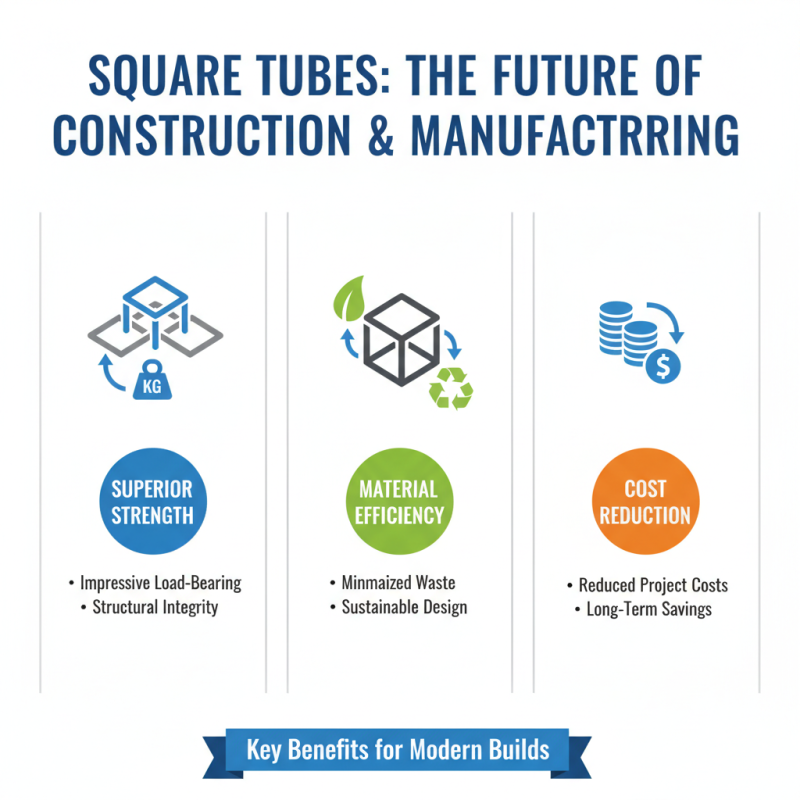
Square tubes are integral in both construction and manufacturing due to their versatility and efficiency. They serve as essential components in structural frameworks, providing robust load-bearing capabilities while maximizing material efficiency. Their design enhances stability in various support structures, making them indispensable in engineering applications.
In addition to structural uses, square tubes play a vital role in the fabrication of custom machinery, allowing for innovative designs that cater to specific functional needs. Architectural applications leverage square tubes not only for their structural properties but also for their aesthetic appeal, creating visually striking elements in buildings. Furthermore, they are crucial in transport infrastructure, being extensively utilized in rail and road construction projects. Overall, the adaptability and strength of square tubes make them a popular choice across various sectors.