Top Uses of Rectangular Steel Pipe in Construction and Industry?
In the construction and industrial sectors, Rectangular Steel Pipe has become a staple. Its versatility and strength make it an essential choice for a wide range of applications. The unique shape of these pipes allows for effective use in various structures, from frameworks to supports. Durable and easy to fabricate, Rectangular Steel Pipe offers both cost-efficiency and reliability.
Many construction projects rely heavily on this type of steel piping. For instance, it is often used in building frames, where stability is critical. The rigidity of Rectangular Steel Pipe enables it to withstand significant loads. However, some may overlook the importance of proper welding techniques, leading to potential structural issues. Awareness of these details is crucial to ensure safety and compliance.
In industrial settings, Rectangular Steel Pipe can be found in conveyor systems, machinery, and more. Its adaptability makes it a favored option for custom designs. Yet, not all applications may suit this type of piping. Developers must assess their specific needs carefully. Understanding the strengths and limitations of Rectangular Steel Pipe can enhance project outcomes significantly.
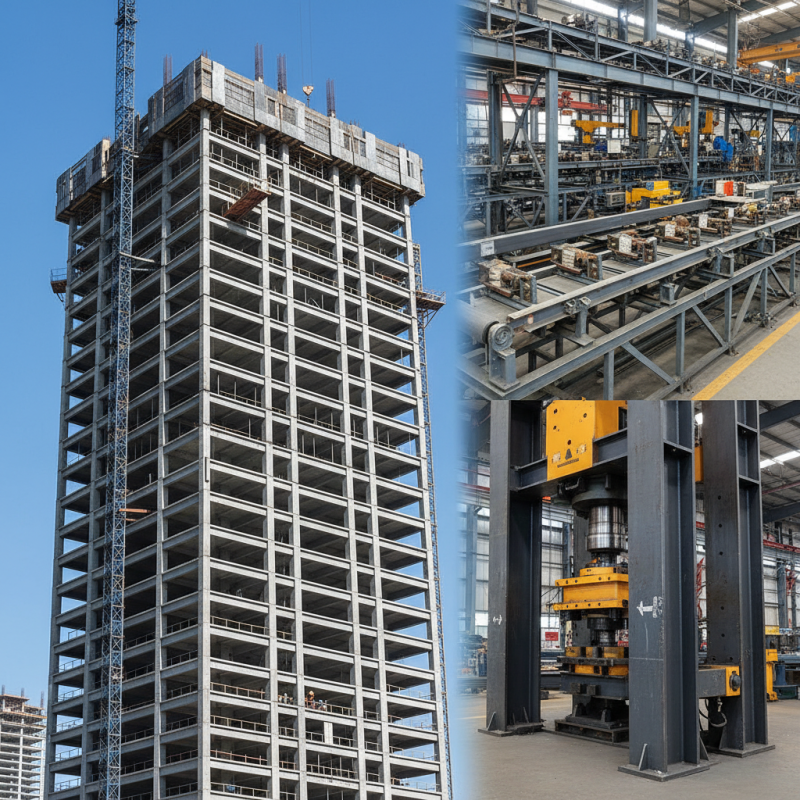
Top Uses of Rectangular Steel Pipe in Construction and Industry
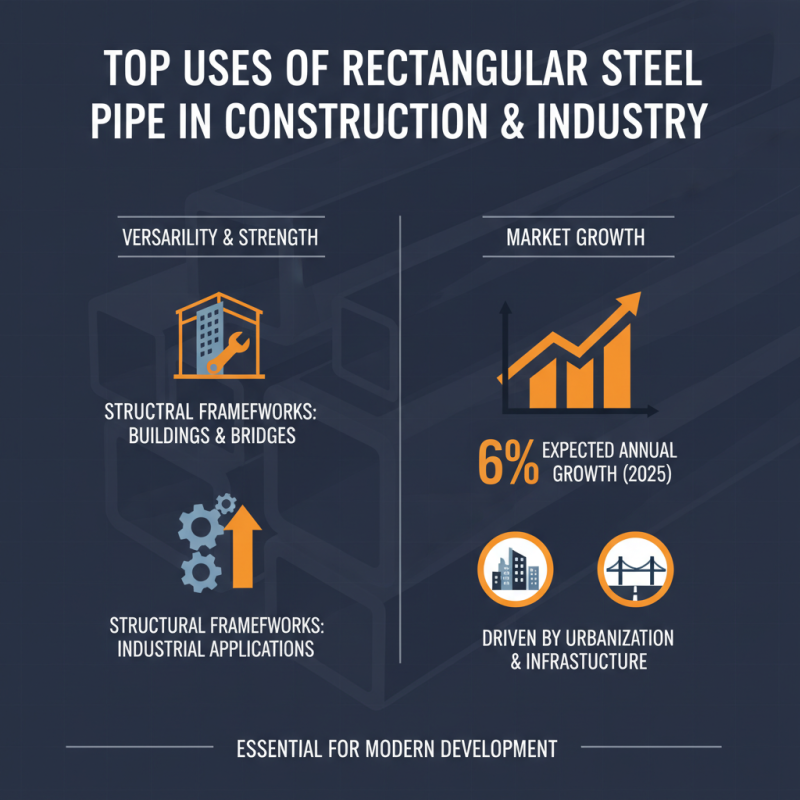
Rectangular steel pipes have become integral in construction and industry due to their versatility and strength. These pipes are often used in structural frameworks, providing support for buildings and bridges. According to industry reports, the demand for rectangular steel pipes is expected to grow by 6% annually through 2025, driven by urbanization and infrastructure development.
One significant application is in the manufacturing of pre-engineered buildings. Rectangular steel pipes serve as the skeletal framework, offering durability and resistance to various environmental conditions. They are also used for creating efficient storage solutions, such as racking systems. A report indicates that the global market for steel storage systems will expand significantly, correlating directly to the increase in rectangular steel pipe usage.
Tip: Always consider load-bearing requirements when choosing rectangular steel pipes. Overestimating the capacity can lead to potential structural failures.
Another common use is in the automotive industry, where these pipes are utilized in the production of chassis and other vehicle components. Their ability to withstand high-pressure environments makes them a preferred choice. However, it’s essential to analyze the specific application requirements. Not every type of rectangular pipe is suitable for high-stress applications.
Tip: Regular inspection of steel pipes can prevent costly failures and ensure structural integrity.
Structural Support Applications of Rectangular Steel Pipe
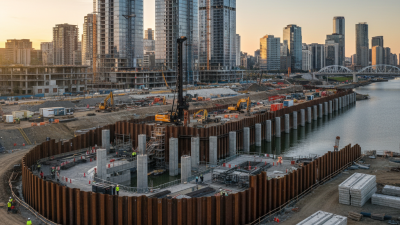
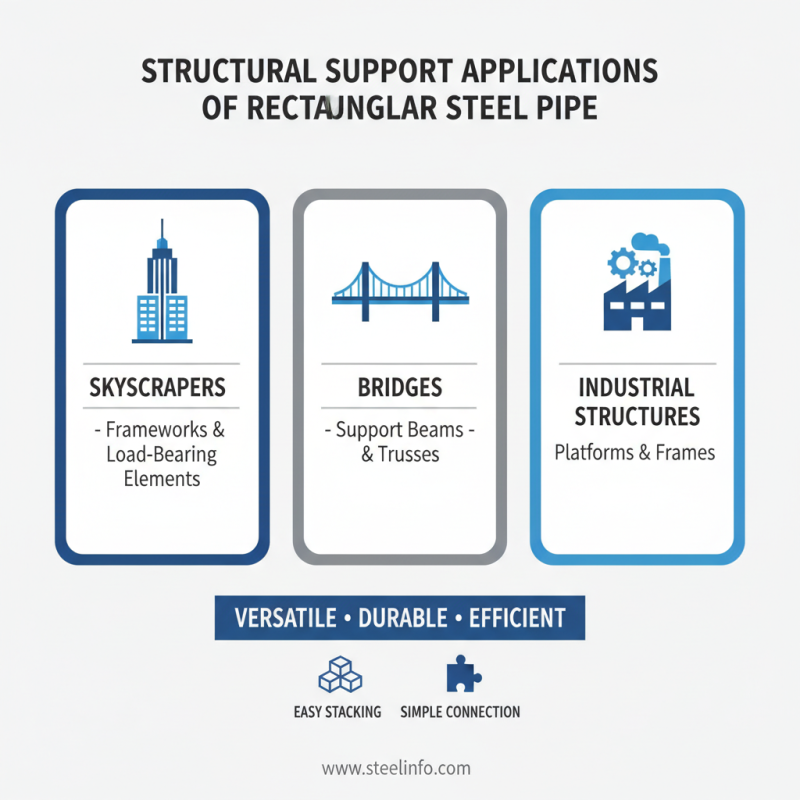
Rectangular steel pipes are essential in various structural support applications in construction and industry. They provide strength and stability to frameworks, making them invaluable in building projects. From skyscrapers to bridges, these pipes serve as vital elements for load-bearing structures. Engineers often favor them for their versatility and durability. The uniform shape allows for easy stacking and connection, streamlining construction processes.
When considering the use of rectangular steel pipes, it's crucial to assess load requirements. Each project has unique demands. Choosing the right size and thickness is key. A miscalculation could compromise structural integrity. For instance, underestimating load can lead to failures. Take the time to analyze stress points and use proper tools for measurements.
In high-stress environments, consider the quality of steel. Low-grade materials can lead to long-term issues. Prioritize materials that meet industry standards. This practice enhances safety and minimizes maintenance needs. Using trusted suppliers can make a significant difference. Keeping these factors in mind can lead to successful and safe constructions. The perfect balance between cost and quality might be hard to find. It's okay to reassess when issues arise.
Utilization in Industrial Frameworks and Machinery
Rectangular steel pipes play a vital role in industrial frameworks and machinery. Their unique design makes them suitable for various structural applications. According to the World Steel Association, around 1.6 billion tons of steel is produced annually, with a significant portion dedicated to construction and manufacturing. This indicates the high demand for reliable materials like rectangular steel pipes.
In industrial settings, these pipes are used in machine frames, conveyors, and support structures. Their inherent strength allows for the construction of durable frameworks. A report by the American Institute of Steel Construction highlights that these pipes are up to 30% more efficient in space utilization compared to round pipes. This efficiency translates into reduced material costs and minimized waste, which is crucial for sustainable practices.
However, there are some shortcomings to consider. Rectangular steel pipes can experience higher stress concentrations at corners. This can lead to potential failure if not designed correctly. Additionally, while they offer excellent structural properties, they may require more precise fabrication techniques. As framed structures become more complex, the need for skilled labor will also increase. Hence, evaluating their application in specific projects remains essential for safety and efficiency.
Top Uses of Rectangular Steel Pipe in Construction and Industry
| Application |
Description |
Key Benefits |
Common Sizes |
| Structural Frameworks |
Used for building frames and supports in various structures. |
Strength, stability, and ease of assembly. |
3"x2", 4"x2", 6"x4" |
| Industrial Machinery |
Frameworks and casings for various types of machinery. |
Durability and resistance to heavy loads. |
2"x2", 3"x1.5" |
| Pipelines |
Transporting liquids and gases in industrial applications. |
Corrosion resistance and long lifespan. |
4"x3", 10"x5" |
| Furniture Manufacturing |
Frames for tables, chairs, and other furniture. |
Modern aesthetics and strength. |
2"x1", 3"x2" |
| Transportation |
Used in trailers and vehicle frameworks. |
Lightweight yet strong, enhancing fuel efficiency. |
5"x3", 6"x3" |
Drainage and Plumbing Solutions with Steel Pipe
Steel pipes serve critical roles in drainage and plumbing systems. Their durability and resistance to corrosion make them ideal for various applications. According to the Steel Pipeline Association, steel pipe systems can last over 50 years with proper maintenance. This longevity is essential in construction and industrial settings, where failure can lead to costly repairs and downtime.
Using steel pipes for drainage ensures efficient water management. Properly designed systems reduce flood risks. A recent report by the American Society of Civil Engineers indicated that about 65% of urban flooding events stem from inadequate drainage infrastructure. Selecting the correct diameter and grade of steel pipe can significantly enhance system performance.
Tip 1: Regular inspections of steel pipe systems can catch potential problems early. This step prevents unexpected failures and ensures continuous operation.
However, challenges remain. Not all installations account for ground movements or temperature changes. Some older systems face issues like leaks, which can waste resources and affect overall efficiency.
Tip 2: Consider using insulated steel pipes in areas with extreme temperature variations. This choice minimizes the risk of thermal expansion or contraction damage.
Understanding these factors is crucial for effective drainage and plumbing solutions. Proper planning and selection of materials directly impact system reliability and maintenance costs.
Top Uses of Rectangular Steel Pipe in Construction and Industry
Role in Building Facades and Architectural Designs
Rectangular steel pipes play a significant role in architectural designs and building facades. They provide structural integrity and aesthetic appeal. According to industry reports, 35% of new commercial buildings utilize steel framing systems, highlighting the growing trend in architecture. These pipes support diverse styles, from minimalist to modern industrial designs. Their versatility allows architects to create striking visual elements while ensuring safety and durability.
Incorporating rectangular steel pipes into facades enhances thermal efficiency. Recent studies indicate that well-designed steel-framed buildings can reduce energy consumption by up to 40%. This is crucial as energy-efficient structures become standard. A blend of form and function, these pipes can accommodate insulation materials, further improving performance.
However, architects must consider weight distribution and material compatibility. Miscalculating these aspects can lead to structural issues. While the design possibilities are vast, attention to detail is essential. Collaboration with engineers helps ensure a balance between bold designs and safety.
Conclusion
Rectangular steel pipe is an essential material in both construction and industrial applications, offering versatility and strength for various uses. Its structural support applications are critical in buildings and infrastructure, providing stability and durability. Additionally, rectangular steel pipe is widely utilized in industrial frameworks and machinery, where its robust design contributes to the efficiency and safety of operations.
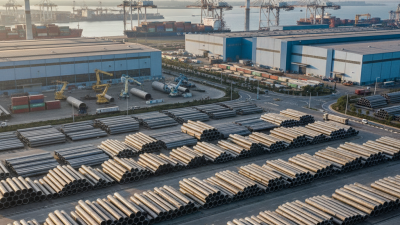
Moreover, it plays a key role in drainage and plumbing solutions, effectively managing water and waste systems. In architectural designs, rectangular steel pipe enhances the aesthetic appeal of building facades while maintaining structural integrity. Lastly, it is integral for the transport and storage of materials, ensuring that goods are securely held and efficiently moved. Overall, the diverse applications of rectangular steel pipe underscore its importance in modern construction and industry.