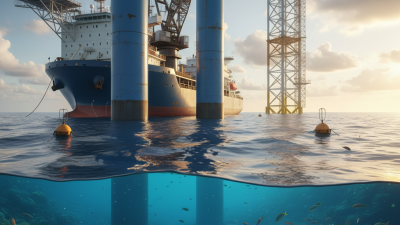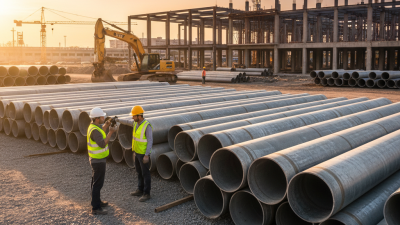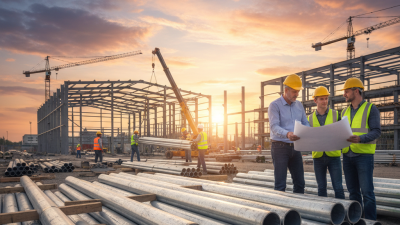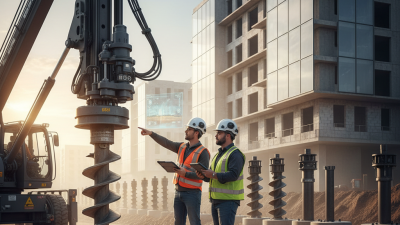
Offshore piles play a crucial role in modern marine construction. These structures provide stability and support for various marine projects. Industry reports indicate that the global demand for offshore piles is set to grow significantly. By 2026, the offshore construction market is expected to reach $30 billion, with a substantial share attributed to these essential components.
Utilizing offshore piles enhances the durability of foundations and protects against harsh marine conditions. They serve projects ranging from wind farms to bridges, showcasing their versatility. However, challenges exist. The intricacies of installation and environmental impacts must be carefully managed. Reports show that improper pile installation can lead to structural failures, urging engineers to prioritize best practices.
Various research reveals that the efficiency of offshore piles depends on soil conditions and design specifications. Adapting to site-specific challenges is vital. While offshore piles offer immense benefits, continuous innovation and reflection on past projects are essential for progress. Through careful analysis and application, the marine construction industry can harness the full potential of offshore piles.
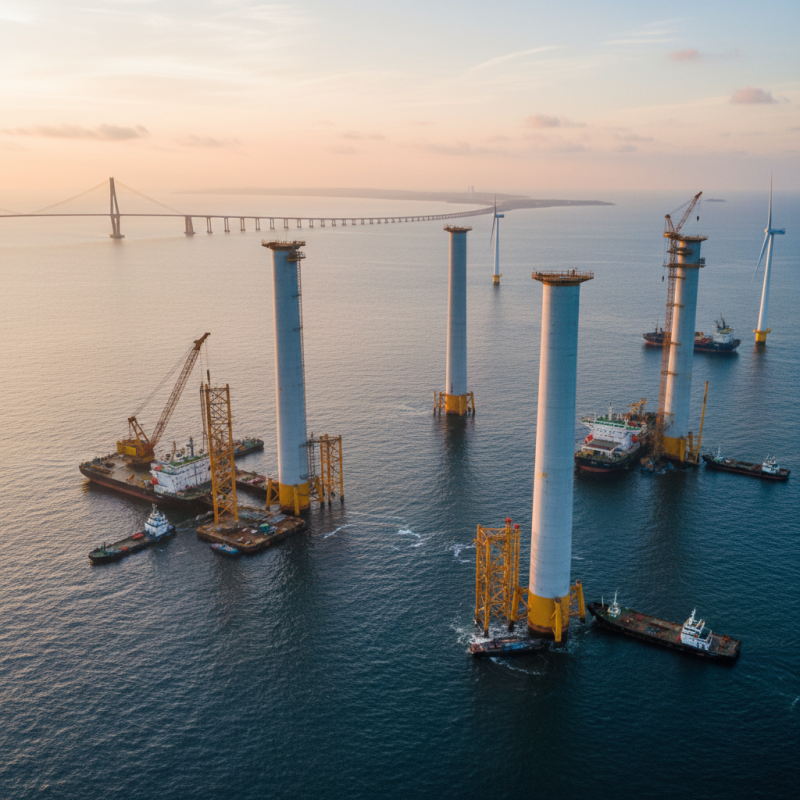
Offshore piles play a crucial role in modern marine construction. They serve as the foundation for various structures, ensuring stability in unpredictable marine environments. These piles are designed to withstand harsh conditions, including strong currents and wave action. Builders must choose the right materials and methods to ensure durability, which can sometimes complicate the construction process.
Foundation support is not their only use. Offshore piles also anchor floating platforms and wind turbines. Their versatility provides essential support for energy production, helping to harness renewable resources. However, choosing the wrong pile type can lead to failure or increased costs. Each project presents unique challenges in soil conditions and environmental factors, making expert knowledge vital.
Constructors often face the dilemma of balancing cost and quality. Striking the right balance is key to long-term success. Investing in proper engineering and site analysis can prevent future issues. As projects grow larger and more complex, the reliance on offshore piles increases, bringing both challenges and opportunities in marine construction.
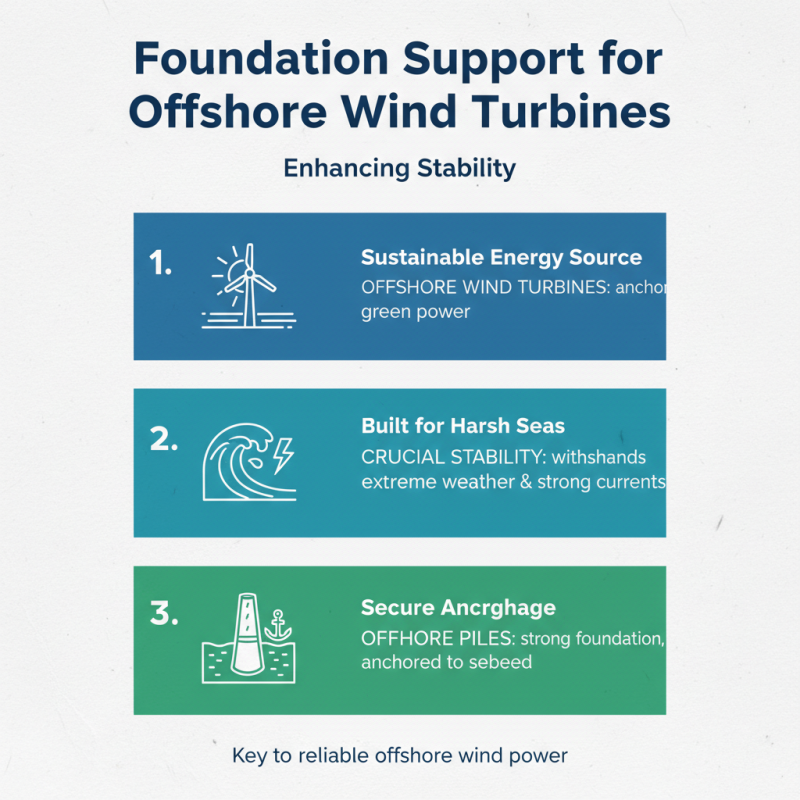
Offshore wind turbines are becoming vital for sustainable energy. Their stability is crucial, given their exposure to harsh marine environments. Offshore piles serve as a strong foundation, anchoring these turbines to the seabed. These piles can withstand strong currents and extreme weather, ensuring the turbines remain upright.
The installation of offshore piles is a complex process. It requires specialized equipment and skilled labor. Engineers must assess the seabed's condition before installation. Variations in soil density or rock formations can impact pile effectiveness. This analysis ensures the right pile type and length is chosen for each project.
Real-world challenges often arise during construction. Delays may occur due to unpredictable weather conditions. Pile alignment can be difficult when dealing with underwater obstacles. Despite advancements in technology, these issues remind us of marine construction's unpredictable nature. Continuous learning and adaptation are essential for improving future projects.
Offshore piles are crucial in modern marine construction. Innovations in materials are transforming how these piles are used. For instance, composite materials are becoming popular. They resist marine organisms and prolong the lifespan of structures. Such innovations reduce maintenance costs significantly.
Techniques are also evolving. Advanced installation methods are being developed. These methods improve accuracy and speed, enhancing overall project efficiency. However, not all techniques are perfected. Some face challenges in extreme weather conditions. Researchers must address these issues to ensure reliability.
The push for environmentally friendly options is notable. Biodegradable materials could be a game changer. They promise reduced environmental impact. Yet, these options require further testing. Developers must remain vigilant in balancing innovation with practical application.
Offshore piles play a vital role in coastal erosion prevention strategies. These structures provide essential support for marine construction, ensuring stability in challenging environments. When installed correctly, offshore piles help protect beaches and shorelines from the relentless forces of waves and currents. Their placement creates a physical barrier, dissipating energy and reducing the impact of erosion.
However, not all pile installations yield positive results. Misjudgments in design or placement can worsen erosion in specific areas. An inconsistent approach might lead to unintended consequences. Coastal managers need to carefully evaluate environmental conditions before committing to pile installation. This emphasizes the need for expertise and thorough research in marine construction. A collaborative approach among engineers and environmental scientists can address various challenges.
Technical advancements offer new methods for assessing offshore pile effectiveness. Utilizing data from environmental monitoring can enhance decision-making. It encourages a more nuanced understanding of coastal dynamics. Reliable data helps predict the interplay between piles and natural forces. Nevertheless, continuous evaluation remains crucial to adapt strategies over time.
| Use Case | Description | Impact on Coastal Erosion Prevention | Key Materials |
|---|---|---|---|
| Wind Turbine Foundations | Used to anchor offshore wind turbines, providing stability. | Helps maintain shoreline integrity by dissipating wave energy. | Steel, concrete |
| Marine Oil Platforms | Support structures for extracting oil beneath the ocean. | Reduces potential for oil-related spills affecting coastal areas. | Steel, reinforced concrete |
| Bridge Supports | Provide support for bridges spanning waterways. | Minimizes disruption to sediment flow, aiding natural shoreline protection. | Concrete, steel |
| Docks and Berths | Facilitate safe mooring of vessels. | Protects coastal areas from wave action while enhancing access. | Concrete, steel, timber |
| Subsea Cable Supports | Anchor subsea communication and power cables. | Reduces seabed disruption, promoting habitat restoration. | Steel, composite materials |
| Aquaculture Structures | Support fish farms and marine wildlife habitats. | Encourages biodiversity, indirectly fostering coastal stability. | Concrete, steel, plastics |
| Breakwaters | Deflect waves and reduce erosion in coastal areas. | Directly protects coastlines from wave-induced erosion. | Rock, concrete |
| Marinas | Provide safe harbor for recreational vessels. | Helps stabilize the coastline by controlling water flow. | Concrete, steel, timber |
| Coastal Defense Structures | Protect against storm surges and flooding. | Crucial for preserving coastal land and infrastructure. | Reinforced concrete, steel |
| Research Platforms | Support marine research and observation instrumentation. | Facilitates understanding of coastal dynamics. | Steel, composite materials |
Offshore piles play a crucial role in modern marine construction, particularly in building bridges and harbors. According to a report from the International Association of Ports and Harbors, the use of piles enhances the stability of structures in waterways. For instance, the average lifespan of properly installed offshore piles can exceed 50 years, offering a long-term solution for marine infrastructure.
Marine structures face unique challenges, such as tidal movements and environmental impacts. Using piles allows engineers to anchor projects securely. The design requires careful consideration of soil conditions and marine ecosystems. Slight miscalculations can lead to significant structural failures. A recent study showed that 18% of pile-supported structures face issues due to improper load distribution. This statistic highlights the need for precise engineering methods.
The effectiveness of piles in bridges and harbors depends not just on technology but also on local knowledge. Successful marine construction blends innovation with experience. Projects benefit from historical data and site evaluations. Ongoing assessments are essential to adapt to changing underwater conditions. Innovations in material sciences are promising, yet practical challenges remain. The need for reliable, cost-effective solutions is more pressing than ever.
Offshore piles play a critical role in modern marine construction, providing foundational support for structures such as offshore wind turbines, which enhance stability against harsh marine conditions. Innovations in materials and techniques related to offshore piles have significantly improved their effectiveness and longevity, making them essential in preventing coastal erosion and facilitating the construction of crucial marine infrastructure, including bridges and harbors.
Additionally, numerous case studies highlight successful applications of offshore piles in major projects, showcasing their versatility and reliability in various marine environments. By addressing both structural needs and environmental challenges, offshore piles continue to be an indispensable element in the advancement of marine construction practices.