Top Tips for Choosing Black Welded Pipe for Your Project?
When embarking on a construction project, selecting the right materials is crucial. One popular choice is the Black Welded Pipe. Known for its durability and strength, this pipe is often favored in various applications. However, navigating the selection process can be challenging.
Understanding the nuances of Black Welded Pipe is essential. Factors like size, thickness, and intended use play a significant role in your decision. For instance, not all projects require the same specifications. Ignoring these details could lead to costly mistakes. Buyers must be attentive to the specific needs of their projects.
Additionally, while Black Welded Pipe is generally reliable, there are considerations to keep in mind. Quality can vary between manufacturers, and it's wise to do thorough research. Engaging with knowledgeable suppliers can improve your understanding of the product. By taking these steps, you can ensure that your choice aligns perfectly with your project's requirements.
Understanding the Basics of Black Welded Pipe: An Overview
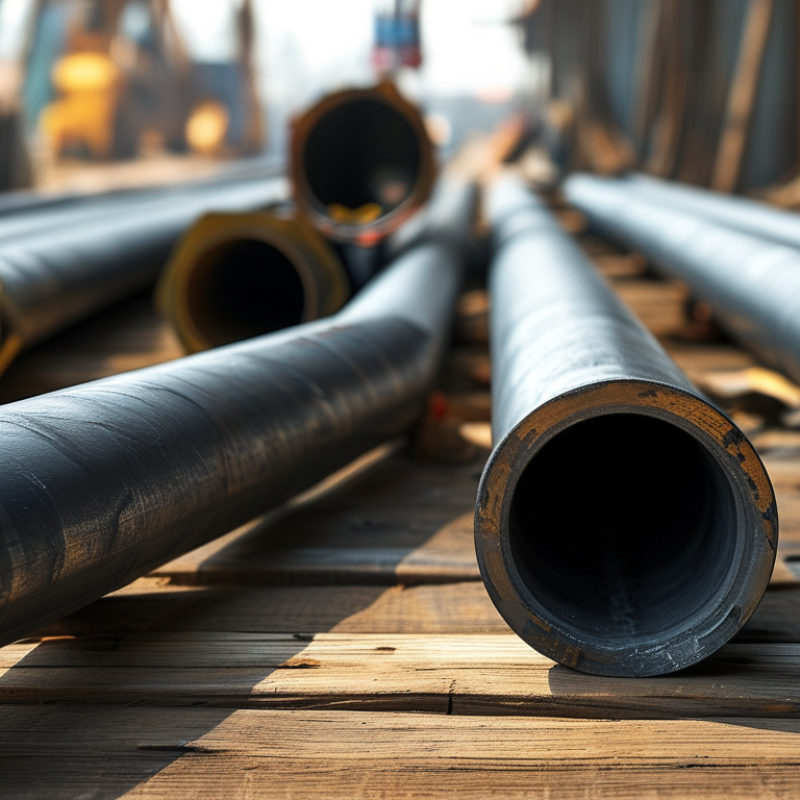
Black welded pipe is a popular choice in various construction and industrial applications. Understanding its basics can significantly influence project outcomes. This type of pipe is typically made from steel and is used extensively for structural purposes. According to the American Society for Testing and Materials (ASTM), the correct selection of materials can result in a 15-20% reduction in project costs.
The manufacturing process of black welded pipe involves welding pre-cut steel sheets into pipe form. The resulting product features a black oxide finish, which helps in corrosion resistance. However, this surface can sometimes mask underlying defects, highlighting the importance of thorough inspections. The Steel Pipe Institute indicates that nearly 30% of pipe failures in projects are due to manufacturing defects. Choosing quality sources is critical.
When selecting black welded pipe for your project, consider your specific needs. The diameter and wall thickness will directly affect the load that the pipe can bear. It’s essential to match the pipe specifications with project demands. Remember, not all suppliers ensure the same level of quality control, leading to potential issues down the line. Engage in due diligence with suppliers, and always consult industry standards to mitigate risks.
Top Tips for Choosing Black Welded Pipe for Your Project
Key Factors to Consider When Selecting Black Welded Pipe
When selecting black welded pipe, several key factors should guide your decision. One important aspect is the pipe's grade. For instance, ASTM A53 and ASTM A106 are popular standards, often used in construction and industrial applications. Choosing a pipe that meets your project's specifications can ensure durability and integrity.
Another critical factor is the schedule number. This relates to the pipe's wall thickness and affects pressure ratings significantly. A schedule 40 pipe, for example, can handle moderately high pressure. In fact, reports indicate that projects using appropriate schedule pipes see a 15% increase in safety margins. This highlights the importance of precise selection based on project demands.
Additionally, consider the manufacturer's reputation. Studies show that suppliers with a solid quality control process deliver products with fewer defects and higher reliability. Flaws in welded pipes often lead to costly repairs. Therefore, prioritizing suppliers with proven track records can mitigate risks. It's essential to weigh these elements against cost and project timelines, as these factors can create trade-offs that may affect overall project execution.
Evaluating the Quality and Standards of Black Welded Pipe
When selecting black welded pipe for your project, evaluating quality is crucial. Start by checking the material specifications. High-quality black welded pipes should meet industry standards such as ASTM A53 or ASTM A106. These standards ensure the pipe can handle high pressure and is resistant to corrosion. An understanding of these specifications reflects your expertise in making informed decisions.
Beyond standards, consider the manufacturing process. Quality welding techniques will enhance the pipe's strength and durability. Look for uniform weld beads without cracks or porosity. This attention to detail can prevent future failures. Inspect samples, if possible. These small actions can reveal much about the overall quality.
The source of the black welded pipe also matters. Reliable suppliers typically offer pipes that undergo rigorous testing. Beware of suppliers who cannot provide documentation, as this reflects a lack of confidence in their product. Research is vital; it helps you connect with reputable companies. Remember, selecting inferior products may lead to costly repairs down the line.
Comparing Cost and Performance for Your Project Needs
When choosing black welded pipe for your project, cost and performance are crucial factors. The price of black welded pipe can vary significantly based on material and diameter. Often, thicker walls offer enhanced durability but at a higher cost. Analyzing your project's budget is vital. A lower initial cost might lead to higher maintenance in the long run.
Performance is influenced by factors like strength and corrosion resistance. Black welded pipes generally have good tensile strength, making them suitable for various applications. However, their resistance to corrosion is lower than that of galvanized pipes. This can be a significant drawback, especially in humid or corrosive environments. Assessing the environmental conditions of your project will guide you in making a smart choice.
Many users overlook the long-term costs associated with pipe performance. Choosing cheaper options might seem attractive, but consider total lifecycle costs. Maintenance fees for lower-quality pipes can skyrocket. Sometimes, spending a bit more upfront leads to greater savings down the line. Therefore, weigh your options carefully.
Top Tips for Choosing Black Welded Pipe for Your Project
| Pipe Diameter (inches) |
Material Grade |
Wall Thickness (mm) |
Cost per Foot ($) |
Pressure Rating (psi) |
Recommended Use |
| 2 |
ASTM A53 Grade B |
3.2 |
2.50 |
3000 |
Structural applications, plumbing |
| 4 |
ASTM A500 |
4.0 |
4.00 |
2000 |
Construction, frame work |
| 6 |
ASTM A53 Grade A |
5.0 |
5.50 |
1500 |
Water transport, industrial |
| 8 |
ASTM A106 |
6.0 |
7.00 |
1200 |
High-temperature applications |
Common Applications and Usage of Black Welded Pipe in Industries
Black welded pipes are widely used across various industries, mainly due to their durability and cost-effectiveness. They are particularly common in construction, manufacturing, and oil and gas sectors. According to the American Society for Testing and Materials (ASTM), these pipes can handle high pressure and are often used for structural purposes and fluid transfer.
In the construction industry, black welded pipes serve as essential components for scaffolding and other structural applications. Their ability to withstand high mechanical loads makes them favorable for builders. Notably, the global black welded pipe market was valued at approximately
$32 billion in 2022, with significant growth projected in the coming years. This trend indicates a growing reliance on these pipes for infrastructure development.
Moreover, black welded pipes are crucial in transporting oil, gas, and water. Their corrosion resistance, particularly in transportation applications, enhances their reliability. However, potential issues arise from improper welding practices, leading to pipe failure.
Regular inspections are vital, as even small defects can have significant operational impacts. Investing in quality welded pipe with rigorous inspection can mitigate these risks.