How to Optimize Offshore Wind Monopile Installation for Maximum Efficiency?
In the fast-evolving sector of renewable energy, optimizing offshore wind monopile installation remains a critical focus. Offshore wind monopiles serve as the foundation for wind turbines, anchoring them securely to the seabed. The efficiency of this installation process can significantly influence project timelines and costs, making it a vital area for improvement.
Many projects face challenges during monopile installations. These can include unpredictable weather conditions and logistical hurdles. Techniques that once worked may not suit all environments. Consequently, the need for innovative strategies and a better understanding of site conditions becomes paramount. Companies are continuously seeking new methods to improve precision and speed. This shift is vital for maximizing both productivity and safety at sea.
Reflection on past projects reveals valuable lessons. In some cases, excessive delays and unforeseen complications arose from inadequate planning. It highlights the importance of thorough site assessments. Adapting to emerging technologies and lessons learned could drive future success. Ultimately, focusing on offshore wind monopile installation is essential for achieving maximum efficiency in the growing renewable energy landscape.
Understanding the Offshore Wind Monopile Installation Process
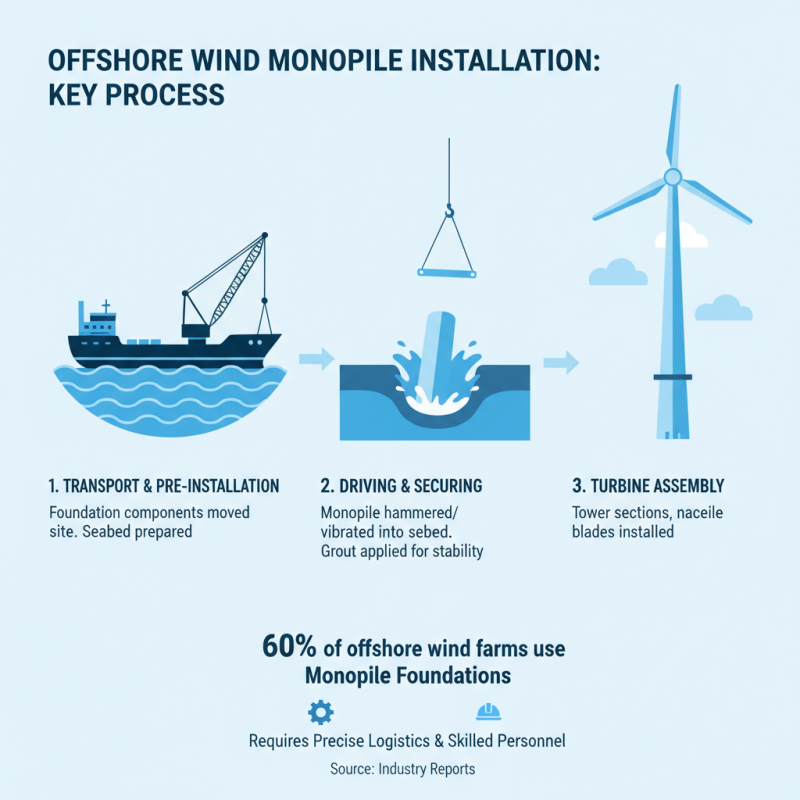
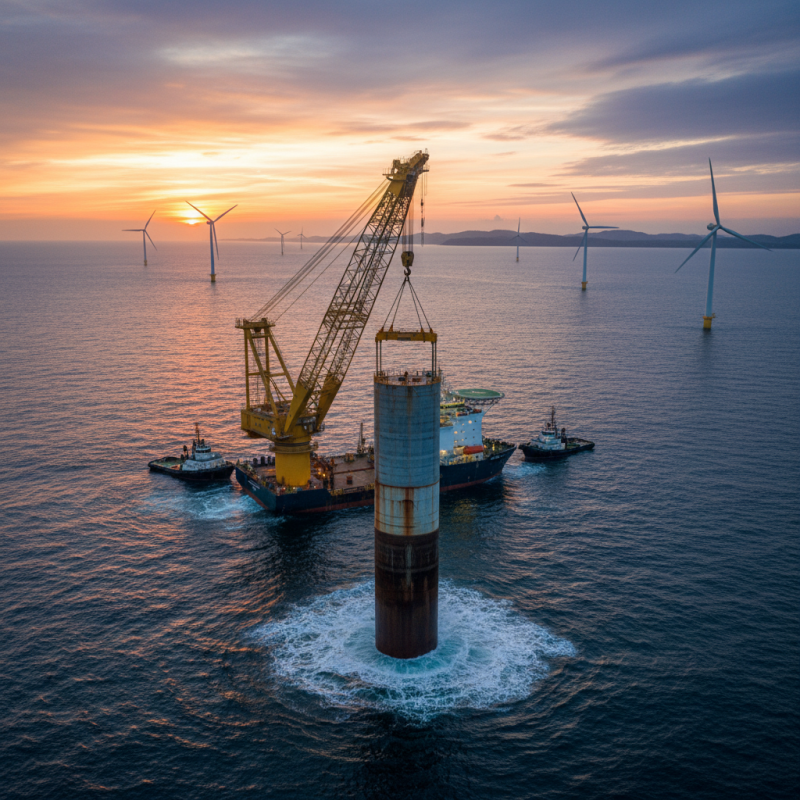
The offshore wind monopile installation process is crucial for maximizing efficiency. Monopiles provide stability for turbines in deep waters. According to recent industry reports, about 60% of offshore wind farms use monopile foundations. This installation demands precise logistics and skilled personnel for success.
Preparing the seabed is a vital step. Any delays can lead to increased costs and lost revenue. Weather conditions also play a significant role. Research indicates that inclement weather can delay operations by up to 30%. Ensuring equipment readiness and proper weather assessments can mitigate these risks.
**Tip:** Regularly train the installation crew. Skills can erode over time, affecting performance.
The installation sequence is pivotal. It includes transporting, positioning, and driving the monopiles. Often, contractors face challenges in alignment and depth. Misalignments can result in costly rework. Therefore, utilizing advanced positioning technology is recommended.
**Tip:** Conduct pre-installation simulations. This can highlight potential issues before they arise.
Attention to detail can enhance these processes. Monitoring vibrations during installation helps prevent future structural problems. Companies must adjust strategies based on real-time data. Balancing efficiency and safety remains a constant challenge in the offshore wind sector.
Techniques for Effective Site Assessment and Preparation
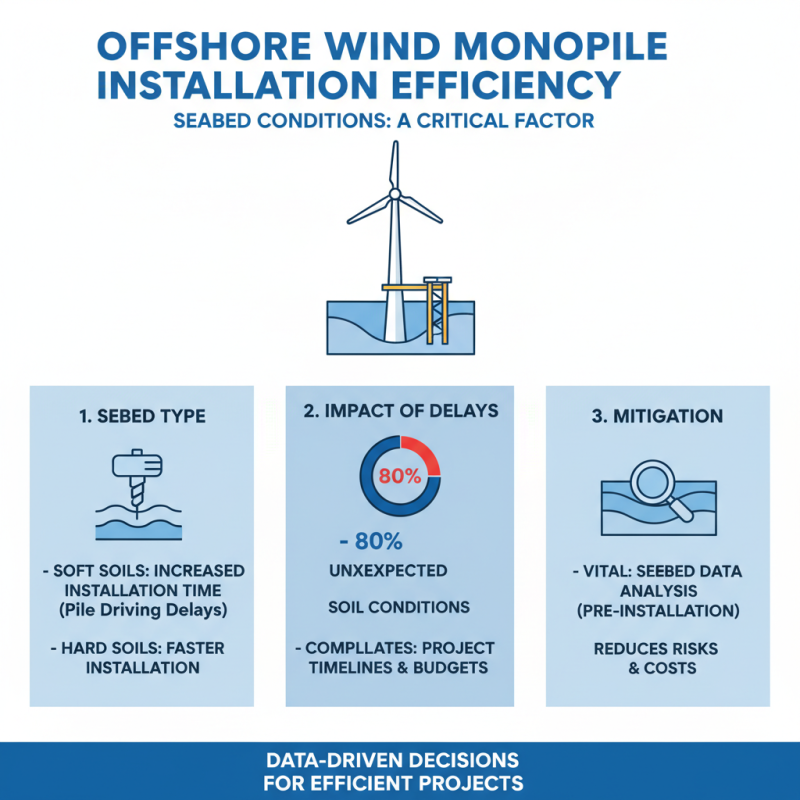
When optimizing offshore wind monopile installation, effective site assessment and preparation are crucial. Start by conducting thorough geological studies. Understand soil conditions. Knowing soil stability prevents costly delays. Dive into the local marine environment. Identify existing structures and habitats. This helps avoid unexpected obstacles during installation.
Tip: Use drone technology for site surveys. Drones can collect data quicker than traditional methods. This efficiency saves time and resources. Also, involve local experts who understand regional conditions. Their insights can highlight potential risks early in the process.
Plan for weather conditions too. Wave heights and wind speeds can greatly impact operations. Have a flexible schedule to adapt to changing weather patterns. Analyze historical weather data to predict complications. This preparation can improve the overall installation timeline.
Tip: Regularly review and adjust your plans. Installation processes should evolve based on new information. Be willing to pivot strategies as needed. Offsetting risks through constant evaluation can enhance project efficiency and success.
How to Optimize Offshore Wind Monopile Installation for Maximum Efficiency? - Techniques for Effective Site Assessment and Preparation
| Technique |
Description |
Impact on Efficiency |
Optimal Conditions |
| Geotechnical Assessment |
Evaluate soil conditions to determine the best installation method. |
Reduces installation time and risk of failure. |
Stable seabed and minimal obstructions. |
| Pre-Installation Surveys |
Conduct surveys for bathymetric and environmental data. |
Improves site understanding and reduces unexpected costs. |
Calm weather and clear visibility. |
| Installation Process Optimization |
Refine procedures for monopile driving and alignment. |
Enhances speed and precision of installation. |
Minimal current and wave action. |
| Use of Advanced Technologies |
Incorporate automated systems and real-time monitoring tools. |
Increases accuracy in positioning and reduces manual errors. |
Compatible with high-tech equipment standards. |
| Crew Training and Safety Protocols |
Ensure the crew is trained in best practices and safety measures. |
Minimizes accidents and improves workflow efficiency. |
Ongoing training and safety drills. |
Innovative Technologies for Enhancing Monopile Installation
The offshore wind industry is transforming with innovative technologies aimed at optimizing monopile installation. Advanced robotics are becoming essential in this process. They can perform critical tasks in harsh environments, reducing manual labor and increasing safety. These robots automatically adjust their functions based on sea conditions, improving efficiency. However, the technology is still developing and may not always handle unexpected challenges.
Hydraulic systems are also enhancing installation capabilities. They provide precise control over the positioning of monopiles. This accuracy minimizes the risk of damage during installation. Yet, these systems can face reliability issues, especially in extreme weather. It's crucial to evaluate their performance regularly. Data analytics is another promising advancement. Analyzing installation data in real time can help identify inefficiencies. Still, the challenge lies in training personnel to interpret this data effectively.
Lastly, employing simulation software allows for better planning before installation begins. This technology forecasts potential problems and optimizes logistics. Yet, creating these simulations requires extensive real-world data, which can be difficult to acquire. Investing in these technologies can yield a significant return, but the risks and uncertainties still need careful consideration.
Offshore Wind Monopile Installation Efficiency Metrics
This chart illustrates the efficiency metrics of offshore wind monopile installation across various innovative technologies implemented over recent years. The data presents the average installation time in hours, showcasing the improvements achieved through the adoption of advanced techniques.
Best Practices for Logistics and Equipment Management in Installation
In offshore wind monopile installation, effective logistics and equipment management are crucial for maximizing efficiency. According to a 2022 industry report, delays in equipment delivery can increase project costs by up to 15%. Proper planning is essential. Coordinating the transport of monopiles to the installation site is just as vital. Weather conditions can impact this schedule significantly. Unforeseen weather-related delays often result in costly downtime.
Optimizing equipment management involves selecting the right tools for the job. Heavy lifting equipment must be scheduled carefully. A poorly managed crane operation can lead to lost time and unnecessary risks. Moreover, regular maintenance checks are needed to avoid equipment failure during critical installation phases. Some reports suggest that poor maintenance can lead to up to 20% decreased efficiency in operations.
Effective communication across all teams is often overlooked. A 2023 survey indicated that 30% of installation delays stem from communication failures. Ensuring everyone is updated in real-time can help mitigate these issues. New technologies exist, but embracing them remains a challenge. Over-reliance on traditional methods can slow progress and diminish overall efficiency. A strategic approach to logistics and equipment will support the industry's growth.