Why Are Offshore Piles Crucial for Sustainable Marine Construction?
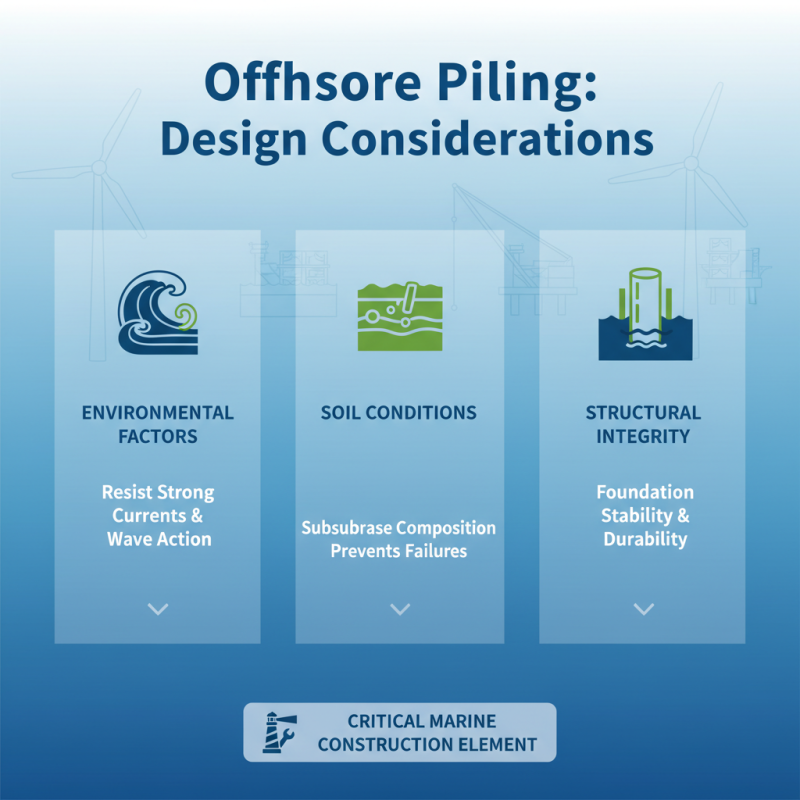
Offshore piles are an essential component in marine construction. Their unique ability to provide stability and support to structures in challenging environments makes them indispensable. These piles are designed to endure harsh marine conditions, such as strong currents and corrosive saltwater. Their effectiveness directly influences the longevity and safety of offshore constructions.
Sustainable marine construction relies heavily on the strategic use of offshore piles. They reduce the environmental impact, promoting both ecological balance and structural integrity. Engineers and environmentalists often collaborate to optimize their design, ensuring minimal disturbance to marine ecosystems. Yet, challenges remain. Issues like pile installation difficulties and environmental concerns must be addressed.
The choice of materials and methods for offshore piles can also affect sustainability. Innovative solutions are needed to enhance their effectiveness while reducing carbon footprints. It's crucial to continually assess and refine practices in using offshore piles to ensure they meet evolving sustainability standards. This ongoing reflection leads to better, more responsible marine construction.
Importance of Offshore Piles in Marine Construction
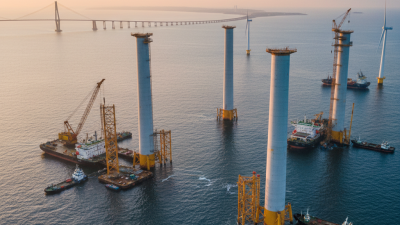
Offshore piles play a pivotal role in marine construction. These structures anchor into the seabed, providing stability for various marine projects. The ability of piles to resist lateral forces ensures the integrity of platforms, bridges, and wind turbines. Their design often considers environmental factors like wave action and soil conditions, making them adaptable to challenging marine environments.
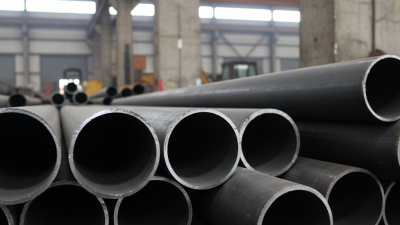
The sustainability of marine construction relies on quality materials and innovative techniques. Offshore piles minimize ecological disruption while offering durability against harsh marine conditions. The selection of materials greatly influences the lifespan of these piles. Concrete, steel, or composite materials are often used, each presenting unique benefits and challenges. It’s essential to evaluate these choices thoroughly to maximize environmental benefits.
Despite advancements, challenges remain in offshore pile installation. Marine logistics can complicate the process. Variable seabed conditions often lead to unforeseen setbacks. Each project requires careful planning and engineering expertise. Reflecting on these challenges can lead researchers and engineers toward improved practices, ultimately enhancing the sustainability of marine construction techniques.
Environmental Benefits of Using Offshore Piles
Offshore piles play a vital role in sustainable marine construction. They have significant environmental benefits that can foster healthier ecosystems. These structures minimize soil disturbance during installation. This reduces sediment displacement, allowing marine flora and fauna to thrive.
Using offshore piles also leads to lower carbon footprints. Traditional methods may require more machinery and energy. In contrast, pile foundations are often installed using environmentally friendly techniques. For example, a vibratory hammer can be utilized, which produces less noise and vibration, benefiting nearby aquatic life.
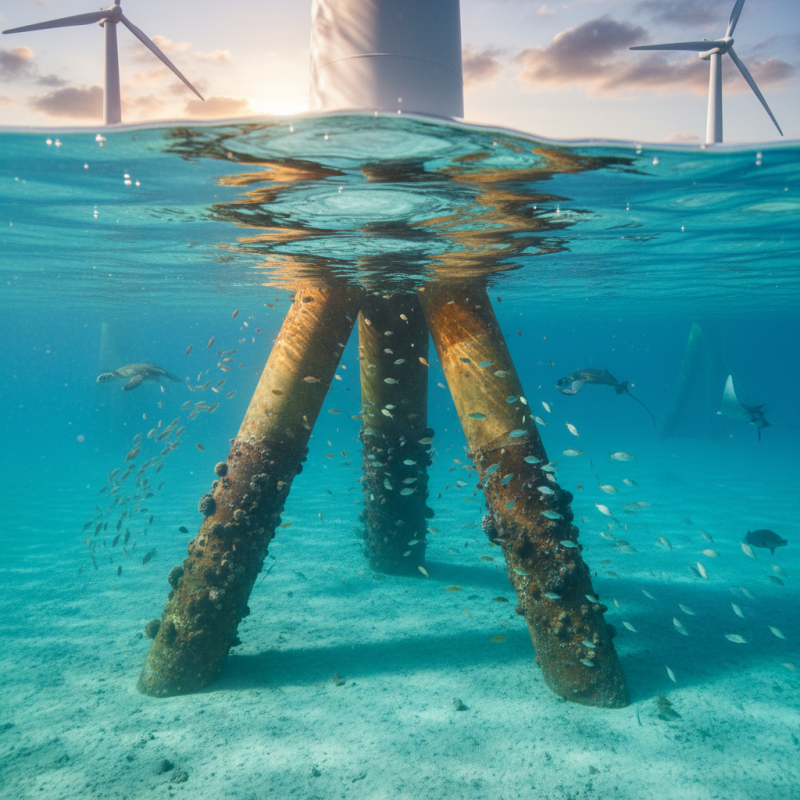
Additionally, offshore piles can promote biodiversity. They create vertical habitats in the water, attracting various marine species. This enhancement is crucial for maintaining ecosystem balance. However, this approach requires constant evaluation to ensure minimal disruption to native species. Effective monitoring programs must be in place to address any unforeseen consequences.
Why Are Offshore Piles Crucial for Sustainable Marine Construction? - Environmental Benefits of Using Offshore Piles
| Dimension |
Description |
Environmental Benefit |
| Durability |
Offshore piles are designed to withstand harsh marine conditions. |
Reduced maintenance frequency leading to lower environmental disturbance. |
| Installation Impact |
Piles are installed using methods that minimize disruption to marine habitats. |
Lower disturbance to local ecosystems and marine life. |
| Foundation Stability |
Provides a robust foundation for marine structures. |
Ensures stability and longevity, reducing need for additional structures. |
| Carbon Footprint |
Offshore piles can be made from recyclable materials. |
Reduction in overall carbon emissions associated with construction. |
| Biodiversity |
Piles create artificial reefs and habitats for marine life. |
Enhances marine biodiversity and ecosystem health. |
Challenges in Offshore Pile Installation
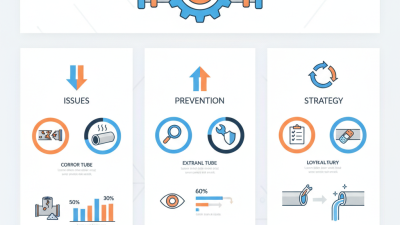
Offshore pile installation poses significant challenges in marine construction. These challenges often stem from the complex marine environment and the technical demands of the installation process. According to a recent industry report, over 40% of offshore projects face unanticipated geological conditions that complicate pile placement. This unpredictability can lead to increased costs and delays, which are critical factors to consider in project planning.
Another issue is the equipment used for installation. Many offshore piles require heavy machinery that can withstand harsh marine conditions. A survey noted that 30% of construction delays are linked to equipment malfunctions or inadequate technology for specific environments. Operators must ensure thorough site evaluations to select appropriate techniques and machinery. Furthermore, skilled labor is essential, yet the industry often suffers from shortages. This gap can hinder effective project execution.
Environmental considerations also play a role. Installing piles can disturb marine ecosystems. Studies indicate that up to 15% of marine species are affected by construction activities. This situation urges companies to seek eco-friendly installation methods while adhering to regulations. These challenges highlight the continuous need for innovation and adaptability in offshore construction practices.
Future Trends in Sustainable Offshore Pile Technology
The future of marine construction relies heavily on innovative offshore pile technology. These structures must withstand harsh ocean conditions while minimizing environmental impact. Engineers and developers are now exploring advanced materials that reduce carbon footprints. Integration of renewable energy sources into pile design is a game-changer.
Biodegradable and recyclable materials are gaining attention. They offer a way to construct without leaving lasting damage. This shift requires a balance between performance and sustainability. Some may argue that these new materials lack strength compared to traditional options. However, research is ongoing to address these concerns.
Data collection from existing projects helps guide future innovations. Stakeholders must collaborate to share insights and improve technology continuously. While challenges exist, the commitment to sustainable practices is growing. Investing in research will help develop reliable solutions. Looking ahead, offshore pile technology holds potential for greener construction methods.