What is Mild Steel Tube and its Applications in Industry?
Mild Steel Tube plays a crucial role in various industrial applications. Known for its durability and flexibility, it is one of the most widely used materials in construction and manufacturing sectors. According to a report by MarketsandMarkets, the global steel tube market is projected to reach 370 billion USD by 2026. This indicates a growing reliance on mild steel tubes in multiple industries.
The versatility of Mild Steel Tube is evident in pipelines, structural frameworks, and automotive components. In the oil and gas sector, these tubes are essential for transporting materials safely. They provide a reliable solution for handling high pressures and corrosive substances. Moreover, their excellent weldability makes them a preferred choice in construction.
Despite its advantages, there are limitations to consider. Mild steel is prone to corrosion if not properly treated. This aspect requires careful planning and maintenance in industrial applications. The ongoing research aims to enhance its properties while addressing its vulnerabilities. Understanding these intricacies helps industries make informed decisions, ensuring optimal performance and longevity of Mild Steel Tubes in diverse applications.
Definition and Composition of Mild Steel Tube
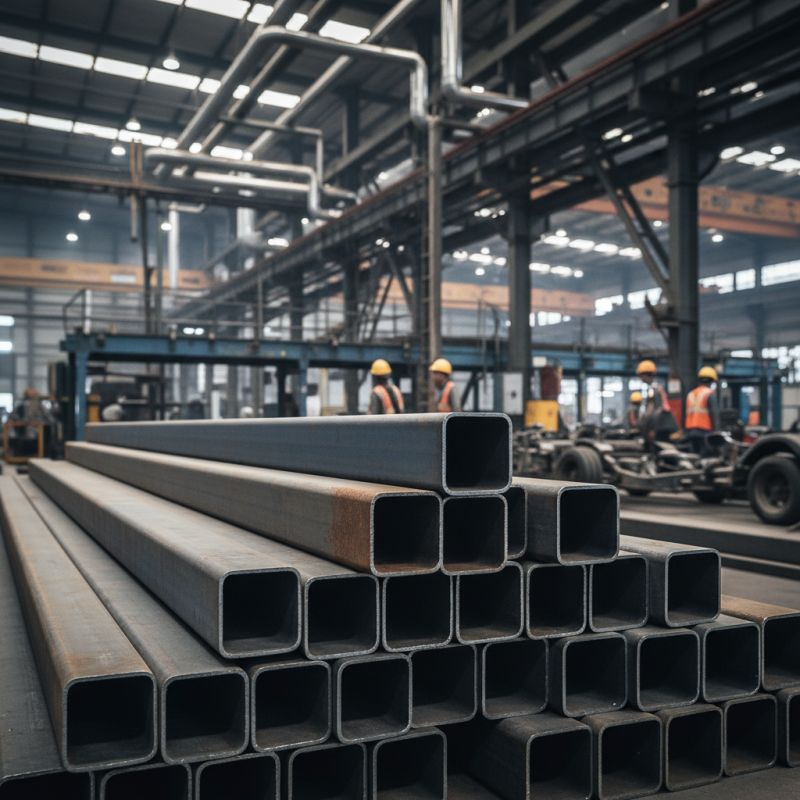
Mild steel tube is a versatile material used across various industries. Its definition hinges on the percentage of carbon it contains, typically around 0.05% to 0.25%. This low carbon content contributes to its ductility, making it easy to weld and shape. The primary composition of mild steel includes iron, carbon, and trace amounts of other elements like manganese. By adjusting these elements, manufacturers can enhance specific properties of the steel.
In terms of applications, mild steel tubes are commonly found in construction and automotive sectors. They serve as structural supports, providing strength without excessive weight. This makes them ideal for frameworks and pipelines. They are often preferred for their durability and cost-effectiveness.
However, one must note that while they resist deformation, mild steel tubes can still corrode if not properly treated. Proper surface coatings or galvanization can mitigate this risk. It's crucial for engineers to consider environmental factors when selecting materials for projects.
Properties of Mild Steel Tube in Industrial Applications
Mild steel tubes are essential in various industrial applications. Their properties make them suitable for different environments. They are widely recognized for their strength and versatility. These tubes are typically malleable, allowing easy shaping during manufacturing. Additionally, mild steel has good weldability, which is crucial in many structural applications.
The corrosion resistance of mild steel tubes is moderate, making them ideal for use in indoor environments. However, they may require protective coatings when used outdoors. Their tensile strength ensures they can withstand considerable stress. This attribute is particularly critical in construction and automotive sectors. Moreover, mild steel tubes are cost-effective, providing an economical choice for manufacturers.
While mild steel tubes offer many advantages, they do have limitations. Their susceptibility to rust demands careful maintenance. Regular inspections are recommended to avoid structural issues. Operators often face challenges with the weight of the tubes in specific applications. Awareness of these factors is crucial for engineers when planning projects.
What is Mild Steel Tube and its Applications in Industry? - Properties of Mild Steel Tube in Industrial Applications
| Property |
Description |
Applications |
| Tensile Strength |
Approx. 370 to 700 MPa |
Construction, automotive framing |
| Yield Strength |
Approx. 250 MPa |
Manufacturing machinery, pipelines |
| Corrosion Resistance |
Moderate, can be improved with coatings |
Piping systems, HVAC systems |
| Weldability |
Very good |
Fabrication of structural components |
| Machinability |
Good; can be easily machined |
Parts production, custom tools |
| Density |
Approx. 7850 kg/m³ |
Weight-sensitive applications |
Common Manufacturing Processes for Mild Steel Tubes
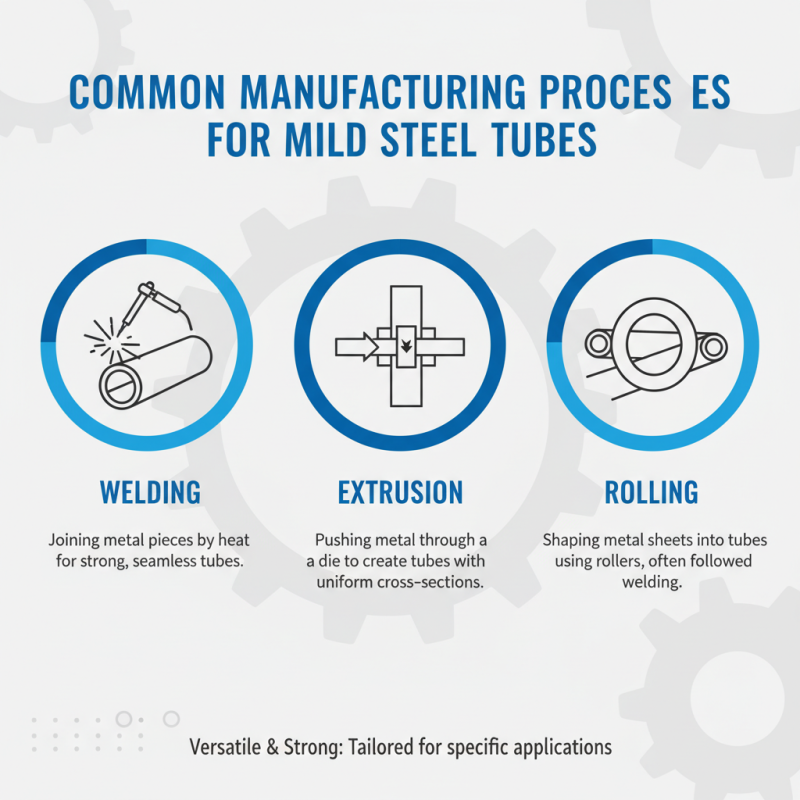
Mild steel tubes are widely used in various industries due to their versatility and strength. Manufacturing processes for these tubes include welding, extrusion, and rolling. Each method tailors the tube for specific applications, ensuring optimal performance in different environments.
Welding is a common technique for joining sections of mild steel tubes. It allows for the creation of longer structures without compromising strength. However, it's essential to monitor heat input to avoid warping. This can be tricky, necessitating careful planning and execution.
Extrusion is another effective method. It involves forcing molten steel through a die to create desired shapes. This technique often results in seamless tubes, enhancing structural integrity. Yet, controlling material flow can be challenging. It requires skilled operators to minimize defects.
Tips: Always check for consistency in wall thickness and surface quality. Small inconsistencies can lead to critical failures. Regular maintenance of equipment is key to achieving high-quality output.
Key Industries Utilizing Mild Steel Tubes and Their Uses
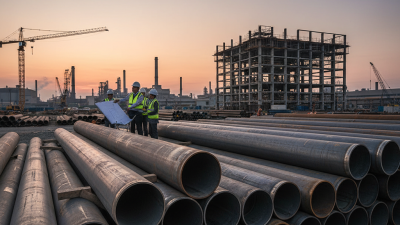
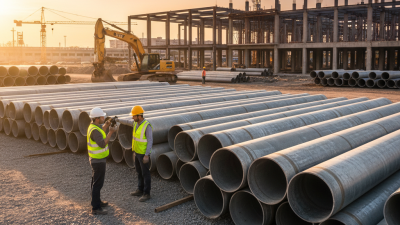
Mild steel tubes play a significant role in various industries. They are known for their strength and versatility. This makes them suitable for many applications. The construction industry utilizes mild steel tubes extensively. They are used in structural frameworks and piping systems. These tubes support buildings and infrastructure, ensuring safety and durability.
The automotive industry also relies on mild steel tubes. They are used in chassis and structural components. Their malleability allows for easy shaping, which is key for manufacturing complex parts. In addition, the oil and gas sector employs mild steel tubes. They are essential for transporting fluids under high pressure. The reliability of these tubes enhances operational efficiency.
Mild steel tubes have limitations. They can be prone to corrosion if not treated properly. Regular maintenance is crucial to ensure longevity. In sectors like aerospace, alternative materials are often preferred for added strength. This highlights the need for continuous improvement in production techniques. Emphasizing on these points helps understand the practical uses and challenges of mild steel tubes.
Mild Steel Tube Applications in Various Industries
Advantages and Limitations of Mild Steel Tubes in Construction
Mild steel tubes are widely used in construction due to their strength and flexibility. Their low cost makes them an attractive choice for various structural applications. These tubes can handle extensive loads, making them ideal for frames, beams, and columns. However, they do have some limitations.
One of the advantages is their weldability. Mild steel tubes can easily bond with other materials, creating strong connections. This property is crucial in construction, where durability is essential. Besides that, mild steel is resistant to deformation, which is vital in high-stress environments. However, it's important to note mild steel's susceptibility to corrosion. Without proper coating, exposure to moisture can lead to rust.
Another concern involves weight. While mild steel tubes are robust, their heavy nature can increase overall project weight, impacting foundation design. In seismic-prone areas, this requires careful consideration. Additionally, mild steel tubes may lack the aesthetic appeal of other materials, like aluminum or stainless steel. Not all projects will benefit from the raw look of mild steel. Ultimately, understanding these strengths and weaknesses is key to making informed decisions in construction.