10 Essential Tips for Understanding Offshore Wind Monopile Construction
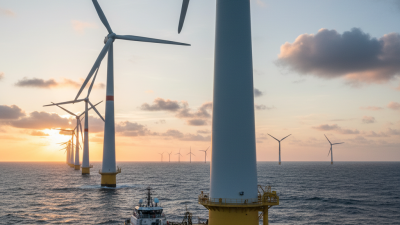
Offshore wind energy is rapidly growing. It plays a crucial role in the transition to renewable energy. Monopile foundations are a key technology in this sector. According to the Global Wind Energy Council, offshore wind capacity could reach 234 GW by 2030. This shift demands skilled professionals who understand Offshore Wind Monopile construction intricacies.
Experts believe that mastering the nuances of these foundations is essential. Dr. Emily Johnson, a leading offshore wind expert, states, "The stability of Offshore Wind Monopile structures is vital for maximizing energy output." Her remark highlights the importance of proper construction techniques and materials.
However, challenges remain. For instance, fluctuating weather conditions can disrupt construction schedules. Moreover, sourcing materials sustainably is a growing concern. The industry must continuously adapt and improve. By understanding these foundations, professionals can enhance energy efficiency in offshore projects.
Key Components of Offshore Wind Monopile Design
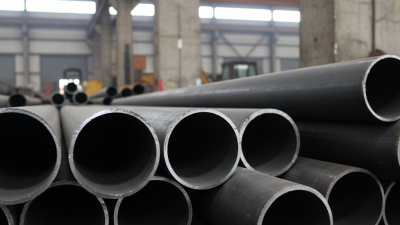
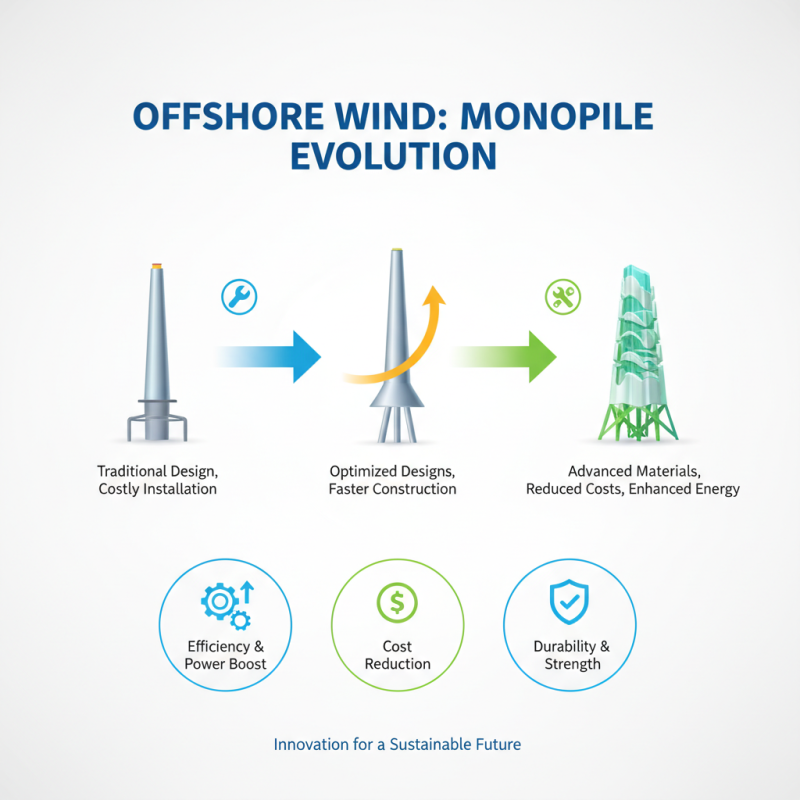
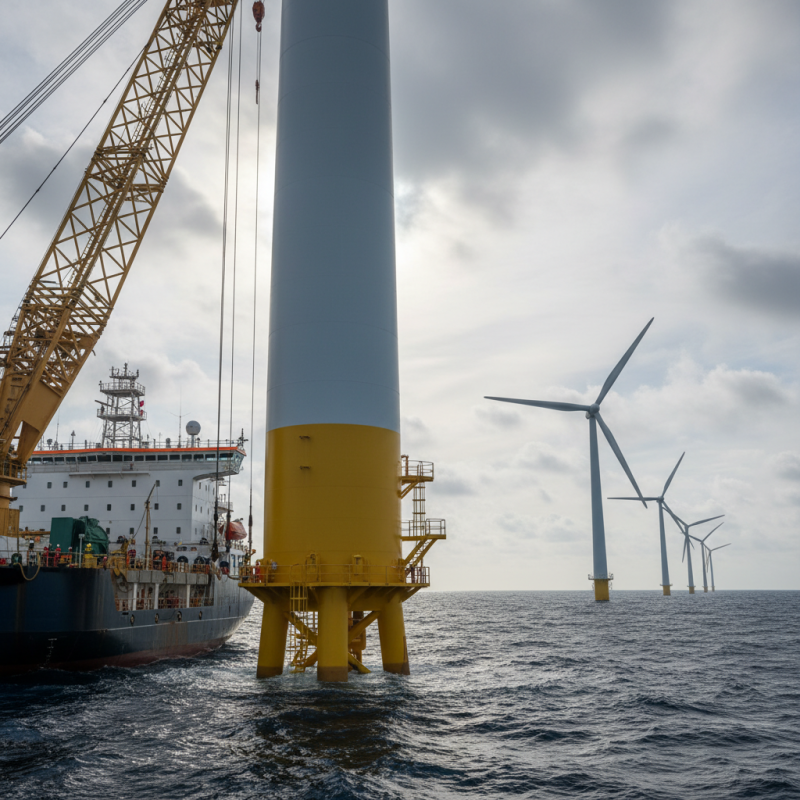
Offshore wind monopile construction involves key components that ensure stability and efficiency. Monopiles serve as the primary foundation for offshore wind turbines. They are typically made of steel and are driven deep into the seabed to withstand harsh marine conditions. According to recent industry reports, a monopile may measure up to 10 meters in diameter and reach depths of 30 meters or more, depending on site conditions.
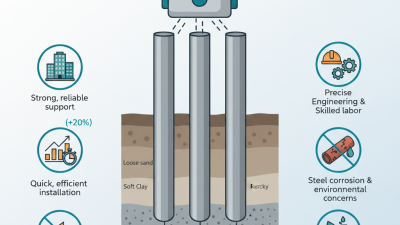
Tip: When assessing site suitability, consider soil type and seabed conditions. These factors influence the design and installation of monopiles. For instance, softer soils may require larger monopiles or additional support mechanisms. This can significantly impact project costs and timelines.
Another crucial aspect of monopile design is the transition piece. This component connects the monopile to the turbine. Transition pieces typically include features for cable management and access platforms for maintenance. If not designed effectively, maintenance can become challenging, increasing operational costs. Monopiles also face fatigue loading due to wind and wave action, necessitating robust engineering to prevent structural failure.
Tip: Regular inspections during and after construction can mitigate future issues. Implementing a proactive approach to maintenance can enhance the longevity and effectiveness of offshore wind farms. Balancing structural integrity with cost efficiency is vital in this evolving industry.
Construction Process: From Site Preparation to Installation
Offshore wind monopile construction is a complex process that involves several critical steps. Site preparation initiates the project. This includes detailed surveys of the seabed and environmental assessments. It's important to identify potential challenges early on. This can save time and resources later.
One essential tip is to ensure that all equipment is suitable for marine conditions. Deterioration can occur quickly at sea. Operators should conduct regular inspections to maintain safety and efficiency. Weather conditions also play a role; rough seas can delay the installation process.
When it comes to installation, accuracy is vital. Monopiles must be positioned precisely. One misaligned monopile can create long-term issues for the wind farm. It’s essential to have backup plans for unexpected challenges during this phase. Communication among the team is also crucial. The construction crew should always be prepared for adjustments based on real-time conditions.
Safety Standards and Regulations in Monopile Construction
In offshore wind monopile construction, safety is paramount. Construction teams must adhere to strict safety standards. Each worker should receive comprehensive training on equipment handling. Proper use of personal protective equipment is essential. Common hazards include falling objects and moving machinery. Regular safety drills can help mitigate risks. However, incidents can still occur, highlighting the need for ongoing review and refinement of safety protocols.
Regulations vary by region, but they are fundamental to ensuring worker safety. Compliance with local laws is non-negotiable. Teams should regularly consult regulatory updates. This process can be cumbersome. It may lead to gaps or oversights in understanding requirements. Keeping an updated checklist can aid in staying compliant. Also, engaging with local authorities can provide valuable insights.
Constructing monopiles is a significant challenge, and safety must remain a top priority throughout the process. Addressing safety concerns should lead to better outcomes and a more secure working environment.
Challenges and Solutions in Offshore Wind Monopile Projects
Offshore wind monopile construction presents unique challenges. These challenges often include dealing with unpredictable weather conditions, strong marine currents, and complex logistics. Monopiles must be designed to withstand harsh environments, which can drive up costs and timelines. The effectiveness of these projects hinges on how well teams can address these issues.
One essential tip is to plan for flexibility. Construction schedules must account for potential weather delays. Real-time monitoring of sea conditions can help teams make quick decisions. Additionally, logistical challenges related to transporting large monopiles require careful planning. Finding the right balance between cost efficiency and safety is crucial.
Effective communication among team members plays a key role. Sharing updates and progress helps everyone stay informed. It is vital to foster an atmosphere where team members can voice concerns. This leads to an adaptive approach in problem-solving. Overcoming obstacles is often about collaborative effort and the will to learn from setbacks.