How to Build Effective Combi Walls for Enhanced Stability and Durability?
Building effective Combi Walls is essential for enhancing stability and durability in various construction projects. These structures are designed to perform well in challenging environments, particularly in coastal and waterfront areas. A recent study by the International Association of Foundation Engineers emphasizes that Combi Walls can significantly reduce lateral pressures, increasing the overall safety of waterfront structures.
The benefits of Combi Walls are evident, but challenges exist. Failure to follow industry best practices may lead to structural issues, undermining their intended purpose. According to the American Society of Civil Engineers, improper installation can reduce their lifespan by up to 30%. This highlights the importance of adhering to design specifications and employing qualified contractors.
As we explore effective methods to construct Combi Walls, it becomes clear that experience and expertise play pivotal roles. Inadequate knowledge can lead to critical mistakes. Therefore, continuous learning from past projects is crucial. Combi Walls may seem straightforward, but achieving optimal performance requires careful planning and execution. This ultimately influences their durability and stability in real-world conditions.
Understanding the Basics of Combi Walls and Their Applications
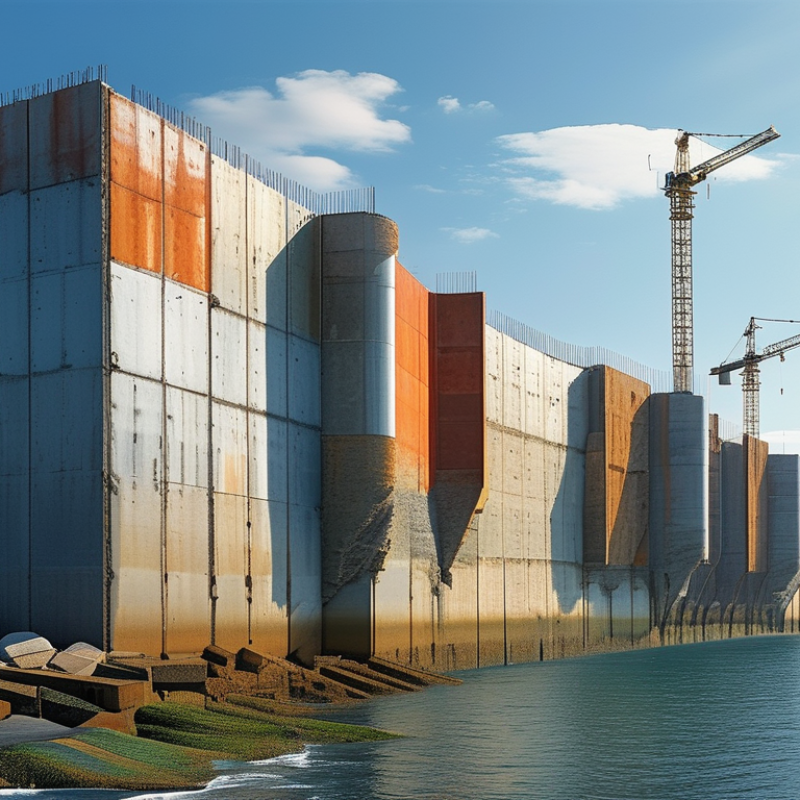
Combi walls, composed of both sheet piles and concrete elements, play a vital role in coastal and riverbank protection. Understanding their basic design and applications is essential for engineers and construction professionals. These walls provide enhanced stability and durability, making them ideal for varied soil and water conditions. According to a report from the International Journal of Civil Engineering, proper design can increase the lifespan of combi walls by up to 30%.
In practical terms, choosing the right materials and construction methods is crucial. The positioning of sheet piles impacts the overall performance of the wall. Traditional steel sheet piles can resist corrosion, while composite materials offer lighter options. Incorporating active monitoring systems can help maintain stability and integrity over time.
Tips: Regular inspections are crucial. Check for signs of wear or stress. It's also important to use advanced modeling techniques to predict potential failures. Consider environmental impact assessments to address long-term sustainability concerns. While a combi wall’s design may meet current standards, unpredicted conditions or climate changes could pose risks. Being proactive in these areas contributes enormously to effectiveness and longevity.
Materials Required for Constructing Durable Combi Walls
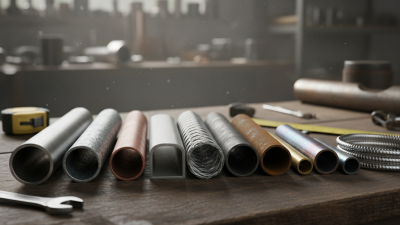
When constructing durable combi walls, the choice of materials plays a critical role. High-quality concrete ensures strength and longevity. Reinforcement bars, or rebar, provide structural support. Using weather-resistant timber adds flexibility and aesthetic appeal. These components work together to create a robust wall system.
It is essential to consider the soil condition before starting. Different soil types require different approaches in wall construction. For example, sandy soils may need additional drainage solutions. On the other hand, clay soils may necessitate deeper footings. Each scenario requires tailored material applications.
Furthermore, the installation process needs careful attention. Mixing proportions of concrete must be precise for durability. Any deviation can lead to cracks over time. Ensure that all materials are compatible with environmental conditions. Regular inspections during construction help identify potential issues early on. Building a combi wall is a complex task that demands expertise.
Step-by-Step Guide to Building Combi Walls for Stability
Building combi walls can significantly enhance the stability of structures. These walls combine two materials, typically concrete and masonry. The integration provides the strength of concrete and the aesthetic appeal of masonry. When constructing combi walls, careful planning is essential. Begin by assessing the site and understanding soil conditions. This helps in determining the necessary wall dimensions.
Selecting the right materials is crucial. Use high-quality concrete and masonry blocks to ensure durability. Consider the environment; materials should withstand local weather conditions. The construction method matters too. Proper layering of materials enhances adhesion. Ensure that the concrete core is poured correctly. Avoid common mistakes, such as insufficient curing time. Always double-check the alignment of the wall. Misalignment can lead to stability issues over time.
During the building process, continuous reflection is vital. Observe any challenges that arise. Are the blocks fitting properly? Is the concrete setting as expected? Addressing these concerns promptly can prevent larger issues later. Ensure safety measures are in place throughout the work. A sturdy combi wall takes time and attention, but the results are worth the effort.
Materials Used in Combi Wall Construction
Techniques for Reinforcing Combi Walls Against Environmental Forces
When constructing combi walls, reinforcing them against environmental forces is essential for longevity and stability. These walls often bear the brunt of wind, water, and seismic activity. One effective technique is incorporating steel reinforcements within the wall structure. Steel provides flexibility and strength, ensuring that the wall can withstand pressure without cracking.
Another strategy involves the use of advanced materials. High-performance concrete can be mixed with additives that improve its resistance to moisture and temperature fluctuations. This type of concrete is less prone to wear and cracking. However, sourcing these materials may pose challenges. Not all suppliers can meet quality standards consistently, which can affect the overall integrity of the wall.
Regular maintenance also plays a key role in the effectiveness of combi walls. Inspections should be scheduled to identify any signs of deterioration. Noticing small issues early can prevent larger problems down the line. In some cases, property owners overlook this aspect, leading to costly repairs. Building combi walls with these techniques ensures they endure environmental challenges, but attention to detail throughout the process is crucial.
Maintenance Practices to Ensure Long-term Durability of Combi Walls
When constructing combi walls, regular maintenance is crucial for long-term durability. Inspecting the wall for cracks or signs of wear is essential. Small issues can lead to bigger problems if neglected. Moisture can weaken the wall structure, so identifying water leaks early is important.
Cleaning the drainage systems regularly helps prevent water accumulation. Even a small blockage can lead to significant water damage. Monitor the condition of the backfill material. Compaction decreases over time, leading to potential instability. Resealing joints and applying protective coatings can enhance the wall's resilience.
Emphasizing quality materials during the initial build is necessary, but ongoing care cannot be overlooked. Evaluate the performance of the combi wall every year. Use a checklist to document any changes in its condition. This will help identify patterns or recurring issues. An experienced inspector can provide valuable insights to improve overall durability. Reflecting on past maintenance practices can guide future efforts for a more stable structure.