What are Driven Steel Tubular Piles and their Benefits?
Driven Steel Tubular Piles are a crucial component in modern construction and civil engineering. They provide strong and reliable support for structures, especially in challenging soil conditions. According to a report by the American Society of Civil Engineers, the use of steel tubular piles has increased by approximately 20% in the past decade. This growth reflects their effectiveness and durability compared to traditional piling solutions.
Experts in the field emphasize the benefits of Driven Steel Tubular Piles. Dr. Emily Carter, a renowned geotechnical engineer, once stated, "Driven Steel Tubular Piles offer unmatched performance in terms of load-bearing capacity and efficiency." These piles can be installed quickly and with less noise than others, which is vital in urban settings.
However, the use of Driven Steel Tubular Piles isn't without challenges. Their installation requires precise engineering and skilled labor. Also, environmental concerns regarding steel corrosion and waste must be addressed. Continuous advancements in materials and techniques are essential to maximize their potential and minimize drawbacks.
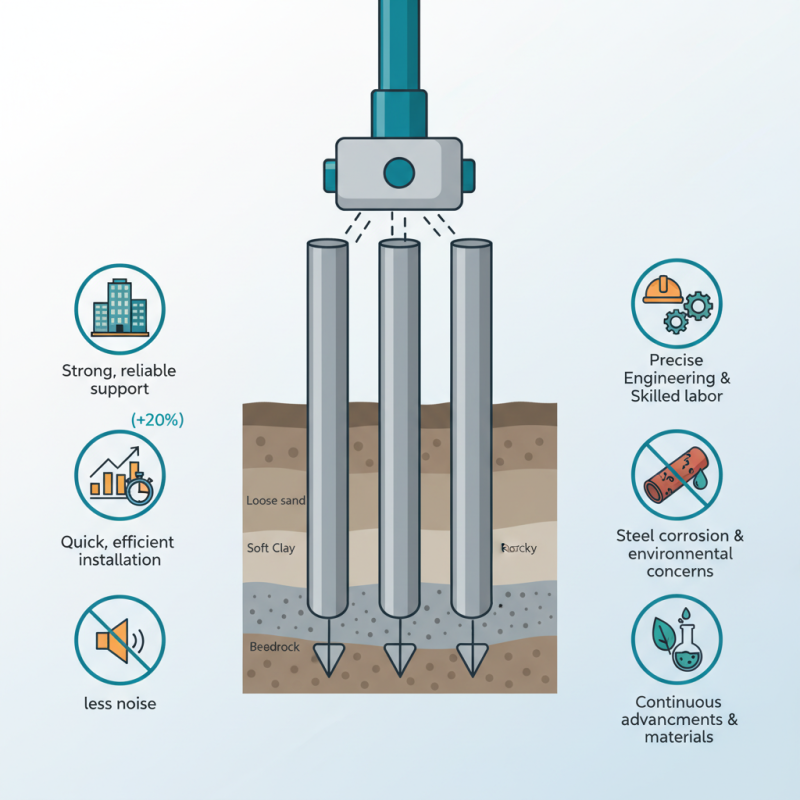
What are Driven Steel Tubular Piles?
Driven steel tubular piles are a popular choice in the construction industry. They consist of hollow steel sections that are driven deep into the ground. This design allows for effective load-bearing capabilities. According to the Deep Foundations Institute, these piles can reach depths of over 100 feet, providing strong foundations for various structures.
One key advantage of driven steel tubular piles is their resistance to corrosion. A report from the American Society of Civil Engineers states that steel piles can last over 75 years with proper maintenance. This durability reduces long-term costs. Additionally, their installation process is less disruptive than other piling methods. However, some challenges exist. The driving process can create vibrations, affecting nearby structures. It's crucial to assess site conditions before proceeding.
Driven steel tubular piles are also adaptable. They can be used in various soil types, including loose sands and clays. Their flexibility can meet the demands of different projects. However, engineers must consider soil properties and load requirements carefully. An ill-fitting pile can lead to failure and increased costs. Balancing these factors is vital for successful implementation.
Manufacturing Process of Driven Steel Tubular Piles
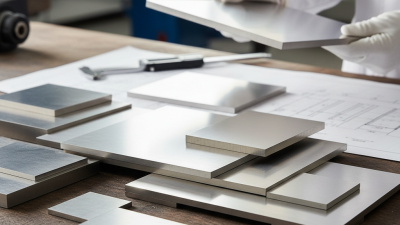
Driven steel tubular piles are an essential component in modern construction. Their manufacturing process involves several critical steps. First, steel plates are cut and rolled into cylindrical shapes. These cylinders then undergo welding along the seams to ensure structural integrity. After welding, these piles are subjected to rigorous quality checks. This step often reveals imperfections that require refinement, highlighting the need for quality in manufacturing.
When the piles are ready, they are coated to resist corrosion. This is crucial for longevity in challenging environments. The coatings often require careful application to avoid defects. Attention to detail is key in this stage. Workers must maintain precision to ensure maximum durability.
**Tips:** Regular inspections during the manufacturing process can prevent costly errors. Consider involving skilled welders for better seam integrity. Ultimately, reflect on the importance of every step in creating functional and reliable driven steel tubular piles.
Advantages of Using Driven Steel Tubular Piles in Construction
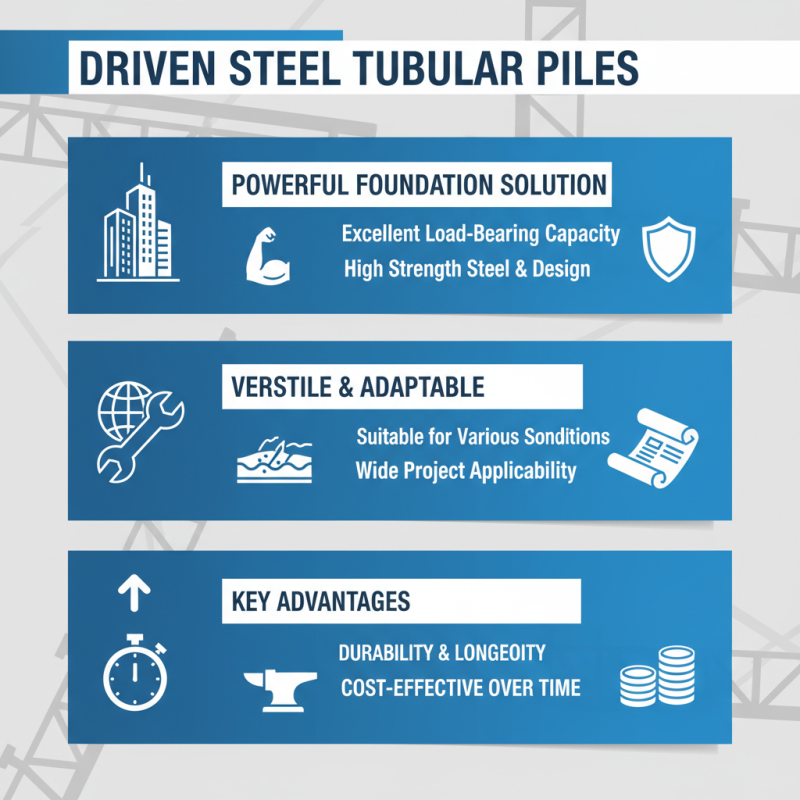
Driven steel tubular piles are a powerful solution in construction. They offer many advantages, making them a popular choice for foundation systems. One major benefit is their ability to provide excellent load-bearing capacity. This strength comes from the steel material and the pile's design. Additionally, they can be installed in various soil conditions. This versatility makes them suitable for most projects.
One thing to keep in mind is the installation process. While driven piles are efficient, they require skilled labor and proper equipment. Poor installation can lead to issues down the line. It's crucial to ensure a thorough site assessment before construction begins. Regularly check the piles during and after installation. This helps prevent any unforeseen problems.
Tips for using driven steel tubular piles include considering the environment. The surrounding soil type can affect the performance of the piles. Engineers should always evaluate soil properties first. Also, don't forget to consider noise and vibration controls. In urban areas, minimizing these factors is essential to avoid disturbing nearby structures. Focusing on these details can enhance project success.
Applications of Driven Steel Tubular Piles in Various Projects
Driven steel tubular piles are increasingly prevalent in various construction projects. They are known for their high load-bearing capacity. In bridge foundations, for example, these piles excel in offering strong support. A study from the American Society of Civil Engineers highlights that approximately 70% of new bridge constructions in the U.S. utilize driven piles. This reflects their reliability in critical infrastructures.
In coastal projects, driven steel tubular piles also have significant applications. They resist corrosion, which is crucial in marine settings. According to a recent report from the U.S. Geological Survey, roughly 80% of coastal infrastructure uses steel piles. Their design can be tailored for different depths, accommodating varied soil conditions. However, installation can pose challenges. For instance, achieving the right driving depth requires careful planning and sometimes, repeated adjustments.
In urban settings, driven steel tubular piles support skyscrapers and large buildings. They provide stability in complex soil conditions, often improving the building's overall longevity. A construction analysis revealed that using these piles reduced settlement issues in 60% of recent high-rise projects. Yet, quality control during installation is essential. Improper techniques can compromise structural integrity. Rethinking installation methods could enhance practical outcomes.
What are Driven Steel Tubular Piles and their Benefits? - Applications of Driven Steel Tubular Piles in Various Projects
| Project Type |
Application |
Benefits |
Load Capacity |
Material |
| High-Rise Buildings |
Deep Foundation Support |
High durability and structural stability |
Up to 2000 kN |
Steel |
| Bridges |
Piling Systems for Abutments |
Rapid installation and high load-bearing |
Up to 1500 kN |
Steel |
| Marine Structures |
Support for Ports and Jetties |
Corrosion resistance and longevity |
Up to 1800 kN |
Steel |
| Industrial Facilities |
Machinery Foundations |
Excellent vibration damping |
Up to 2500 kN |
Steel |
| Wind Farms |
Turbine Foundations |
High axial capacity and resistance to lateral loads |
Up to 3000 kN |
Steel |
Environmental Impact and Sustainability of Driven Steel Tubular Piles
Driven steel tubular piles are becoming popular in construction. They offer benefits like high load capacity. However, their environmental impact is an important factor.
The manufacturing process of steel piles requires significant energy. Data from the World Steel Association indicates that steel production accounts for about 7% of global CO2 emissions. Also, sourcing raw materials can affect local ecosystems. Yet, steel piles can be recycled, reducing waste in landfills. The recyclability of steel is a critical factor for sustainability. In fact, approximately 90% of steel can be reused.
Using driven steel tubular piles may lead to soil disturbance. This can affect groundwater and nearby vegetation. Site assessments are essential before installation. Proper planning can mitigate these risks. It's vital to consider both benefits and potential downsides. Balancing construction needs against environmental impact can lead to smarter choices.