Top Benefits of Combi Walls for Coastal Protection and Flood Defense
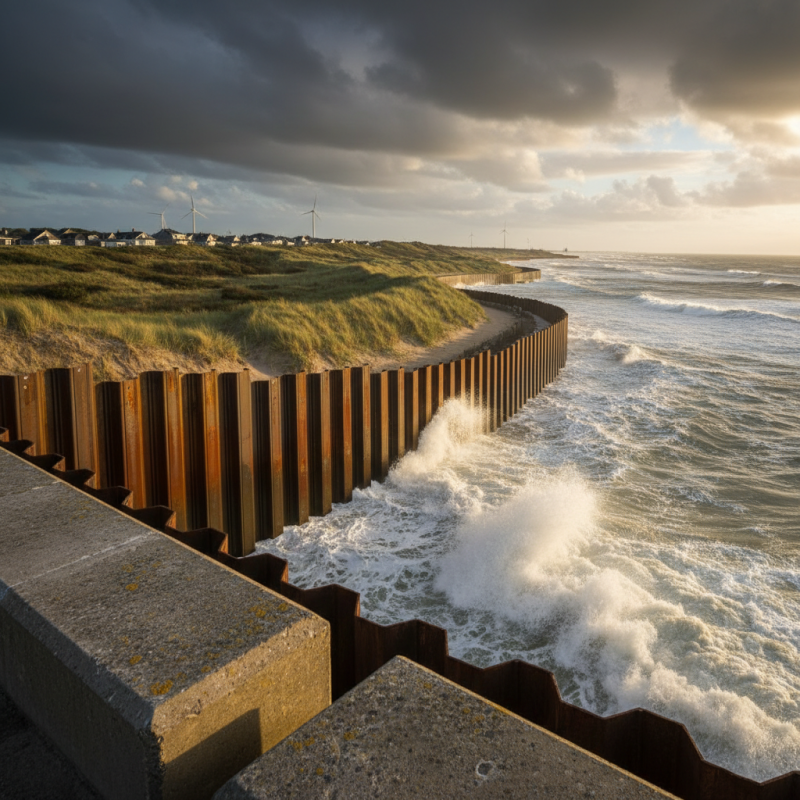
In the face of increasing coastal erosion and rising sea levels, the significance of effective flood defense systems has become paramount. Among the various solutions available, Combi Walls stand out as a practical and efficient choice for coastal protection. These innovative structures combine the benefits of both sheet piles and concrete components, providing a robust barrier against the ravages of storm surges and flooding. By integrating the strengths of different materials, Combi Walls not only enhance the structural integrity required for effective defense but also offer flexibility in design to meet the specific needs of diverse coastal environments.
Furthermore, Combi Walls promote sustainable coastal management by minimizing environmental impact while maximizing defensive capabilities. Their design allows for easier installation and maintenance, making them an economically viable option for municipalities grappling with the financial burdens of disaster preparedness. As the frequency of extreme weather events increases, investing in Combi Walls emerges as a strategic response to ensure resilience against coastal threats, protect vulnerable communities, and safeguard precious ecosystems. By examining the top benefits of Combi Walls, we can better understand their vital role in shaping the future of coastal defense and flood management systems.
Benefits of Combi Walls in Coastal Protection and Flood Defense
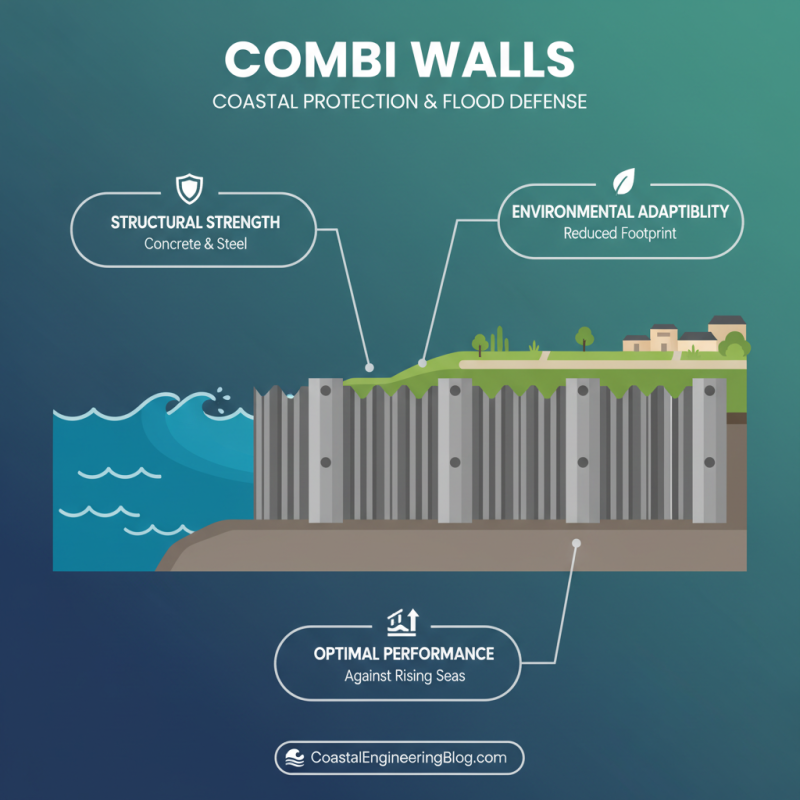
Combi walls have emerged as an effective solution for coastal protection and flood defense, providing a unique blend of structural strength and environmental adaptability. These walls typically consist of a combination of both concrete and sheet piling, allowing them to withstand the dynamic forces of coastal waves while maintaining a lower environmental footprint compared to conventional structures. One of the primary benefits of combi walls is their ability to be designed to specific site conditions, ensuring optimal performance against rising sea levels and increased flood risks.
In addition to their robust physical characteristics, combi walls also contribute positively to the surrounding ecosystem. They can be integrated with natural landscaping features, promoting biodiversity and enhancing the resilience of coastal environments. By using dual materials, these walls can be more cost-effective and quicker to install, minimizing disruption to local communities and wildlife. Furthermore, their adaptability means they can be reinforced or modified over time, ensuring ongoing protection as environmental conditions change.
Engineering Principles Behind Combi Walls for Effective Flood Management
Combi walls, an advanced solution in coastal protection and flood defense, embody a blend of various engineering principles that enhance their effectiveness in managing flood risks. The hybrid design typically combines steel sheet piles and concrete elements, providing a robust barrier against rising water levels. According to the National Oceanic and Atmospheric Administration (NOAA), the global sea level is expected to rise by an average of 1 to 4 feet by 2100, necessitating innovative approaches like combi walls to mitigate flooding in vulnerable regions.
The engineering behind combi walls is critically underpinned by principles of hydraulic engineering and structural integrity. By utilizing extensive site-specific analyses, including soil mechanics and fluid dynamics, engineers can design combi wall systems that are tailored to withstand specific environmental challenges. A study conducted by the Coastal Engineering Research Center (CERC) indicates that integrating advanced modeling techniques with real-time data monitoring enhances the wall's resilience against dynamic coastal conditions. This allows for adaptive management strategies where adjustments can be made in response to changing weather patterns and tidal movements, ultimately improving community safety and infrastructure sustainability.
Top Benefits of Combi Walls for Coastal Protection and Flood Defense
| Benefit |
Description |
Engineering Principle |
Impact on Flood Management |
| Structural Stability |
Provides robust support against extreme weather and tidal forces. |
Use of interlocking systems and durable materials. |
Reduces risk of structural failure during storms. |
| Cost Efficiency |
Lower long-term costs due to reduced maintenance needs. |
Integration of multiple functions (e.g., flood defense and habitat creation). |
Minimizes expenditures on repairs and replacements. |
| Environmental Integration |
Supports local ecosystems and enhances biodiversity. |
Design that accommodates environmental factors. |
Promotes natural flood mitigation processes. |
| Adaptability |
Can be modified to fit various geographical and climatic conditions. |
Versatile design principles allow for customization. |
Increases effectiveness in diverse flood scenarios. |
| Community Resilience |
Enhances safety and livability in coastal areas. |
Strong community involvement in planning and execution. |
Fosters local preparedness and confidence in flood defense. |
Case Studies: Successful Implementation of Combi Walls Worldwide
Combi walls have emerged as a highly effective solution for coastal protection and flood defense, with numerous successful implementations observed globally. Notably, cities like Rotterdam have reaped significant benefits from the installation of combi walls, integrating both sheet piles and concrete structures. In Rotterdam, these walls not only shield against rising sea levels but also support the infrastructure of bustling urban areas. Similarly, in Mumbai, combi walls have been pivotal in mitigating flooding during monsoon seasons, showcasing their adaptability to diverse climatic conditions and urban landscapes.
When considering the implementation of combi walls, planning is key. Ensure that you engage with local engineering experts to assess the specific site conditions and environmental factors. Additionally, it’s beneficial to involve the community in discussions, as their input can help refine project goals and enhance public support. Regular maintenance checks post-installation are also essential to ensure the durability and effectiveness of these walls.
The success stories from around the world underline the versatility and resilience of combi walls in flood-prone regions. For example, in New Orleans, combi walls have played a crucial role in flood control post-Hurricane Katrina, demonstrating how rigorous design and construction can significantly enhance safety and community resilience. By studying these case examples, your region can adopt best practices and navigate potential challenges effectively.
Environmental Impact Assessment of Combi Walls in Coastal Areas
The environmental impact assessment of combi walls in coastal areas plays a crucial role in determining their efficacy and sustainability. Combi walls, which typically consist of a combination of sheet piles and concrete structures, serve as robust barriers against flood and erosion risks while also facilitating environmental preservation. Assessing their environmental impact involves evaluating both their positive and negative effects on marine and terrestrial ecosystems, sediment dynamics, and water quality.
One significant aspect of the environmental impact assessment is the interaction of combi walls with local habitats. These structures can affect tidal flows and natural sediment transport processes, potentially altering the ecological balance of coastal regions. On one hand, they provide necessary flood protection and reduce habitat loss due to erosion, but on the other hand, they can disrupt the natural movement of species and sediments, affecting habitats such as wetlands and shorelines. Additionally, the materials used in the construction of combi walls must be scrutinized to prevent chemical leaching into surrounding waters, which could pose risks to marine life and water quality.
Furthermore, stakeholder engagement is vital in the environmental impact assessment process, as local communities and environmental groups can provide insights into the socio-economic implications of combi walls. This collaborative approach ensures that the design and implementation of these structures not only address flood defense needs but also incorporate considerations for ecological integrity and community wellbeing. Ultimately, a thorough environmental impact assessment helps to strike a balance between engineering solutions and ecological conservation in coastal management practices.
Top Benefits of Combi Walls for Coastal Protection and Flood Defense
Comparative Analysis: Combi Walls vs Traditional Coastal Defense Structures
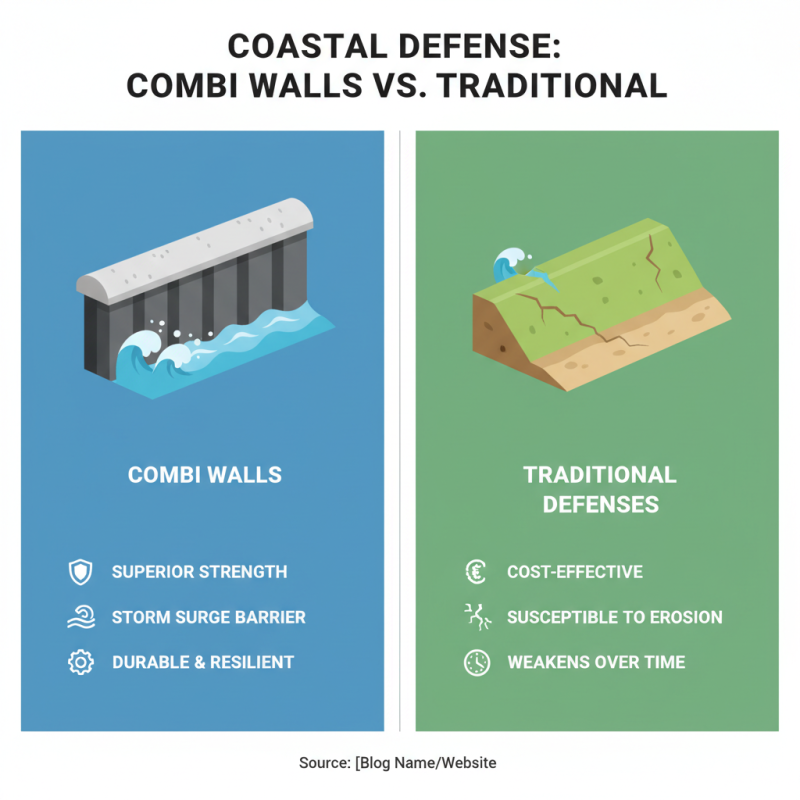
When comparing combi walls to traditional coastal defense structures, it's essential to evaluate their design features and effectiveness in flood protection. Combi walls consist of a steel sheet pile combined with a concrete component, offering a strong barrier against storm surges and high tides. This design not only provides superior structural integrity but also enhances aesthetics and space utilization in coastal areas. Traditional defenses, such as earthen levees, while cost-effective, often lack the durability and resilience of combi walls, making them more susceptible to erosion and weakening over time.
Furthermore, the installation process for combi walls can be less disruptive to the surrounding environment compared to traditional methods. Conventional coastal defenses often require extensive land alteration and ongoing maintenance to manage erosion. In contrast, combi walls can be integrated into existing landscapes more seamlessly, allowing for improved ecological sustainability. Their ability to withstand extreme weather events is another decisive factor; while traditional barriers may need frequent repairs, combi walls can provide a long-term solution with significantly reduced maintenance needs. This efficiency makes them an attractive option for municipalities seeking resilient coastal infrastructure.