What is Combi Sheet Piles and How They Benefit Your Project?
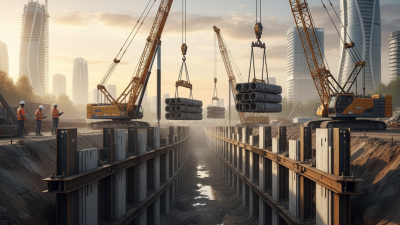
Combi Sheet Piles are a vital innovation in the construction industry, providing strong support for various projects. These piles combine the benefits of both steel and concrete, addressing unique site challenges effectively. According to a recent industry report, the demand for Combi Sheet Piles has increased by over 30% in the last five years, driven by their efficiency and versatility.
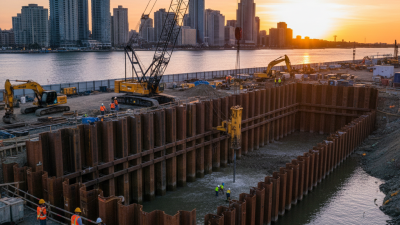
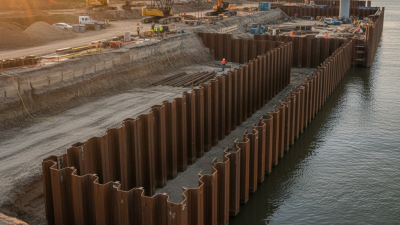
Their unique design offers excellent resistance against lateral loads and water pressure. This makes them suitable for use in marine environments, waterfront developments, and earth retention applications. A study by the International Association of Foundation Drilling highlights that projects using Combi Sheet Piles often experience reduced construction time and costs, owing to their swift installation process.
However, not all projects benefit equally from Combi Sheet Piles. Site conditions, soil properties, and project scale should be carefully evaluated. A poorly assessed application can lead to underperformance. Despite these challenges, when chosen correctly, Combi Sheet Piles can significantly enhance project outcomes, merging durability with economic advantage.
What Are Combi Sheet Piles and Their Composition?
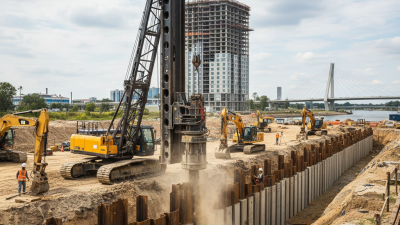
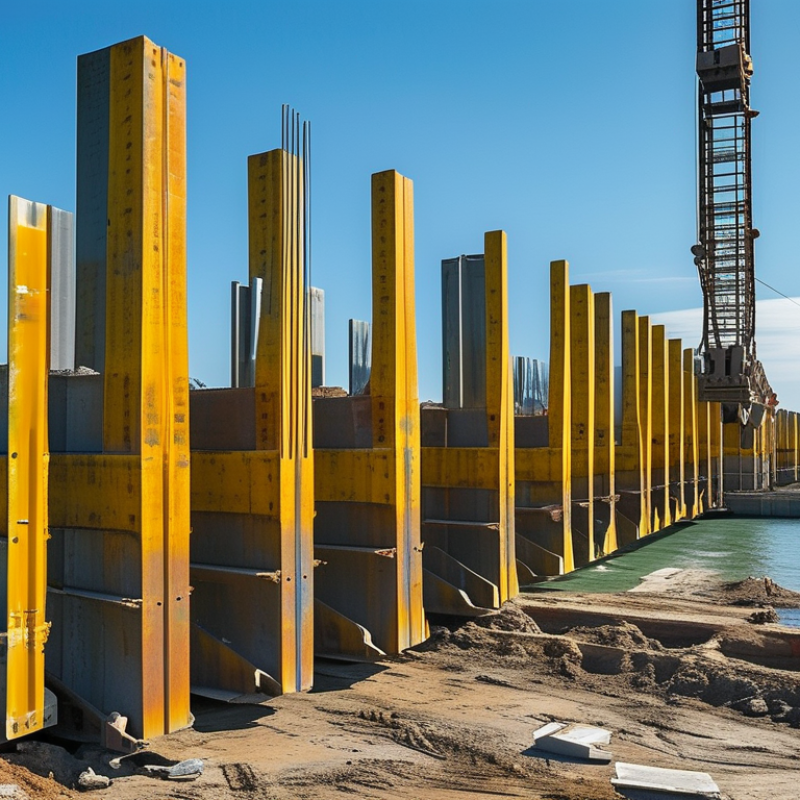
Combi sheet piles are a blend of different materials designed for deep foundation projects. They typically combine steel and concrete elements, providing unique benefits for various applications. The composition often includes a steel spine for strength and reinforced concrete for added durability. This combination yields a lightweight yet strong solution suitable for challenging environments.
These piles are ideal for sites with variable soil conditions. Their design allows for flexibility while maintaining stability. Engineers appreciate their ability to resist lateral loads effectively. This characteristic is crucial for projects needing reliable support, such as waterfront developments or deep excavations.
While combi sheet piles offer exceptional advantages, they come with considerations. The installation process can be complex, requiring skilled labor. There may be logistical challenges related to transportation and handling on-site. Understanding these aspects is essential for project managers. By weighing the benefits against potential drawbacks, informed decisions can be made. This ensures that combi sheet piles serve their intended purpose effectively, enhancing overall project outcomes.
The Structural Advantages of Combi Sheet Piles in Construction
Combi sheet piles are an innovative solution widely used in construction projects. These structures combine the advantages of both steel and concrete, offering remarkable durability. The design allows for enhanced stability and resistance against various environmental factors. With a superior load-bearing capacity, they significantly reduce the risk of failure in challenging soil conditions.
One of the notable structural advantages of combi sheet piles is their ability to adapt to different soil types. They perform exceptionally well in soft soils, where traditional piling struggles. This adaptability can save time and resources on excavation and foundation work. Additionally, combi sheet piles enhance the efficacy of retaining walls. They minimize lateral earth pressure, protecting against water infiltration and soil erosion.
However, it’s essential to consider the installation process. While combi sheet piles offer many benefits, their deployment can be complex. Proper planning is vital to ensure optimal performance. Mistakes during installation can compromise their effectiveness. Engineers must weigh the pros and cons, considering project-specific conditions. While combi sheet piles are promising, their success hinges on experience and careful execution.
Cost-Effectiveness of Combi Sheet Piles Compared to Traditional Options
Combi sheet piles combine two different materials: steel and concrete. This design enhances structural integrity while minimizing costs. According to industry reports, projects using combi sheet piles can achieve up to 20% savings compared to traditional methods, such as using only steel or concrete alternatives. This makes combi piles an attractive option for many construction projects.
An essential aspect of cost-effectiveness is installation efficiency. Combi sheet piles are typically lighter than traditional options, resulting in less equipment and labor requirements. Projects can be completed faster, reducing the overall expense. A study indicated that reduced installation time can lead to a 15% decrease in labor costs. However, proper site assessment is crucial before choosing this option.
Ensuring project success involves careful planning. Evaluate soil conditions and structural needs thoroughly. Properly trained personnel should handle installation to maximize benefits. Familiarizing yourself with potential drawbacks is equally important. While combi sheet piles are sturdy, neglecting the surrounding environment can lead to unforeseen challenges. Awareness of local regulations and environmental impact is vital.
What is Combi Sheet Piles and How They Benefit Your Project? - Cost-Effectiveness of Combi Sheet Piles Compared to Traditional Options
| Dimension |
Combi Sheet Piles |
Traditional Sheet Piles |
| Installation Speed |
High |
Moderate |
| Material Efficiency |
Very High |
Low |
| Cost per Linear Meter |
$50 - $80 |
$70 - $120 |
| Load-Bearing Capacity |
High |
Medium |
| Environmental Impact |
Lower |
Higher |
| Durability |
Long-lasting |
Variable |
Environmental Impact and Sustainability of Using Combi Sheet Piles
Combi sheet piles represent an innovative solution in construction, particularly for projects involving waterfronts and soft soils. Their design combines both steel and concrete elements, providing enhanced stability and strength. This dual material use not only improves mechanical properties but also addresses environmental concerns associated with construction processes. According to a 2020 industry report, sustainable construction practices can reduce the overall carbon footprint by up to 30%.
The environmental impact of using combi sheet piles is significant. They offer a longer lifespan compared to traditional piles, which means less frequent replacements and lower resource consumption over time. Additionally, their installation process tends to generate less noise and vibration, minimizing disruption to local ecosystems. However, some argue that the initial material extraction can offset these benefits. A careful analysis is required to weigh environmental impacts against project necessities.
Sustainability also hinges on end-of-life considerations. Many materials in combi sheet piles can be recycled, contributing to circular economy principles. Yet, awareness of this recycling potential among contractors is sometimes lacking. Adequate training and education on sustainable practices can bridge this gap. Engaging in responsible sourcing and management of these materials is essential for realizing their full environmental benefits.
Case Studies: Successful Applications of Combi Sheet Piles in Projects
Combi sheet piles have gained attention in recent construction projects for their versatility and effectiveness. A notable example comes from a marine construction project in Europe, where combi sheet piles provided excellent stability for waterfront developments. A report by the International Association of Foundation Drilling reveals that the use of these piles improved load-bearing capacity by up to 30% compared to traditional methods.
In another instance, combi sheet piles were employed in a flood defense project. Utilizing this technology enabled engineers to create a robust barrier against rising water levels. Field studies indicated that projects using combi sheet piles reduced installation time by nearly 20%, driving down overall costs. However, it's crucial to note that not every project may benefit from their use. Site conditions and specific engineering requirements should dictate their applicability.
While combi sheet piles have demonstrated significant advantages, some challenges have been noted in terms of sourcing and supply chain consistency. A construction survey conducted in 2022 highlighted a 15% delay in material availability, which affected timelines. A careful assessment is necessary to ensure these piles meet project demands without compromising efficiency or safety.
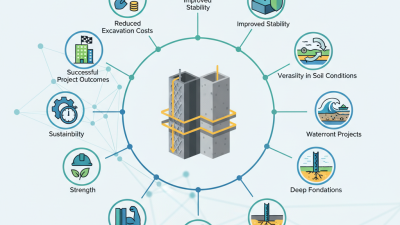
Benefits of Combi Sheet Piles in Various Projects