How to Choose the Right Rectangular Steel Pipe for Your Project?
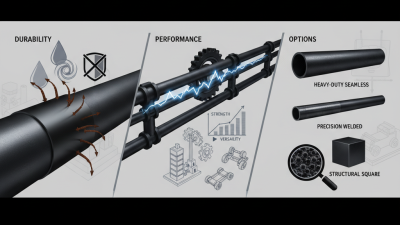
When selecting the right Rectangular Steel Pipe for your project, understanding the market and your specific needs is essential. The global steel pipe market was valued at approximately $93 billion in 2022, with a significant share held by rectangular pipes. This segment is growing due to their versatility in construction and manufacturing. Rectangular Steel Pipes are well-regarded for their strength and structural integrity, making them a preferred choice in diverse industries.
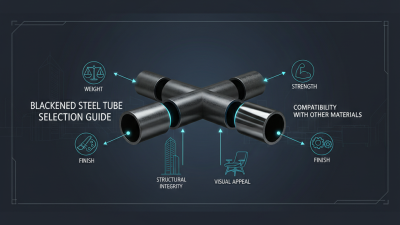
However, the selection process can be complex. Factors such as material grade, wall thickness, and dimensions require careful consideration. A 2023 report highlighted that improper sizing or material selection can lead to project delays and increased costs. It's crucial to review specifications and consult industry experts. The reliability and performance of your chosen pipe directly impact the overall success of your project.
While there are numerous options available, not all fit every scenario. Reflecting on your project's requirements and potential challenges is vital. Assessing your supplier's credentials and past performance can provide insights into their reliability. The right Rectangular Steel Pipe will enhance both the durability and functionality of your project while ensuring compliance with industry standards. Choosing wisely is an investment in quality and longevity.
Understanding the Specifications of Rectangular Steel Pipes
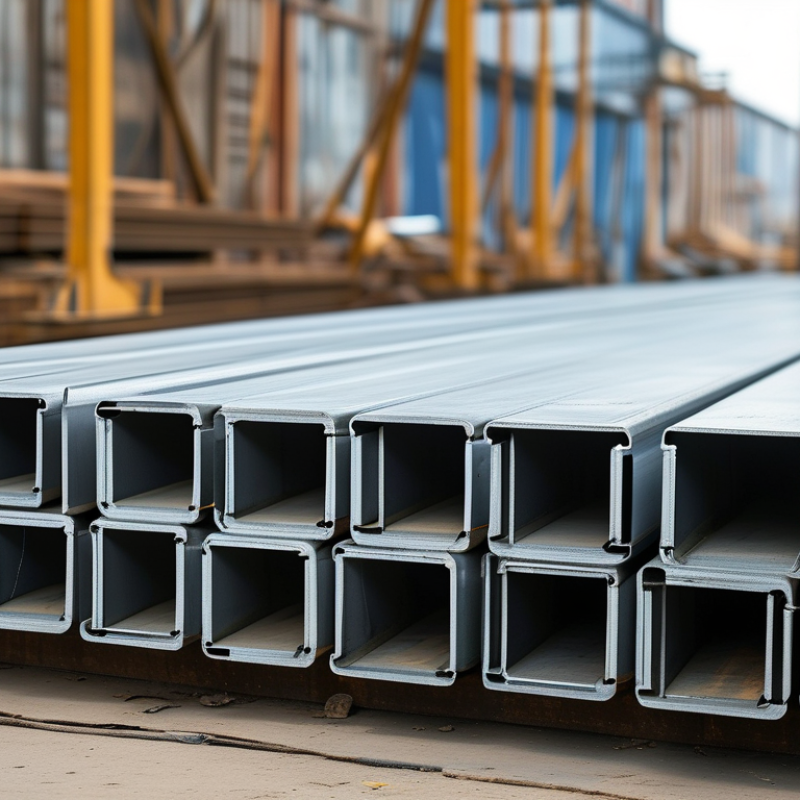
When selecting a rectangular steel pipe, understanding its specifications is crucial. The dimensions you need can vary based on the project type. Key specifications include wall thickness, length, and width. These factors will determine the strength and durability of the pipe in various applications. Rectangular steel pipes are often measured in inch sizes, and knowing how to read these measurements can save you time during procurement.
Tips: Always consider the load the pipe must support. For heavy loads, opt for thicker walls. If unsure, consult an expert to validate your choices.
Additionally, take note of the material composition. Some pipes are manufactured with specific alloys to enhance corrosion resistance. It's vital to ensure these properties align with your environmental conditions. Remember, an inadequate choice can lead to project delays or safety hazards. Even experienced engineers sometimes overlook this detail, so careful examination is key.
Tips: Keep a checklist of your project requirements. This will help you visualize the best options available. Engaging with industry professionals can also provide insights into the most reliable specifications for your needs.
Evaluating the Strength and Durability Requirements for Your Project
Evaluating the strength and durability requirements for your project involves careful consideration. The dimensions and thickness of a rectangular steel pipe play a crucial role. Pipes come in various sizes, and choosing the wrong one may lead to structural failure. For instance, a pipe too thin may bend under heavy loads, while an overly thick pipe could add unnecessary weight.
Assess your project's specific demands. Will the pipe face high pressure or corrosive environments? If so, selecting a higher-grade material is essential. Stainless steel may provide better resistance to rust, but it can be costly. Mistakes in material choice can result in repairs that disrupt timelines and budgets.
Recognizing that no solution is perfect is vital. It is wise to consult with professionals to ensure your choice aligns with project needs. Balancing strength and weight, while considering costs, can be challenging. Testing prototypes or engaging in simulations may help, yet finding the ideal pipe remains a complex task.
Determining the Appropriate Dimensions and Sizes for Your Needs
Selecting the right rectangular steel pipe starts with understanding your project's specific requirements. Dimensions, such as length, width, and thickness, play a crucial role in the pipe's strength and suitability. According to industry data from the American Institute of Steel Construction, the most commonly used dimensions range significantly, often from 2x3 to 12x20 inches. This wide range allows for various applications, from structural support to decorative features.
When determining sizes, consider the load requirements and the environment in which the pipe will be used. For instance, a project exposed to high moisture may require thicker walls for added durability. Additionally, think about how the pipes will be connected. It's essential to ensure compatibility with existing systems or materials.
Tip: Always consult load-bearing calculations. This practice helps avoid under or overestimating your needs. Moreover, consider the manufacturing tolerances. Even small discrepancies can impact the overall project.
Tip: Test small-scale prototypes when possible. This can reveal unforeseen challenges early on, saving both time and money.
Choosing the right size is complex. Each project has unique nuances that might require adjustment in pipe selection. Take time to assess every aspect carefully.
How to Choose the Right Rectangular Steel Pipe for Your Project?
This chart illustrates the dimensions and sizes of rectangular steel pipes suitable for various construction applications. The data presented shows the common width and height dimensions along with their corresponding weight per meter.
Comparing Different Steel Grades and Their Applications
Selecting the right steel grade for your rectangular steel pipe is crucial for your project. Different steel grades offer various mechanical properties, which influence their applications. For instance, mild steel, often used in construction, is ductile and easy to weld. It's ideal for structural components where strength is necessary but not critical. However, it might not withstand high temperatures or corrosive environments.
On the other hand, high-strength low-alloy (HSLA) steel provides improved strength without much weight. This steel is often used in bridge construction and vehicle frames. Its resistance to wear makes it suitable for demanding conditions. Yet, this might lead to challenges in welding, requiring skilled labor and specific techniques.
Stainless steel is another option worth considering. Known for its corrosion resistance, it’s perfect for applications in humid or chemical-rich settings. However, its cost can be prohibitive for some projects. Each grade has its pros and cons, and understanding these nuances is essential. Avoiding mistakes in selection can save both time and money. Reflect on the project's requirements carefully before making a decision.
Identifying Cost Considerations and Budgeting for Your Project
When budgeting for a project involving rectangular steel pipes, understanding costs is crucial. Prices depend on various factors, including material quality, pipe dimensions, and market demand. Conduct thorough research to learn about current steel prices. It’s wise to compare quotes from multiple suppliers. This ensures you get the best deal for your requirements.
Consider hidden costs such as shipping and handling. These can significantly affect your overall budget. If your project has specific deadlines, expedite fees may apply. Anticipate fluctuations in costs due to market volatility. It’s essential to leave some allowance in your budget for unexpected expenses. Good planning can save time and money in the long run. After all, overestimating budgets is often more manageable than underestimating them.
Don’t hesitate to seek advice from industry professionals. They can provide insights based on experience. Their guidance can help avoid costly mistakes, especially if you are new to using steel pipes. Be cautious about quality versus cost. Cheaper options may lead to higher maintenance and replacement costs later. Balancing cost with quality is not easy, but it's necessary for long-term success.