Why Choose Combi Sheet Piles for Effective Ground Retention Solutions?
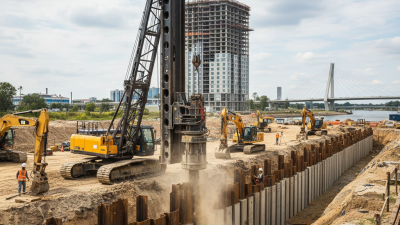
In recent years, construction and engineering have faced unique challenges. Effective ground retention is crucial for safety and stability. Among various solutions, Combi Sheet Piles stand out for their innovative design and versatility. These piles combine the strength of different materials, offering improved performance in various conditions.
Combi Sheet Piles provide a blend of flexibility and durability. They are often used in projects like waterfronts and deep excavations. Their unique structure allows for better resistance against soil movement. This makes them an attractive option for engineers seeking reliable ground support. However, not all projects may benefit fully from their use. Sometimes, traditional methods might suffice, depending on specific site conditions.
Despite their advantages, Combi Sheet Piles are not flawless. Installation can be complex, requiring skilled labor and extensive planning. Engineers must weigh project needs against these challenges. In the quest for effective ground retention solutions, Combi Sheet Piles are a compelling choice. Yet, a careful evaluation is essential to ensure the best outcome for each project.
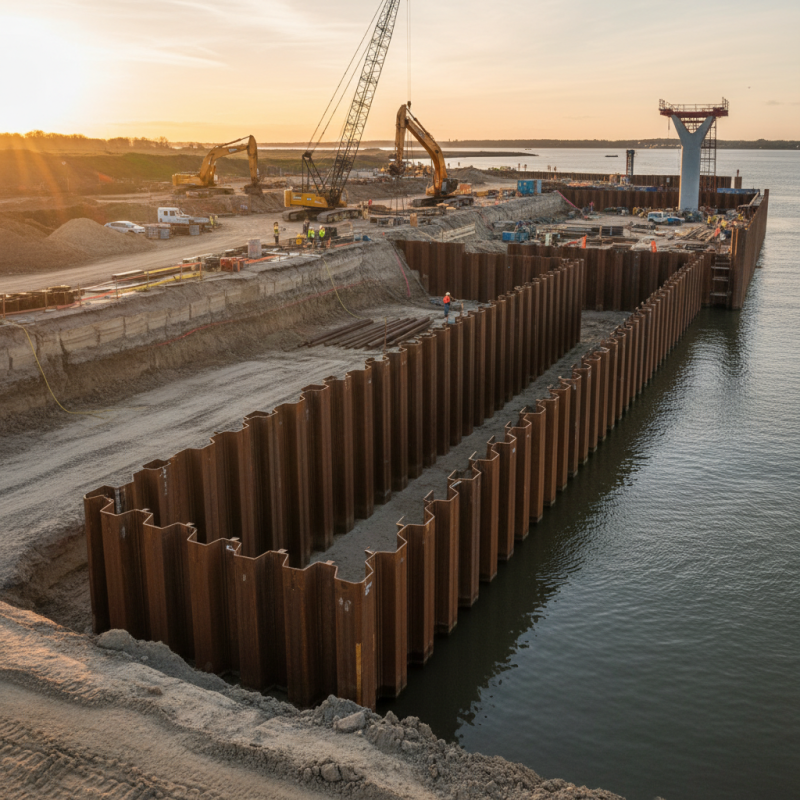
Understanding Combi Sheet Piles and Their Construction Benefits
Combi sheet piles have gained popularity in ground retention applications due to their unique advantages. These structures combine different materials, enhancing overall performance while reducing costs. A recent industry report noted that using combi sheet piles can increase stability by up to 30% compared to traditional techniques. This improvement is crucial for construction safety and long-term durability.
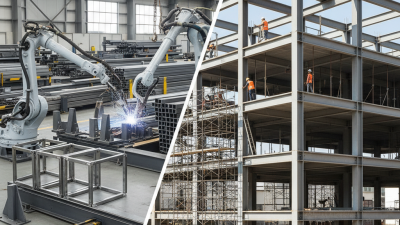
The construction benefits of combi sheet piles are clear. Their ability to be installed quickly minimizes downtime and project delays. Less installation time directly correlates with lower labor costs. Moreover, combi piles can adapt to various soil conditions, making them versatile for different projects. According to studies, flexible designs can lead to a 15% improvement in material efficiency during installation.
Tips: Consider soil properties before selecting piles. This ensures the best fit for your project. Regular inspections of installed structures can prevent unexpected failures. Always update safety protocols to match current industry standards. Keep learning about new technologies in ground retention; it pays off.
Mechanics of Ground Retention: How Combi Sheet Piles Work
Combi sheet piles are an innovative solution for ground retention. Their design combines the strengths of different materials. This makes them suitable for varying ground conditions. They offer enhanced stability and support in challenging environments. The mechanics behind these piles is both fascinating and practical.
When installed, combi sheet piles provide resistance against lateral earth pressures. They create a combined effect of friction and passive resistance. The vertical and horizontal elements work together seamlessly. This integration allows for effective load distribution. Consequently, they minimize the risk of ground movement. In areas with soft or unstable soil, their effectiveness becomes even more pronounced.
Some may overlook the importance of proper installation techniques. Poor alignment or inadequate depth can undermine their benefits. It's crucial to understand the ground conditions before choosing a solution. Not all projects need a complex system; sometimes simpler is better. Crafting the right strategy involves assessing both risks and advantages. This process is where true innovation lies.
Comparative Analysis: Combi Sheet Piles vs. Traditional Solutions
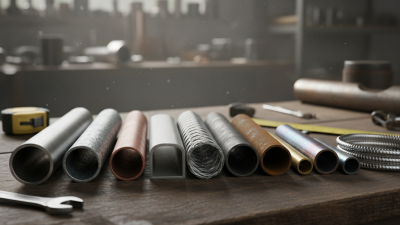
Combi sheet piles offer a unique blend of features compared to traditional solutions, making them a viable choice for ground retention. They consist of two different materials, usually steel and reinforced concrete, which enhances their performance. According to industry data, combi piles can achieve a load-carrying capacity that is up to 30% higher than conventional alternatives. This leads to reduced project timelines and improved cost efficiency.
Traditional solutions, such as concrete or wooden piles, often fall short in challenging soil conditions. Combi sheet piles, however, adapt well to various environmental factors like soil types and water levels. Recent reports indicate that these modern solutions demonstrate lower deflection rates, enhancing overall stability. Yet, implementing combi sheet piles requires careful planning and design expertise. Many projects struggle with integration issues, leading to increased costs.
While combi sheet piles provide undeniable benefits, they are not without limitations. For example, not all projects require the advanced capabilities they offer. In certain scenarios, traditional methods remain adequate. Additionally, the upfront costs might deter some developers. Therefore, a thoughtful assessment of project needs is essential. Each approach has its strengths and weaknesses, and the right choice heavily depends on specific site conditions.
Applications of Combi Sheet Piles in Civil Engineering Projects
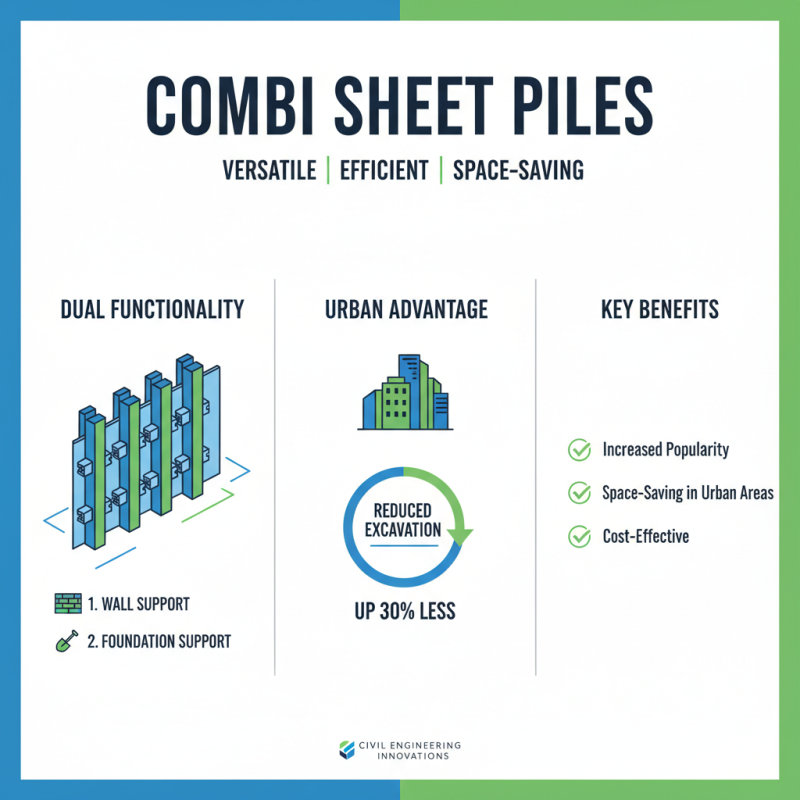
Combi sheet piles have become increasingly popular in civil engineering projects due to their versatility and effectiveness. They serve multiple functions simultaneously, offering both wall and foundation support. This dual functionality can be particularly advantageous in crowded urban areas, where space is limited. Studies indicate that using combi piles can reduce excavation needs by up to 30%, which is significant in dense construction zones.
One notable application is in waterfront projects, where soil retention is crucial. The unique design of combi sheet piles allows them to adapt to varying soil conditions, providing stability against water pressure. Anecdotal evidence from multiple projects suggests they can enhance the lifespan of retaining walls. Additionally, environmental data indicates that these piles help minimize ground settlement. Their use can lead to fewer repairs later, which saves both time and resources.
However, not all projects benefit equally. The specific site conditions play a critical role in the effectiveness of combi sheet piles. Engineers must critically evaluate soil types and groundwater levels before implementation. Failure to address these factors can lead to suboptimal performance. In some instances, overly optimistic projections about load-bearing capabilities have led to challenges. Careful planning and real-world assessments are essential to ensuring the success of combi sheet piles in any engineering project.
Cost-Effectiveness and Long-Term Value of Combi Sheet Pile Systems
Combi sheet piles are increasingly popular in ground retention projects. They offer a balance between strength and flexibility. This combination can lead to significant cost savings over time. With proper design, these systems can minimize excavation and foundation work. They adapt well to different soil conditions.
Investing in combi sheet piles also brings long-term value. Their durability can reduce maintenance costs, which is critical for any construction project. Many contractors report less frequent repairs compared to traditional methods. However, initial costs can still be high, and thorough planning is necessary. Some may find it challenging to estimate long-term benefits accurately.
Project-specific conditions also play a role in effectiveness. Each site presents unique challenges that must be managed carefully. Users must evaluate soil types, moisture levels, and environmental impacts. This can be complicated and sometimes leads to unexpected issues. The decision-making process should include both immediate costs and future performance.