Best Spiral Pipe Suppliers for Your Global Sourcing Needs?
When seeking the best spiral pipe suppliers, it's crucial to consider various factors that ensure quality and reliability. Spiral pipes, known for their strength and versatility, play a significant role in several industries, including construction and plumbing. Sourcing these essential materials globally requires a careful evaluation of suppliers, their reputation, and their adherence to industry standards.
Choosing the right supplier impacts project success. Reliable spiral pipe suppliers not only provide quality products but also have solid customer support. Your sourcing strategy should focus on suppliers with a proven track record in delivering innovative solutions. However, it's important to remember that not every supplier will meet your expectations. Researching suppliers' backgrounds and client testimonials can reveal potential gaps in their services.
In the vast market, some suppliers may offer competitive prices but compromise on quality. This highlights the need for critical assessment. Engaging with various suppliers allows you to compare offerings. Ultimately, the right spiral pipe supplier can enhance your project outcomes significantly.
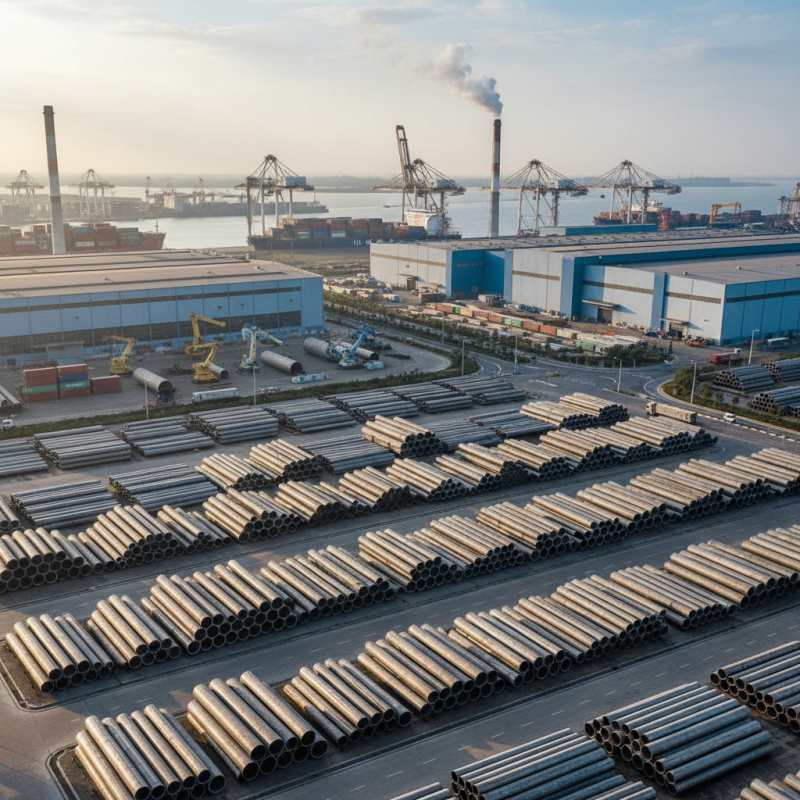
Overview of Spiral Pipe Applications in Global Industries
Spiral pipes play a crucial role in various industries, including oil and gas, construction, and wastewater management. Their unique structure allows for efficient flow and durability. Data from the Global Spiral Pipe Market Report indicates that the market is expected to grow at a CAGR of 5.3% between 2023 and 2030. This growth reflects the increasing demand for energy infrastructure and plumbing solutions worldwide.
In oil and gas sectors, spiral pipes are used for transmission and construction purposes. Their ability to withstand high pressures makes them essential for transporting materials over long distances. Reports suggest that over 60% of the spiral pipes produced annually are utilized in such applications. However, challenges persist, such as fluctuating steel prices and the need for standardized manufacturing processes.
The construction industry also benefits from spiral pipes. They are used in systems like drainage and ventilation. Yet, there are varying quality standards globally, leading to inconsistencies. A recent study highlighted that improper installation can reduce the efficiency of these pipes by nearly 30%. Adopting best practices and continuous improvement can address these issues while enhancing reliability and performance in applications.
Top Characteristics of Reliable Spiral Pipe Suppliers
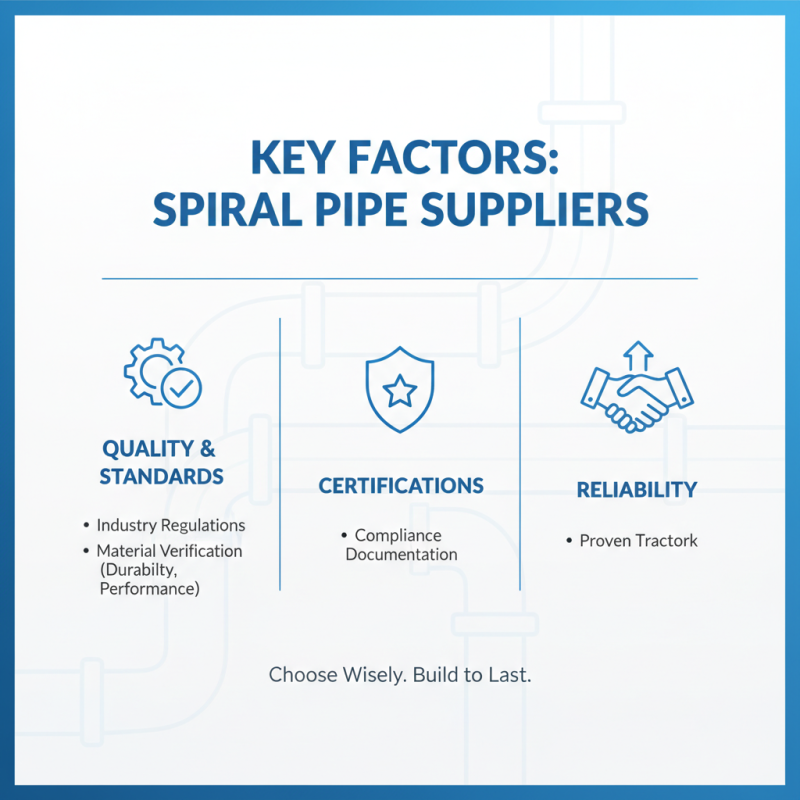
When sourcing spiral pipes globally, several characteristics of reliable suppliers stand out. One key trait is robust quality assurance. According to a recent industry report, 78% of pipe failures are linked to poor manufacturing practices. Trusted suppliers invest in rigorous testing protocols to ensure their products meet high performance standards.
Another important aspect is the supplier's range of certifications. Compliance with international standards, such as ISO 9001, enhances credibility. A well-certified supplier demonstrates their commitment to quality control and customer satisfaction. Additionally, transparent communication fosters strong partnerships. Suppliers who readily share information about their production processes and supply chain can increase buyer confidence.
**Tips**: Always ask for samples before placing large orders. Frequent checks on production capabilities and past project cases can reveal much about a supplier's reliability. Building a strong relationship with your chosen supplier can lead to better negotiation terms and improved service.
Best Spiral Pipe Suppliers for Your Global Sourcing Needs
| Characteristic |
Description |
Importance Level |
| Quality Assurance |
Suppliers should have certifications and standards to ensure quality control. |
High |
| Delivery Capabilities |
Timely delivery and reliable logistics are crucial for continuous operations. |
High |
| Product Range |
Diverse product offerings facilitate one-stop sourcing for different needs. |
Medium |
| Customer Support |
Responsive service helps address any issues or inquiries efficiently. |
High |
| Pricing Competitiveness |
Fair pricing that reflects quality is essential for cost management. |
Medium |
| Technology & Innovation |
Investment in modern manufacturing technologies enhances product effectiveness. |
Medium |
| Reputation & Experience |
A proven track record instills trust among potential clients. |
High |
Leading Spiral Pipe Suppliers Around the World
In the global market, the demand for spiral pipes is rising. These pipes are known for their durability and efficiency. They are widely used in various industries, including construction and oil and gas. According to a recent industry report, the global spiral pipe market is expected to grow at a CAGR of 5.4% from 2023 to 2030, reflecting an increasing reliance on high-quality piping solutions.
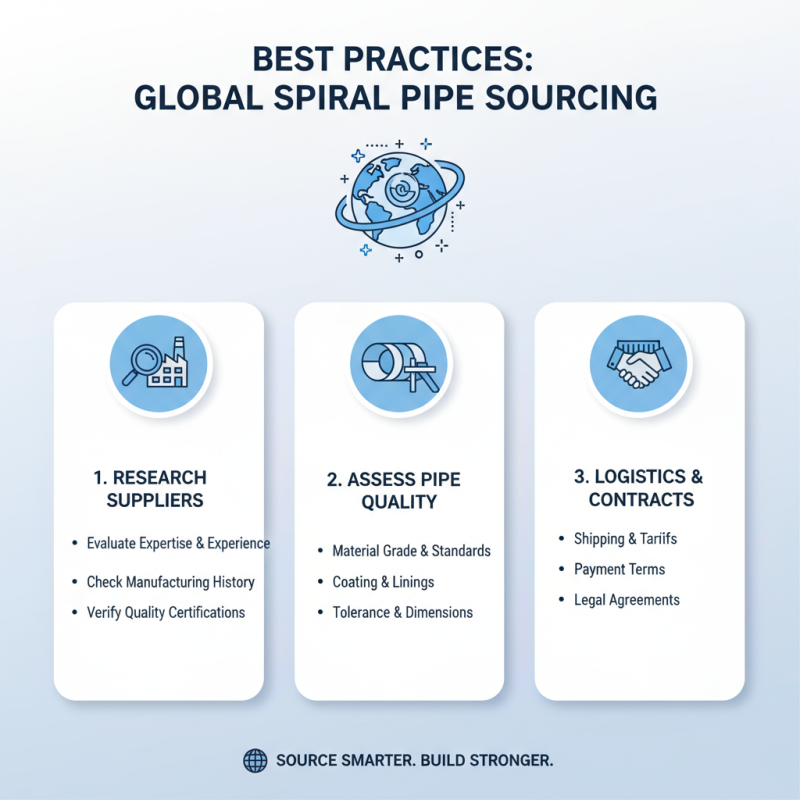
When selecting suppliers, consider their production capacities and certifications. Some suppliers excel in heavy-duty pipes, while others offer lightweight solutions for more specific needs. Quality control is crucial, and it's advisable to verify each supplier's compliance with international standards. Inspections and certifications can guide your choice. Building relationships with reliable suppliers enhances supply chain efficiency.
Tip: Always request samples before finalizing orders. Conduct a detailed assessment of the material quality. Examine the supplier's production process, which can impact your project's success. Proper evaluation helps in avoiding potential delays or quality issues. In some cases, suppliers may promise faster delivery times but fail to meet them. Reliability can sometimes be challenging to gauge until issues arise.
Spiral Pipe Production Capacities by Region
This chart illustrates the annual production capacities of spiral pipe suppliers by region, highlighting the dominance of Asia in the global market. Companies looking to source spiral pipes can use this information to identify key regions based on production capabilities.