China Best Metal Tube Pipe Quality and Applications Guide?
In today's manufacturing landscape, the demand for high-quality Metal Tube Pipe products is surging. Various industries leverage these tubes for their durability and versatility. Applications range from construction to automotive, highlighting their essential role.
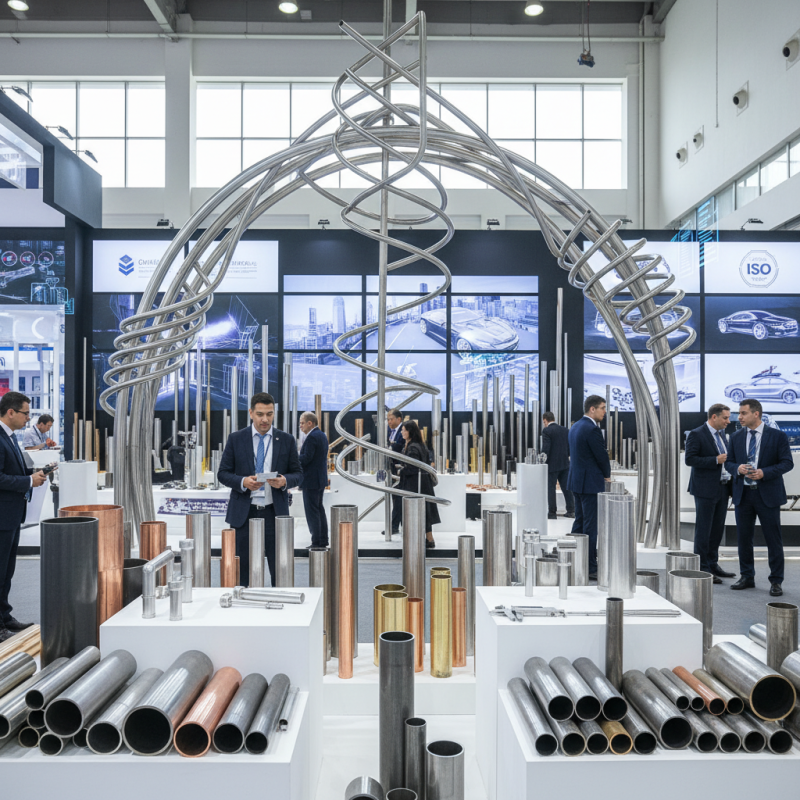
As the market grows, it's crucial to identify reliable suppliers offering superior products. The upcoming 2026 Canton Fair showcases advancements in metal tube and pipe manufacturing. Here, buyers can explore innovative materials, ensuring they meet stringent quality standards.
However, not all suppliers maintain high standards. Some may misrepresent their capabilities. Businesses must execute thorough evaluations. Understanding certifications like ISO and CE is vital to ensure the integrity of Metal Tube Pipe products. Investing time in research can pay off in long-term quality and performance.
Types of Metal Tubes and Pipes Commonly Used in China
Metal tubes and pipes play a crucial role in various industries in China. They are used in construction, automotive, and energy sectors. According to a report by the China Metallurgical Industry Planning and Research Institute, the demand for metal pipes is projected to grow by 5% annually. This increase is driven by a surge in infrastructure projects across the country.
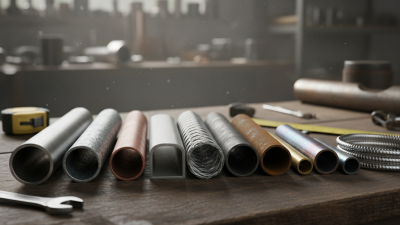
Common types of metal tubes include carbon steel, stainless steel, and aluminum. Carbon steel pipes are popular for their strength and affordability. They are often utilized in plumbing and structural applications. On the other hand, stainless steel tubes are favored for their resistance to corrosion and durability in harsh environments. Aluminum pipes are lightweight and are often used in aviation and automotive manufacturing. The choice of material significantly impacts performance and cost.
Despite the strong demand, challenges exist in the metal tube industry. Quality control issues can arise due to varying manufacturing standards. Inconsistent dimensional accuracy can lead to problems during installation. This highlights the need for better regulatory oversight. Companies must prioritize quality to meet the evolving market demands and enhance competitiveness.
China Best Metal Tube Pipe Quality and Applications Guide
| Type of Metal Tube/Pipe |
Material |
Common Applications |
Diameter Range (mm) |
Wall Thickness (mm) |
| Steel Pipe |
Carbon Steel |
Construction, Manufacturing |
10 - 600 |
1.5 - 30 |
| Stainless Steel Tube |
304/316 Stainless Steel |
Food Processing, Chemical Industry |
20 - 300 |
0.5 - 10 |
| Aluminum Pipe |
Aluminum Alloy |
Aerospace, Automotive |
15 - 400 |
1 - 12 |
| Copper Tube |
Copper |
Electrical, HVAC Systems |
6 - 50 |
0.5 - 5 |
| PVC Pipe |
Polyvinyl Chloride |
Plumbing, Drainage |
20 - 200 |
1 - 10 |
Key Quality Standards for Metal Tubes and Pipes in China
In China, metal tubes and pipes meet various quality standards. These standards ensure durability and reliability in applications. Common materials include stainless steel, carbon steel, and alloy steel. Each type has unique properties suited for different uses.
Manufacturers must adhere to quality specifications such as ASTM, ISO, or GB standards. These guidelines cover dimensions, mechanical properties, and testing procedures. For instance, a tube made from high-quality materials will exhibit better resistance to corrosion. However, some manufacturers may overlook these standards, leading to inferior products. This is concerning and requires strict monitoring.
Applications for metal tubes and pipes vary widely. Industries like construction, automotive, and petrochemical heavily rely on these materials. The quality of the product is paramount, especially in high-stress environments. Yet, not all suppliers prioritize quality. It’s essential to remain vigilant and perform due diligence when sourcing. Reflecting on the importance of quality will help ensure safety and longevity in applications.
Quality Standards for Metal Tubes and Pipes in China
Applications of Metal Tubes and Pipes Across Various Industries
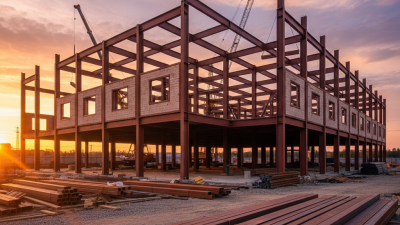
Metal tubes and pipes find extensive applications in various industries, demonstrating their versatility and strength. In the construction sector, they are crucial for structural support. According to a recent industrial report, about 40% of all metal tube usage goes into building projects. These tubes often support everything, from simple frameworks to complex structures. However, issues related to rust and corrosion can compromise their effectiveness over time.
In the automotive industry, metal pipes serve vital roles in exhaust systems and fuel distribution. Research shows that using high-quality metal tubes can improve vehicle efficiency by up to 15%. The demands are high, yet many companies grapple with quality control. They sometimes overlook the need for regular inspections, which can lead to failures. Ensuring consistent quality is key, as poor choices may result in serious safety hazards.
In the energy sector, metal pipes are vital for transporting oil and gas. An analysis reveals that nearly 70% of pipeline failures were linked to material defects. This raises the question of how well these materials are being monitored. Continuous improvement in quality assurance methods is essential. Industries must invest in better training and adopt stricter standards to enhance overall safety and reliability.
Factors Affecting the Quality of Metal Tubes and Pipes
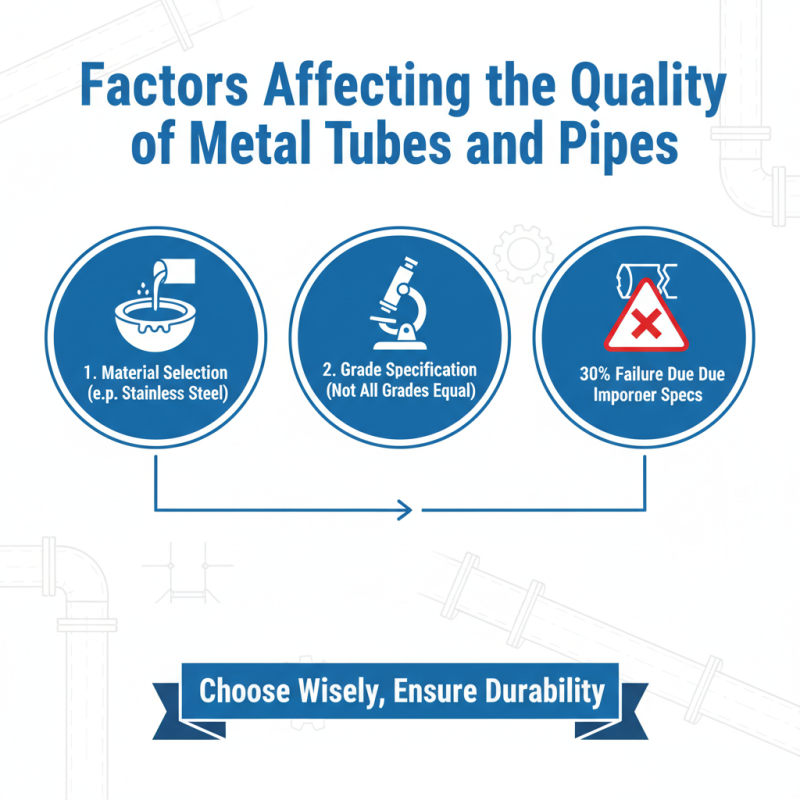
The quality of metal tubes and pipes is influenced by several key factors. Material selection is critical. For example, stainless steel is often chosen for its corrosion resistance. However, not all stainless steel grades perform the same under stress. According to recent market reports, nearly 30% of stainless steel pipes fail due to improper material specifications.
Manufacturing processes also play a significant role. The method of fabrication, whether welded or seamless, affects the durability of the product. A report from the International Pipe Association highlights that welded pipes may have a lower fatigue life due to weak joints. This could lead to unexpected failures, particularly in high-pressure systems.
Another crucial factor is quality control. Regular inspections can catch defects early. However, many manufacturers still overlook this step. A study estimates that 15% of metal tubing does not meet industry standards, potentially compromising structural integrity. Overall, ensuring high-quality tubes and pipes requires attention to detail throughout the production process.
Best Practices for Selecting and Maintaining Metal Tubes and Pipes
When selecting metal tubes and pipes, understanding applications is essential. Different materials serve specific purposes. For instance, stainless steel excels in corrosion resistance. However, it can be more expensive. Think about cost-effectiveness when choosing.
Maintenance is another critical aspect. Regular inspections help identify wear and tear. Look for signs like rust or unusual wear. Cleaning these tubes can prevent buildup that leads to failures. Using the right cleaning solutions is vital. Harsh chemicals can damage surfaces.
Consider the environment where the pipes will be installed. Factors like temperature fluctuations and exposure to chemicals can affect longevity. It's not always easy to know the ideal choice. Sometimes, trial and error may occur. Reflecting on past decisions can lead to better outcomes in future selections.