Top 10 Benefits of Using Rectangular Steel Pipe for Your Projects?
When it comes to construction and manufacturing, the choice of materials is crucial. Rectangular Steel Pipe stands out as a versatile option, favored for its strength and shape. According to a report by the Steel Construction Institute, structural steel can have a strength-to-weight ratio significantly higher than other materials. This means that projects using Rectangular Steel Pipe benefit from reduced overall weight while maintaining strength.
In practical applications, Rectangular Steel Pipe enhances design flexibility. Its shape allows for efficient use of space in structures. Research from the American Institute of Steel Construction shows that steel's recyclability contributes to sustainability in construction projects. This is a crucial factor as industry standards increasingly emphasize eco-friendly practices.
Lastly, while Rectangular Steel Pipe offers numerous advantages, it also presents challenges. For instance, improper welding techniques can undermine the integrity of the pipe. Adhering to best practices is essential for maximizing its benefits in any engineering project. Hence, ensuring proper qualifications in handling these materials is vital for success.
Advantages of Rectangular Steel Pipe in Structural Applications
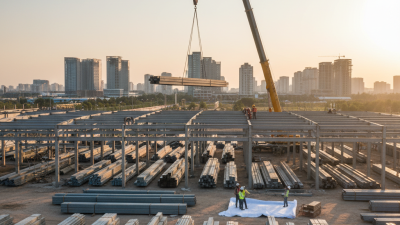
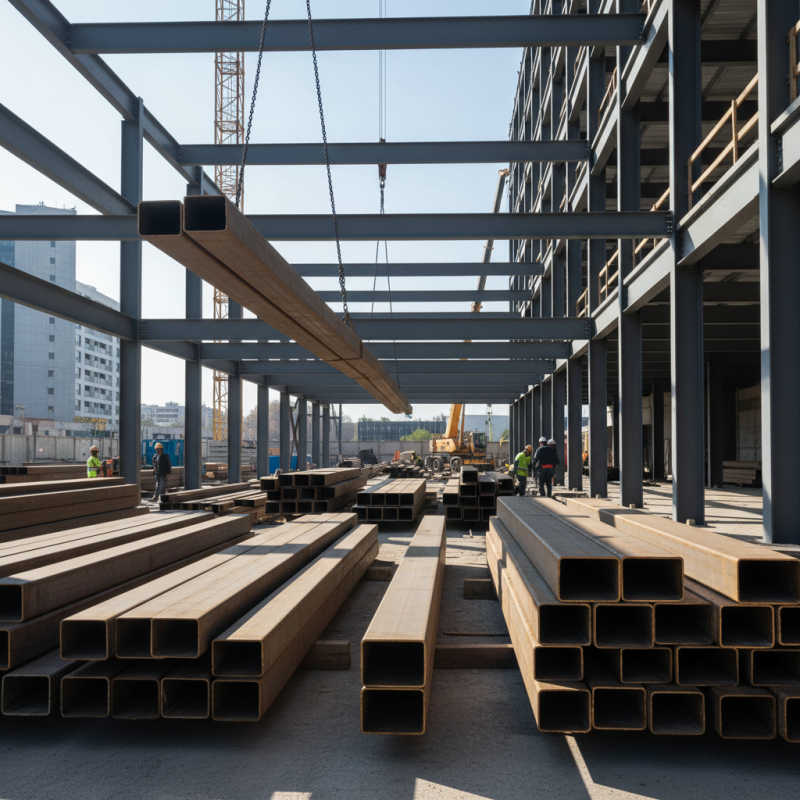
Rectangular steel pipes are increasingly favored in structural applications due to their unique advantages. Their geometric shape allows for efficient use of material while providing substantial strength. According to a report by the American Institute of Steel Construction, rectangular steel pipes can handle loads better than many other shapes, making them ideal for beams and frames. This ability to efficiently bear weight without excessive bulk helps optimize costs in construction projects.
The adaptability of rectangular steel pipes is another significant advantage. They can be easily cut, welded, and fabricated into various structural designs. This flexibility supports creative architectural solutions while maintaining structural integrity. A study published in the Journal of Construction and Steel Research indicates that using rectangular steel sections can reduce the overall weight of a structure by up to 25%. However, not all sizes and thicknesses are created equal, so careful selection must occur to maximize efficiency.
Despite these benefits, challenges arise in surface treatment and corrosion resistance. Steel pipes require careful maintenance to prevent deterioration over time. A lack of proper coating can lead to structural weaknesses. This emphasizes the importance of using quality materials and applying protective finishes, especially in harsh environments. Understanding these nuances is crucial for professionals leveraging rectangular steel pipes in their projects for optimal performance and longevity.
Top 10 Benefits of Using Rectangular Steel Pipe for Your Projects
| Benefit |
Description |
| Structural Strength |
Rectangular steel pipes provide high strength and stability, making them ideal for structural applications. |
| Versatility |
These pipes can be used in various constructions, including bridges, buildings, and scaffolding. |
| Cost-Effectiveness |
They offer a great balance between affordability and durability, reducing overall project costs. |
| Ease of Fabrication |
Rectangular steel pipes can be easily welded and fabricated, allowing for quick assembly on-site. |
| Aesthetic Appeal |
Their sleek design provides a visually appealing finish for exposed structures. |
| Environmental Resistance |
Rectangular steel pipes are resistant to impact, corrosion, and weather, ensuring longevity. |
| Load Distribution |
Their shape allows for better load distribution compared to round pipes. |
| Customization Options |
Available in various sizes and thicknesses, they can be tailored to specific project needs. |
| Recyclability |
Being made of steel, these pipes are fully recyclable, promoting sustainability. |
| Safety |
The structural integrity of rectangular steel pipes ensures safety in construction environments. |
Enhanced Durability and Strength of Rectangular Steel Pipe
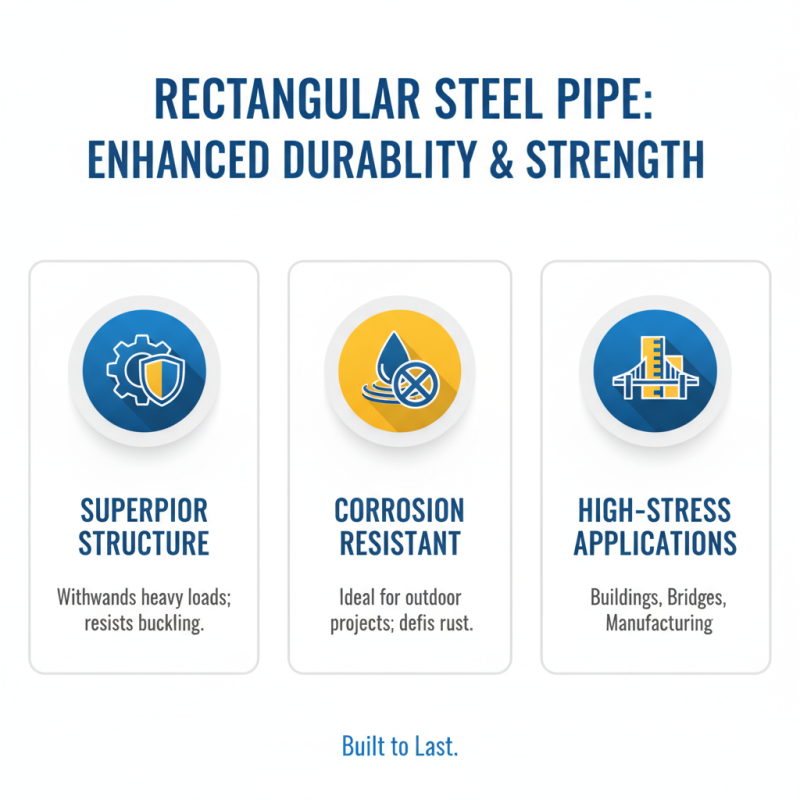
Rectangular steel pipes are a popular choice in construction and manufacturing due to their enhanced durability and strength. Unlike other materials, steel pipes resist rust and corrosion, making them ideal for outdoor projects. Their structural integrity allows them to withstand heavy loads without buckling. This is particularly important in high-stress applications such as buildings and bridges.
The manufacturing process of rectangular steel pipes contributes to their reliability. These pipes are often welded at the seams, providing added strength compared to standard round pipes. In certain scenarios, users might realize that not all manufacturers adhere to strict quality controls, leading to potential weaknesses. Investing in a reputable source can mitigate this risk.
Additionally, the versatility of rectangular steel pipes means they can be used in various projects, from framing to fencing. They are easily customizable in size and thickness to meet specific needs. However, users should regularly inspect these pipes, especially in critical applications. Small issues can escalate if ignored, thus regular maintenance is crucial for preserving durability over time.
Cost-Effectiveness of Rectangular Steel Pipe for Projects
Rectangular steel pipes offer significant cost-effectiveness for various projects. Their uniform shape allows for efficient use in construction and manufacturing processes. This design reduces waste and maximizes material use, which can lower overall expenses. Businesses that prioritize budget without sacrificing quality will find these pipes advantageous.
When planning any project, consider the dimensions of rectangular steel pipes. Specific sizes may suit particular project needs better than others. Make sure to analyze your requirements before purchasing.
Another crucial point is to evaluate suppliers. Prices can vary markedly. Opt for suppliers with a strong reputation and favorable reviews. Finding a reliable source can prevent potential pitfalls, such as delays or product defects.
Ultimately, the right choice of materials can lead to substantial savings. Rectangular steel pipes provide an ideal balance of durability and affordability for your construction and manufacturing needs.
Versatility in Design: Uses of Rectangular Steel Pipe
Rectangular steel pipes offer remarkable versatility in design, making them advantageous for various projects. Their shapes allow for efficient framing and support in different structures. Whether you're building a warehouse or a small shed, these pipes can adapt to your needs with ease. Their uniform shape ensures ease in calculation and application. Many architects appreciate the clean lines they create in modern design.
The uses of rectangular steel pipe extend beyond mere structural support. They are ideal for creating railings, furniture, and decorative elements. Designers often favor them due to their ability to blend strength with aesthetics. However, improper selection can lead to issues. For instance, using the wrong wall thickness may compromise stability. Projects that neglect this detail often face safety challenges.
In manufacturing, these pipes are essential for producing various equipment. They streamline assembly processes due to their predictable dimensions. Yet, reliance on these pipes is not without its flaws. Misunderstandings about load-bearing capacities can lead to costly mistakes. Not all designs account for potential stress factors, which can result in failures. A detailed assessment is crucial before implementation.
Top 10 Benefits of Using Rectangular Steel Pipe
Environmental Benefits of Using Rectangular Steel Pipe
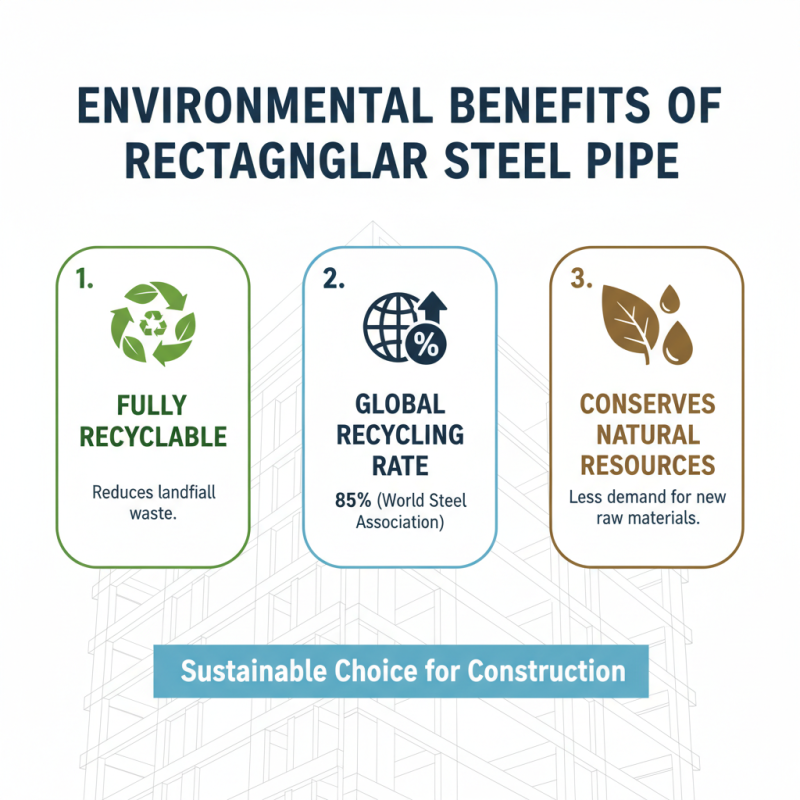
The environmental benefits of using rectangular steel pipe are noteworthy. This type of steel is fully recyclable, reducing waste in landfills. According to the World Steel Association, about 85% of steel is recycled globally. This high recycling rate minimizes the need for new raw materials, conserving natural resources.
Using rectangular steel pipe can also lower carbon emissions. Producing steel from recycled materials requires less energy, which directly reduces greenhouse gas emissions. A study from the Environmental Protection Agency (EPA) shows that recycling steel saves approximately 75% of the energy needed to produce new steel. This energy efficiency contributes to a smaller carbon footprint for projects utilizing rectangular steel pipes.
Additionally, rectangular steel pipes promote sustainable construction practices. They are durable and require less maintenance over time. This longevity contributes to fewer resources spent on repairs or replacements. A report from the Global Steel Innovations Forum highlights that durable materials contribute to an estimated 20% reduction in the overall lifecycle environmental impact of construction projects. While using steel does involve resource extraction, the long-term benefits often surpass initial concerns.