Top 10 Benefits of Using Combi Piles in Modern Construction?
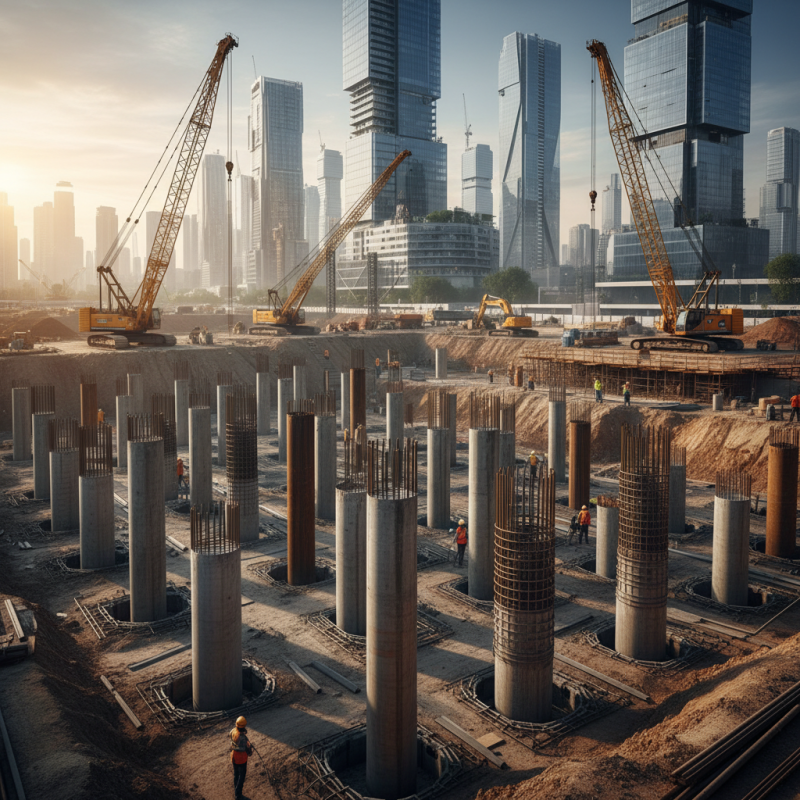
Combi Piles are gaining popularity in modern construction. They blend different pile types to enhance stability and strength. This innovative method addresses soil challenges effectively.
Using Combi Piles offers numerous benefits. The combination of piles provides greater load-bearing capacity. This can be crucial in urban areas where space is limited. Additionally, Combi Piles help to minimize settlement issues. They ensure buildings remain firm over time.
However, there are considerations to reflect on. The initial costs may be higher than traditional methods. Engineers must also assess soil conditions carefully. Each project is unique and requires specific solutions. Ultimately, the benefits of Combi Piles can outweigh the challenges when implemented thoughtfully.
Benefits of Enhanced Load-Bearing Capacity with Combi Piles
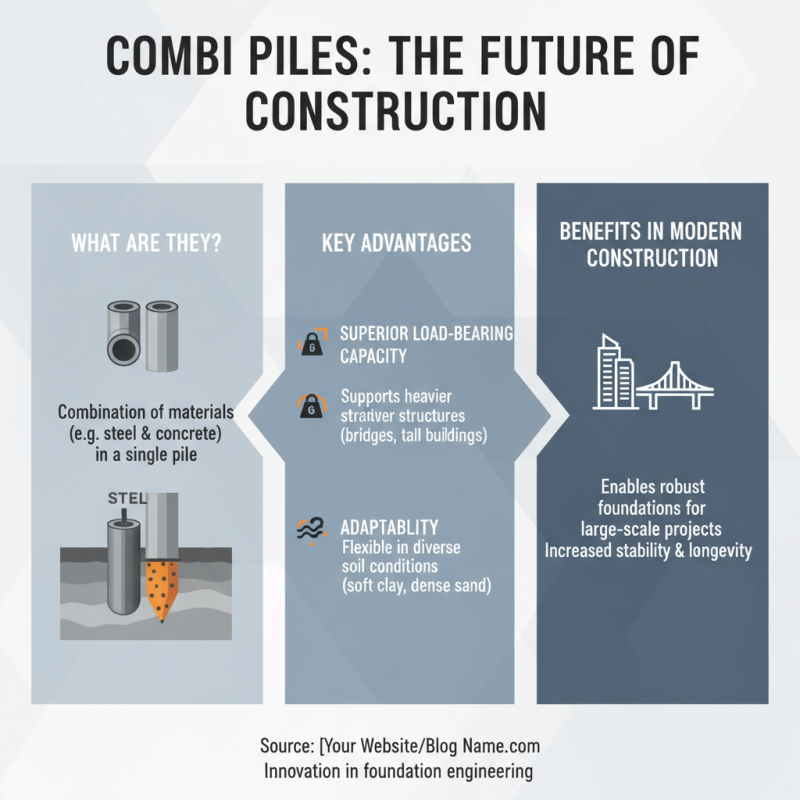
Combi piles offer significant benefits in modern construction, particularly in load-bearing capacities. These structures combine different materials, allowing for flexibility in various soil conditions. They support heavier loads than traditional piles. This can be crucial for large buildings or bridges.
In areas with weak soil, combi piles excel. They distribute weight evenly, reducing the risk of settling or structural damage. For example, a building in a seismic zone can benefit from this technology. The combined friction and end-bearing capabilities enhance stability and safety.
**Tips:** Always assess soil conditions before selecting pile types. Consider project specifics to optimize performance. Regular inspections can help identify potential issues early. Stay informed on industry standards. Although combi piles are effective, they require precise installation. Miscalculations can lead to severe repercussions.
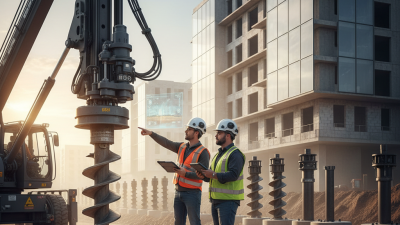
Employing combi piles does require careful planning. There can be challenges, such as coordination among construction teams. Failures during installation can create delays. Striking a balance between efficiency and thoroughness is vital. Ensure that all team members understand the process fully.
Improved Foundation Stability and Structural Integrity in Construction
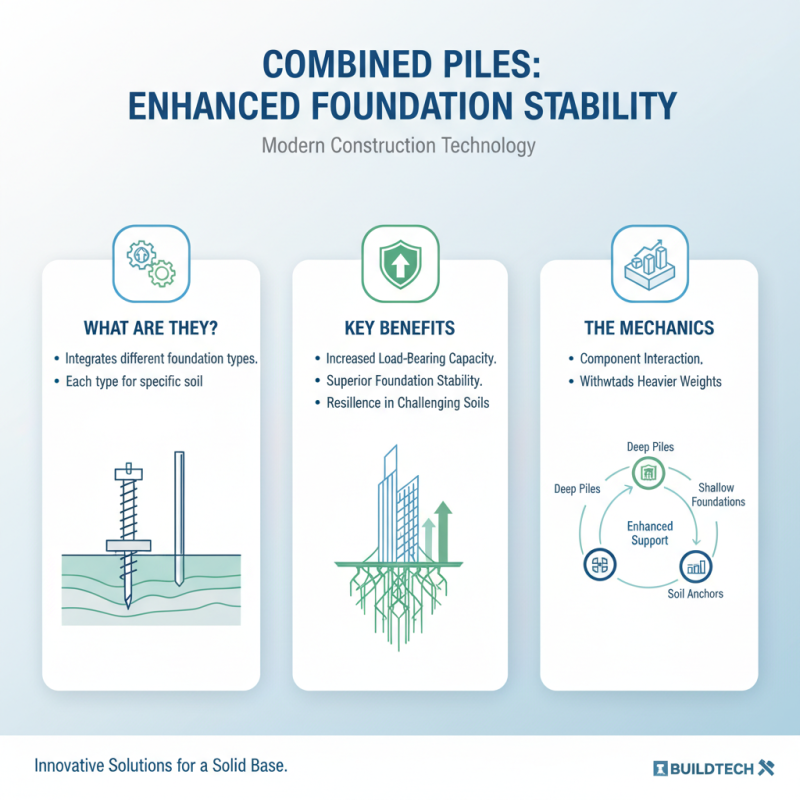
Combi piles are gaining traction in modern construction for their ability to enhance foundation stability. These piles combine different types of foundations, each tailored for specific soil conditions. The interaction of these components increases load-bearing capacity. This allows structures to endure heavier weights and establishes a solid base even in challenging environments.
The use of combi piles often means fewer compromises during construction. Engineers can choose materials based on specific site conditions, leading to improved structural integrity. However, there can be challenges. Construction delays may arise if the soil conditions are not as expected. Regular site assessments are essential to adapt the design promptly. In some cases, underestimated costs due to unforeseen issues can affect project timelines.
Moreover, while combi piles provide many benefits, they require meticulous planning and execution. Failure to consider local regulations or environmental impacts can lead to complications. Attention to detail is key. Balancing these factors while maximizing the advantages of combi piles can drive innovation in structural engineering. As the industry evolves, the emphasis on sustainable and efficient solutions continues to grow, making it crucial to embrace both best practices and reflective learning in the process.
Cost-Effectiveness and Time-Saving Advantages of Combi Piles
In modern construction, combi piles offer significant cost-effectiveness and time-saving benefits. These piles combine the strengths of different foundation methods. They can support heavy structures while minimizing the risks associated with soil variability. This combination often leads to reduced overall construction costs.
Implementing combi piles can also shorten project timelines. Traditional foundation methods may require extensive site preparation. Combi piles reduce excavation needs. This not only saves time but also cuts down on labor costs. A streamlined process can lead to faster project delivery.
Tips: Consider soil conditions before choosing your foundation. Assess the benefits of combi piles for specific site challenges. Collaborate closely with engineering teams to optimize design and reduce delays. Always analyze the expected load and conditions to refine your approach. This will enhance the effectiveness of your project.
Top 10 Benefits of Using Combi Piles in Modern Construction
Versatility of Combi Piles for Various Soil Conditions
Combi piles demonstrate remarkable versatility, making them suitable for various soil conditions. They are capable of performing well in both soft and hard soils. This adaptability reduces the challenges usually faced in construction projects. Construction teams can rely on combi piles to support structures in locations where traditional foundations struggle.
The unique design allows combi piles to transfer loads effectively. For instance, a combi pile can anchor into stronger layers of soil while also engaging with weaker layers above. This dual capability enhances stability and reduces the risk of settlement. However, engineers need to consider the specific soil conditions carefully. Ignoring this can lead to inadequate support and unforeseen issues.
In some instances, combi piles may not perform as expected. For example, if the soil conditions change dramatically, it can lead to complications. A lack of thorough geological surveys can result in misunderstandings about the necessary pile length. These factors emphasize the need for careful planning and reflection on the specific project needs. Overall, combi piles offer a unique solution but require attentive analysis for successful implementation.
Environmental Impact and Sustainability of Using Combi Piles
Combi piles offer notable advantages in modern construction, particularly in terms of environmental impact and sustainability. These foundations effectively blend the strengths of both bored piles and driven piles. This hybrid approach caters to varying soil conditions, allowing for improved load-bearing capacity and reduced vibrations during installation.
By minimizing disturbance, they protect the surrounding ecosystem, preserving habitats for local wildlife.
Moreover, combi piles can help reduce material waste. Traditional methods often require excessive excavation, increasing debris. In contrast, combi piles focus on efficient use of resources. This can lead to fewer materials being used overall, which lowers the carbon footprint of construction projects. However, it's important to remember that not all projects benefit equally from combi piles. Site-specific conditions should always be evaluated.
The lifecycle of combi piles contributes to sustainability as well. These piles can endure for decades, minimizing the need for future replacements. However, they still require careful planning to ensure they do not disrupt groundwater flows or soil integrity. As the industry shifts toward greener practices, the adoption of combi piles must be thoughtfully considered, reflecting a balance between innovation and environmental responsibility.