Top Benefits of Using Spiral Pipe in Modern Construction Applications?
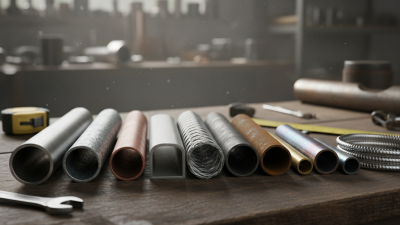
In modern construction, the choice of materials can greatly impact project efficiency. One innovative material gaining traction is Spiral Pipe. Unlike traditional pipes, Spiral Pipe is crafted from continuous strips of steel. This design enhances strength and durability, making it ideal for various applications.
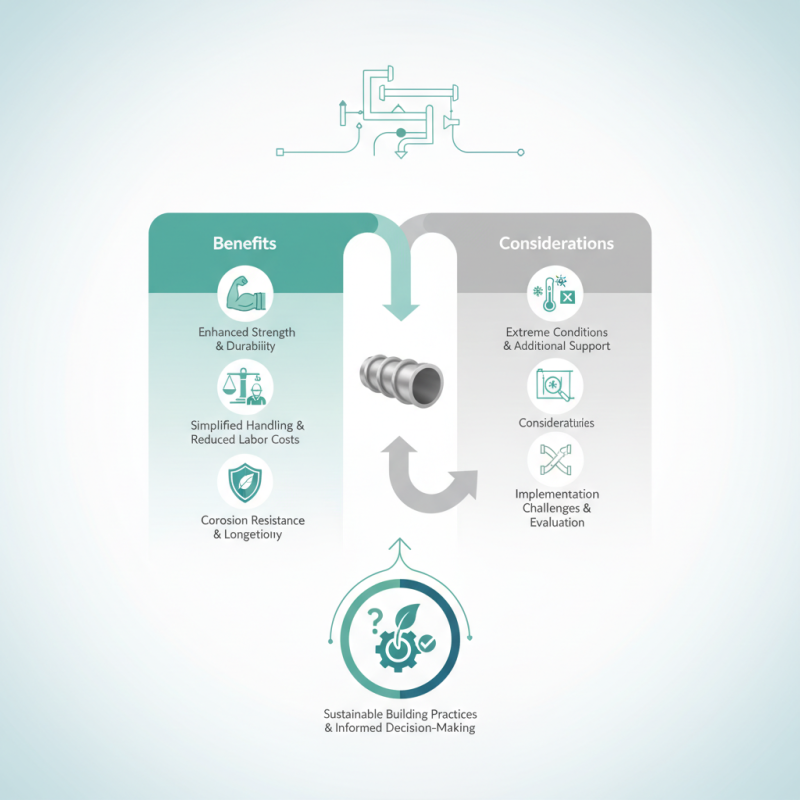
The benefits of Spiral Pipe extend beyond its unique manufacturing process. Its lightweight nature simplifies handling and reduces labor costs. Moreover, its resistance to corrosion ensures longevity, safeguarding investments. Yet, it is crucial to consider its performance in extreme conditions; some installations may warrant additional support.
As the construction landscape evolves, understanding the advantages of Spiral Pipe becomes essential. Investing in this material could lead to more sustainable building practices. However, projects must also evaluate potential challenges associated with its implementation. This balanced perspective allows for informed decision-making, ultimately enhancing construction outcomes.
Advantages of Spiral Pipe in Structural Applications
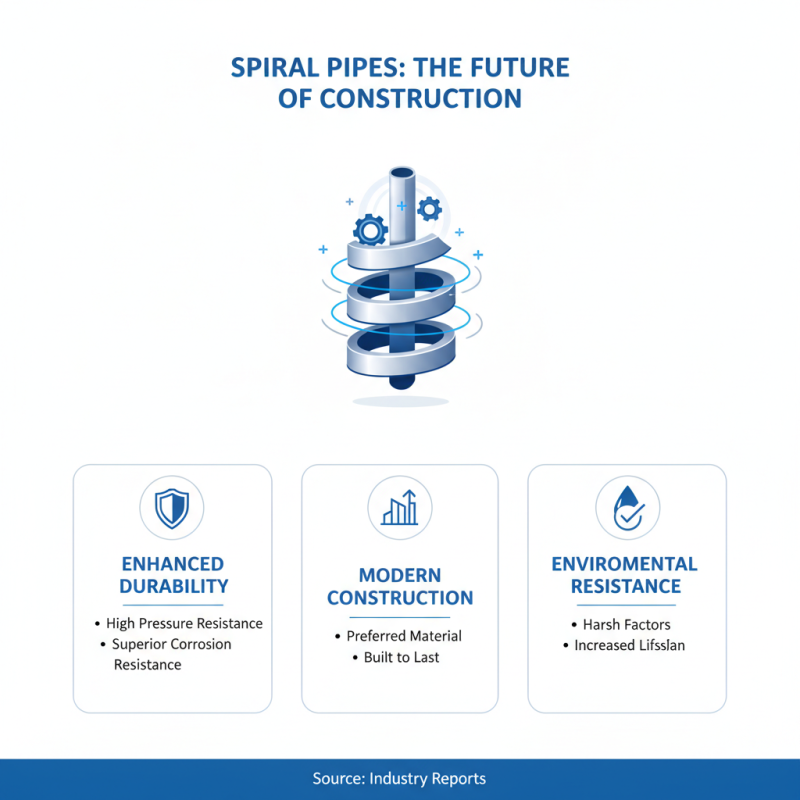
Spiral pipe has emerged as a crucial element in modern structural applications. Its unique design allows for increased strength while using less material. Reports indicate that spiral pipes can save up to 20% in material costs compared to traditional pipes. This is significant in large-scale projects with tight budgets.
The manufacturing process of spiral pipes also contributes to their advantages. They can be produced in longer lengths without joints. This reduces the potential for leaks, a common issue in traditional piping systems. Industry data shows that 70% of construction professionals report fewer maintenance needs when using spiral pipes.
However, using spiral pipe isn’t without challenges. Some contractors may lack experience with this technology. Misunderstandings can lead to improper installations. Ensuring trained personnel handle these materials is essential. The initial learning curve can be steep. Investing in training can yield long-term benefits in performance and safety.
Cost-Effectiveness of Spiral Pipe Manufacturing
When it comes to modern construction, spiral pipes offer significant cost-effectiveness. Their design allows for quick manufacturing, reducing production time. This efficiency can lead to overall project savings. Lower labor costs often accompany the use of spiral pipes due to their lightweight nature. They are easier to handle and install, minimizing the manual effort required.
Moreover, spiral pipes are versatile. They can be used in various applications, such as HVAC systems and drainage. This adaptability means that one type of pipe can serve multiple purposes. However, not every construction project may fully utilize their potential. Sometimes, traditional pipes are still favored due to familiarity.
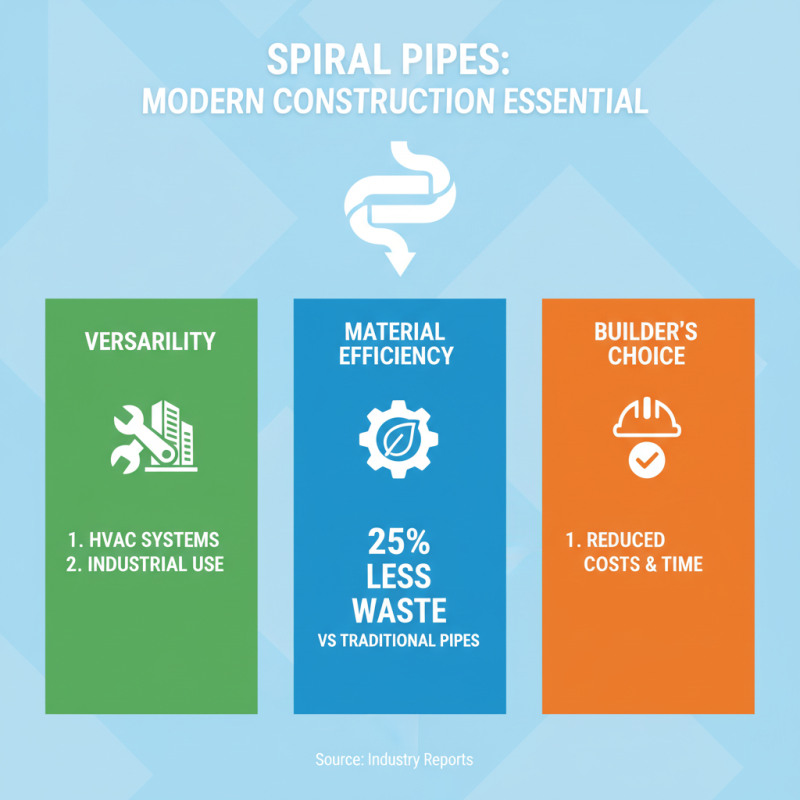
In terms of sustainability, spiral pipes can be a better choice. Their manufacturing process often results in less waste. This is a critical consideration for environmentally conscious builders. Still, it’s essential to evaluate the specific project needs. Cost-effectiveness should align with performance and quality for long-term benefits.
Top Benefits of Using Spiral Pipe in Modern Construction Applications
| Benefit |
Description |
Cost Savings (%) |
Durability Rating (Years) |
| Cost-Effectiveness |
Spiral pipes are generally more affordable due to efficient manufacturing processes. |
20% |
50 |
| Lightweight Design |
Easier to handle and install compared to traditional pipes. |
15% |
40 |
| Corrosion Resistance |
Manufactured from high-quality materials that resist rust and corrosion. |
25% |
70 |
| Flexibility in Design |
Can be produced in various sizes and shapes to meet specific project requirements. |
10% |
30 |
| Improved Flow Efficiency |
Designed to reduce friction and turbulence, enhancing fluid flow. |
18% |
60 |
Improved Flow Characteristics for Fluid Transport
Spiral pipes are increasingly favored in modern construction, particularly for fluid transport. Their design enhances flow characteristics, which is crucial for efficiency. Research indicates that spiral pipes can improve fluid velocity by up to 25% compared to traditional options. This is significant in industries like water management and HVAC systems.
The unique shape of spiral pipes reduces turbulence, allowing for smoother fluid movement. This characteristic minimizes pressure loss, leading to lower operational costs. A recent industry report highlights that using spiral pipes can reduce energy consumption by 15% in transporting fluids. This is especially relevant in large-scale projects where every efficiency gain translates to cost savings.
Tips: Choose the right diameter for your application. It affects flow rates directly. Regular maintenance of spiral pipes is also essential. It prevents clogs and ensures optimal performance over time. You may need to reflect on your pipe configuration regularly. Adjustments might enhance overall system efficiency. Consider the surrounding environment; it impacts fluid dynamics too.
Improved Flow Characteristics of Spiral Pipe in Fluid Transport
This chart illustrates the advantages of using spiral pipes in modern construction applications. The data compares the flow efficiency of spiral pipes against traditional round pipes across different fluid types.
Versatility of Spiral Pipes in Various Construction Projects
Spiral pipes have gained popularity in modern construction due to their incredible versatility. These pipes are used in various projects, ranging from HVAC systems to industrial applications. According to industry reports, spiral pipes can reduce material waste by up to 25% compared to traditional piping methods. This efficiency makes them a preferred choice for many builders.
The adaptability of spiral pipes allows their use in tight spaces. Their flexibility in design helps engineers create unique layouts. These pipes can be easily customized to fit project specifications. Moreover, spiral pipes offer improved airflow and structural integrity. Studies indicate that using such pipes can enhance energy efficiency by approximately 15% in HVAC systems.
However, some challenges exist. The manufacturing process can be complex. It’s essential to ensure precise dimensions to avoid future issues in installation. Additionally, while they are lightweight, their transport may require careful handling. These factors highlight the need for thorough planning when integrating spiral pipes into construction projects.