Top 10 Advantages of Driven Steel Tubular Piles for Construction Projects?
Driven Steel Tubular Piles have become a popular choice in construction. Their unique design provides numerous advantages for various projects. This introduction sheds light on why they are favored.
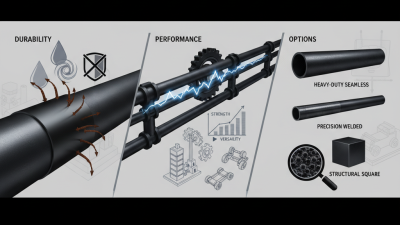
These piles offer strength and durability. Their hollow structure allows for easier installation. As a result, they can penetrate tough soil conditions smoothly. This efficiency is critical for time-sensitive projects. Engineers appreciate their versatility in different environments. They perform well in both urban and rural settings.
Despite their benefits, using Driven Steel Tubular Piles requires careful planning. Understanding soil conditions is crucial. Poor soil assessment can lead to complications. However, when executed correctly, these piles can greatly enhance a project's stability. Choosing this method often leads to long-term success.
Benefits of Driven Steel Tubular Piles in Foundation Support
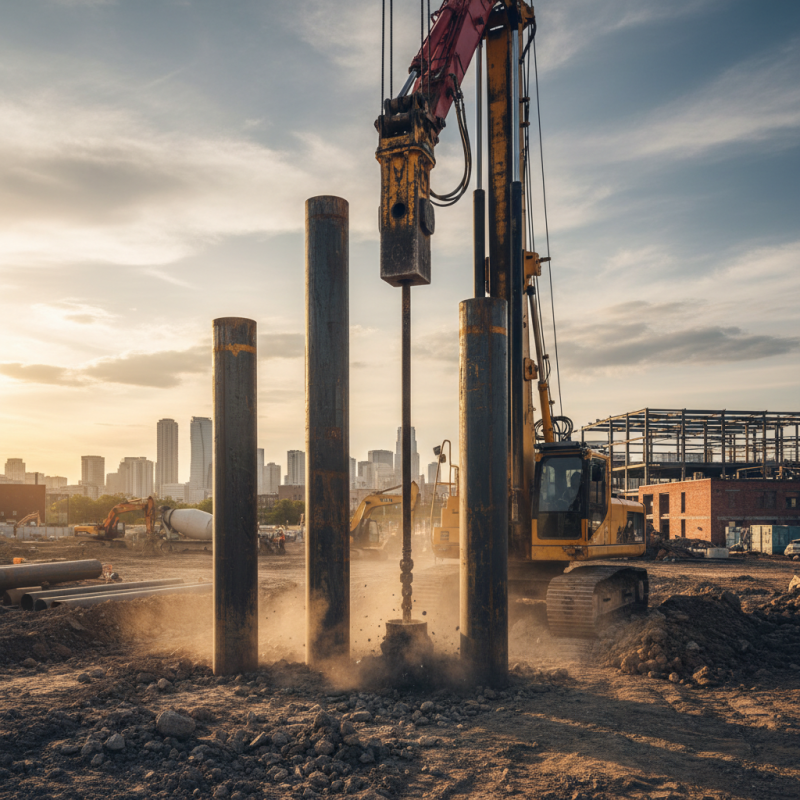
Driven steel tubular piles offer numerous benefits for foundation support in construction projects. One key advantage is their ability to provide high load-bearing capacity. These piles can withstand significant forces, making them ideal for heavy structures. Their deep penetration into the ground ensures stability, even in challenging soil conditions.
Another important benefit is their resistance to corrosion. Steel tubular piles can be designed with protective coatings, prolonging their lifespan. This durability reduces maintenance costs over time. Additionally, installation is often quicker than other foundation types. This efficiency can lead to faster project timelines.
Tips: When selecting piles, consider soil conditions. A thorough geotechnical survey can guide your choice. Be aware of local regulations regarding installation depths and materials. Remember, a well-planned foundation can prevent costly issues later. Always assess the long-term effects of your choices. Making informed decisions upfront is crucial in construction.
Top 10 Advantages of Driven Steel Tubular Piles for Construction Projects
| Advantage |
Description |
| High Load Capacity |
Steel tubular piles can support heavy loads, making them ideal for large structures. |
| Durability |
They resist corrosion and offer a long lifespan, reducing replacement costs. |
| Speed of Installation |
Driven piles can be installed rapidly, speeding up the construction timeline. |
| Reduced Soil Disturbance |
Installation method minimizes soil disturbance, preserving site integrity. |
| Versatility |
Suitable for various soil types, adapting to different project requirements. |
| Minimal Maintenance |
Require little to no maintenance throughout their life cycle. |
| Cost-Effective |
Lower long-term costs due to durability and minimal maintenance. |
| Eco-Friendly Options |
Recyclable materials contribute to sustainable construction practices. |
| Enhanced Resistance to Settlement |
Lower settlement risk compared to traditional concrete piles. |
Enhanced Load-Bearing Capacity of Driven Steel Tubular Piles
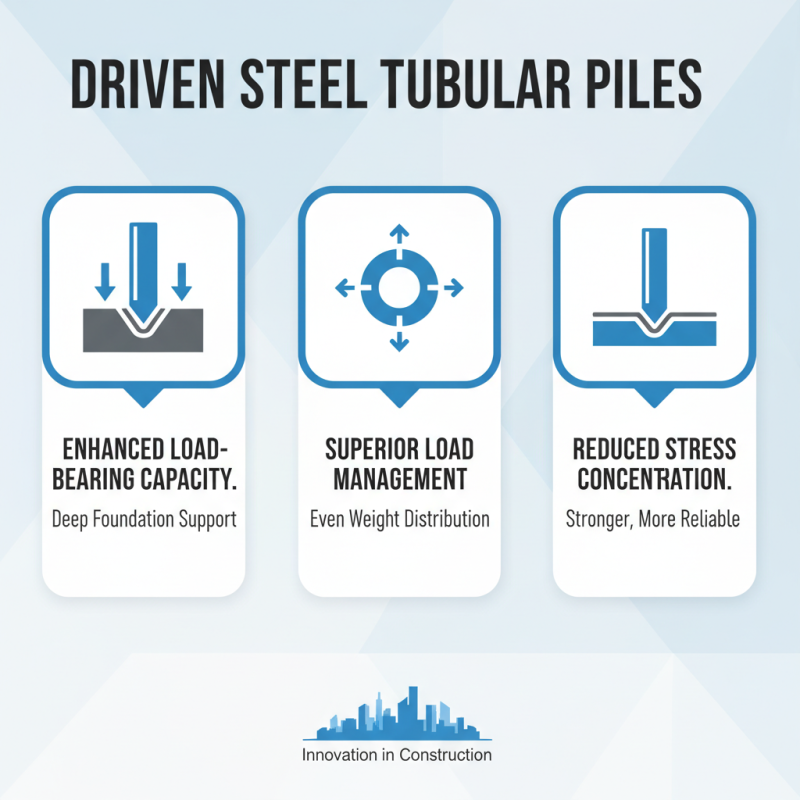
Driven steel tubular piles offer significant benefits in construction projects, particularly through their enhanced load-bearing capacity. These piles are hollow steel tubes that can be driven deep into the ground, creating a solid foundation. Their shape and material contribute to superior load management compared to traditional piles. The cylindrical design distributes weight evenly, reducing stress concentration in the soil.
Construction sites often present challenges, such as uneven terrain and varying soil conditions. Driven steel tubular piles adapt well to these situations. They can support heavy structures like bridges and skyscrapers. However, the installation demands precision and careful planning. Miscalculations can lead to inadequate support. It's essential to assess soil conditions thoroughly before selecting this method.
Another aspect worth considering is the environmental impact. The process of driving these piles can cause vibrations. While effective, it may not be suitable for every project, especially near sensitive structures. Balancing load-bearing capacity and environmental concerns is crucial. Construction teams should be prepared to address these complexities for optimal results.
Corrosion Resistance of Driven Steel Tubular Piles in Various Environments
Driven steel tubular piles are increasingly chosen for their exceptional corrosion resistance. In harsh environments, this feature is vital. For instance, marine and industrial sites often expose materials to aggressive conditions. According to a study from the American Society of Civil Engineers, driven steel piles can withstand significant corrosion, maintaining structural integrity for over 50 years with proper design.
In coastal regions, saltwater can trigger rapid deterioration of many materials. However, driven steel tubular piles utilize protective coatings and galvanization techniques. These methods prolong their lifecycle. Research indicates that galvanized steel can reduce corrosion rates by up to 90% in seawater. This longevity leads to lower maintenance costs and enhances project sustainability.
Even with these advantages, some challenges remain. Steel piles can still corrode under certain conditions. Areas with low oxygen might lead to pitting corrosion, affecting performance. Engineers must evaluate local environments to choose the best protective measures. Awareness of these potential pitfalls ensures that projects using steel tubular piles are successful in the long term.
Top 10 Advantages of Driven Steel Tubular Piles
Cost-Effectiveness and Time Efficiency of Installation Process
Driven steel tubular piles have gained popularity in construction projects. Their cost-effectiveness and time efficiency are notable benefits. According to a 2021 industry report, these piles can reduce installation costs by up to 30% compared to traditional methods. This cost reduction stems from efficient use of materials and labor.
The installation process for driven piles is swift. On average, crews can install several piles per day, compared to fewer with conventional foundations. A study indicated that projects using driven piles saw a decrease in overall timeline by up to 25%. This accelerated schedule can significantly impact project budgets and resource allocation.
However, challenges remain. Site conditions can affect the efficiency of installation. A rocky or densely populated area may slow down progress. Ensuring proper planning and site assessment is crucial. Relying on assumptions without thorough examination can lead to setbacks. Balancing time efficiency with careful consideration of site specifics is vital for optimal outcomes.
Environmental Impact and Sustainability of Driven Steel Tubular Piles
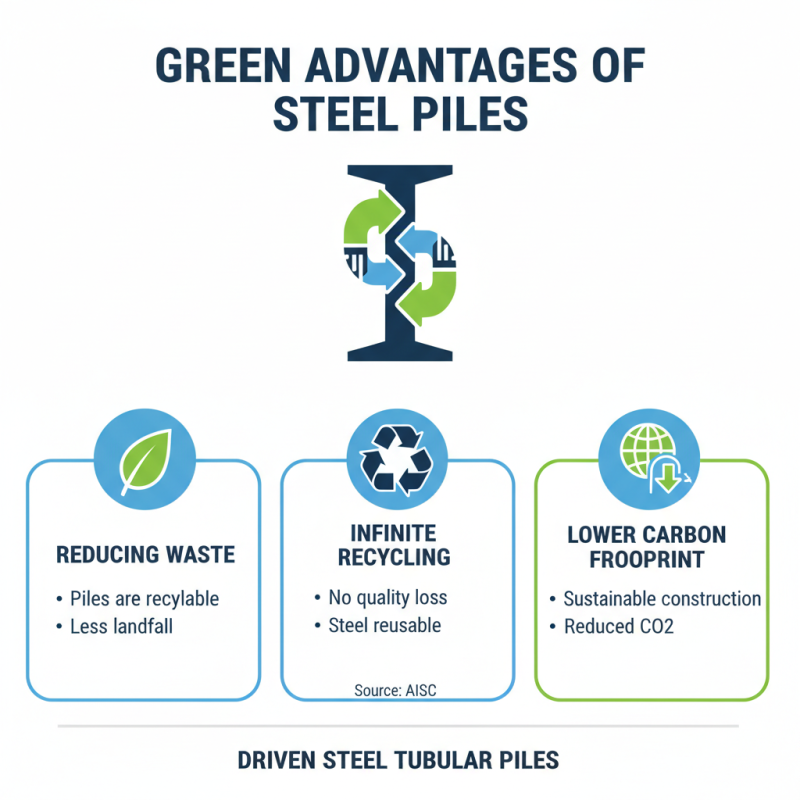
Driven steel tubular piles offer notable environmental advantages. These piles are recyclable, reducing landfill waste. According to data from the American Institute of Steel Construction, steel can be recycled indefinitely without loss of quality. This means construction projects that use steel piles can significantly lower their carbon footprint.
Construction projects face scrutiny over sustainability. Driven steel tubular piles require fewer materials and less energy than traditional options. Their efficient design minimizes disruption to surrounding ecosystems. A report from the International Energy Agency highlights that steel production has improved energy efficiency by 30% in the last decade. Still, the industry must continue finding ways to lower emissions.
**Tip:** Consider the life cycle of materials. Investing in sustainable solutions now can yield long-term benefits. Engage with experts to evaluate your project's specific environmental impact.
Using driven steel tubular piles can also lead to faster project completion. However, not every site is ideal for these piles. Soil conditions and project requirements must be assessed carefully. An unsuitable foundation can weaken the structure, leading to costly repairs and delays.
**Tip:** Always conduct thorough site investigations. Understand the unique challenges of each location to ensure the effectiveness of your chosen materials.